
Turkey Is Building the Military Network Iran Could Never Assemble
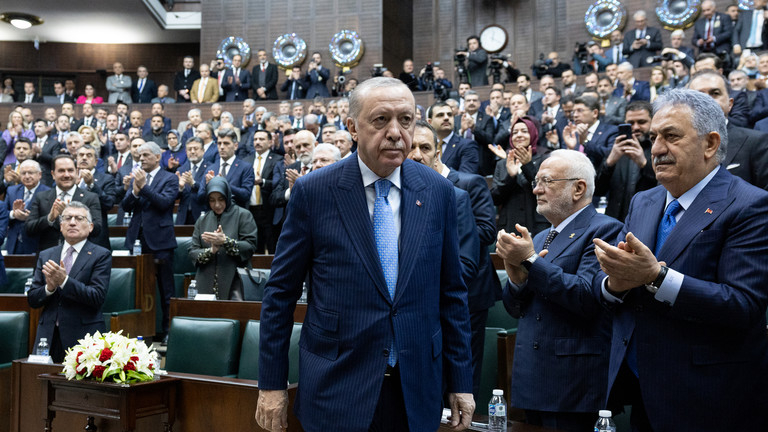
This analysis examines Turkey’s ambitious regional military strategy as demonstrated at the EFES-2026 exercise. By hosting troops from across North Africa and the Levant—including previously fractured Libyan factions and Syria’s newly reconstituted army—Ankara is moving beyond the proxy-based influence models of the past. We explore how Turkey is leveraging its institutional legitimacy and NATO status to formalize a durable military network, effectively creating a new strategic reality in the Middle East that challenges Israeli security planning and reshapes the regional balance of power.
Trump’s Iran Deal Could Be Netanyahu’s Political Undoing
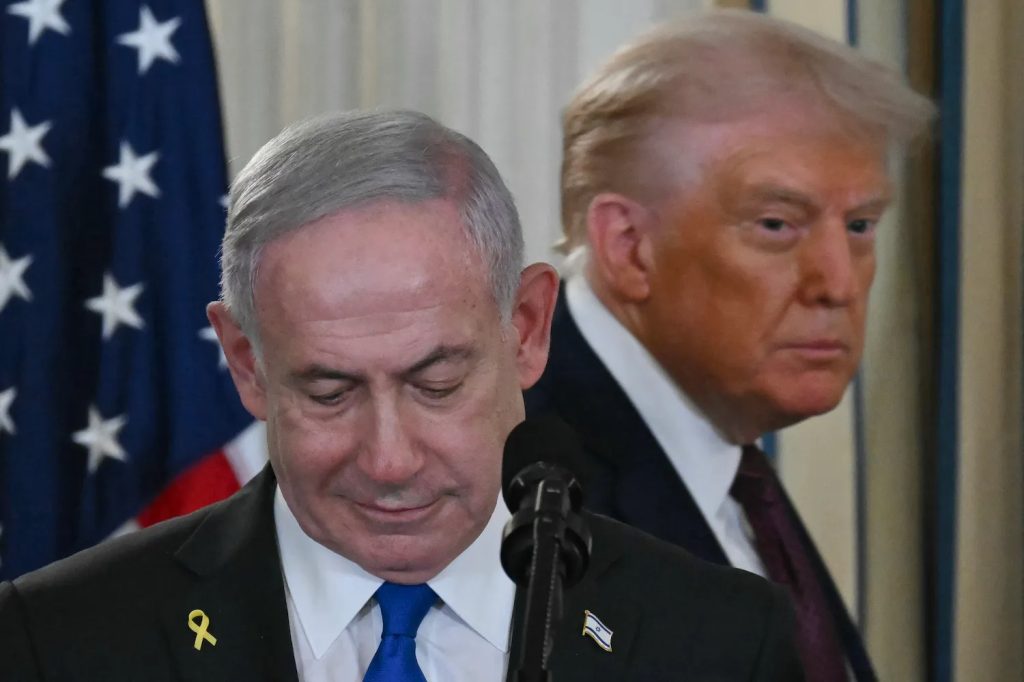
This analysis explores the intensifying friction between Washington and Jerusalem as the U.S. moves toward a formal memorandum of understanding with Iran. We examine how Donald Trump’s leverage over Israeli policy is forcing Benjamin Netanyahu into a corner, stripping him of his traditional influence over regional security strategy. By detailing the failure of Israel’s military objectives in Lebanon and the domestic political fallout of a U.S.-led diplomatic shift, we assess the mounting threat to Netanyahu’s coalition ahead of the upcoming October elections.
Syria’s New Army Is Built on Fault Lines, Not Foundations
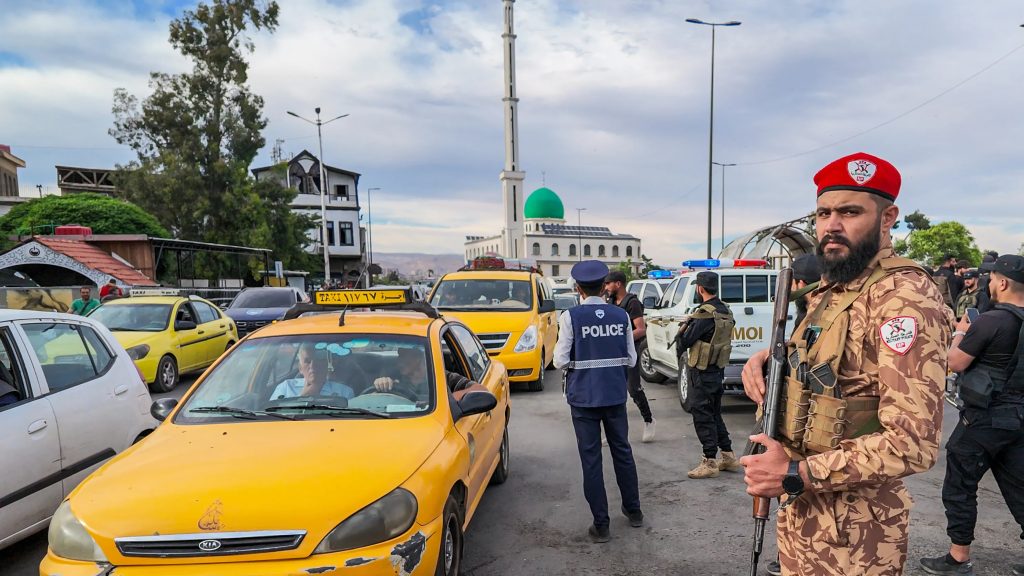
This analysis examines the structural challenges facing Syria’s post-2024 military integration. Rather than establishing a centralized national institution, the transitional authorities in Damascus have incorporated wartime factions intact, effectively codifying local patronage networks and kinship-based command structures. We explore how this “federation of armed communities” mirrors the failures of past post-conflict settlements in Lebanon and Iraq, raising serious questions about the long-term viability of the new Syrian state and its ability to exert genuine central control.
Israel’s Lebanon Offensive Is Killing the US-Iran Peace Deal

This analysis examines the current collapse of diplomatic efforts between Washington and Tehran as of June 2, 2026. Following Israel’s intensified military operations in Lebanon—which Iran views as a breach of the ceasefire—Tehran has suspended indirect communications. We explore the implications of this breakdown for the Strait of Hormuz, the status of the proposed memorandum of understanding, and the escalating risks of a return to full-scale regional conflict.
Iran Is Not Trying to End This War — It Is Trying to Win the Peace
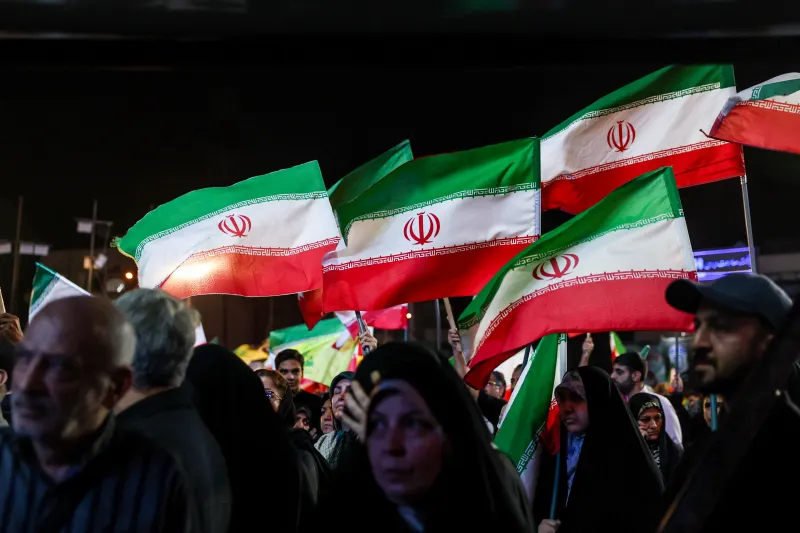
This analysis explores Iran’s strategic shift from a policy of survival to one of active conflict management. By examining the consolidation of hard-line domestic power, the effective weaponization of global energy markets through the closure of the Strait of Hormuz, and the cynical use of negotiations as a tactical delay, we assess how Tehran is positioning itself as a dominant pole in a new, multipolar regional order—regardless of the devastating domestic economic costs.
Ukraine’s Grinding War Is Slowly Turning Against Russia
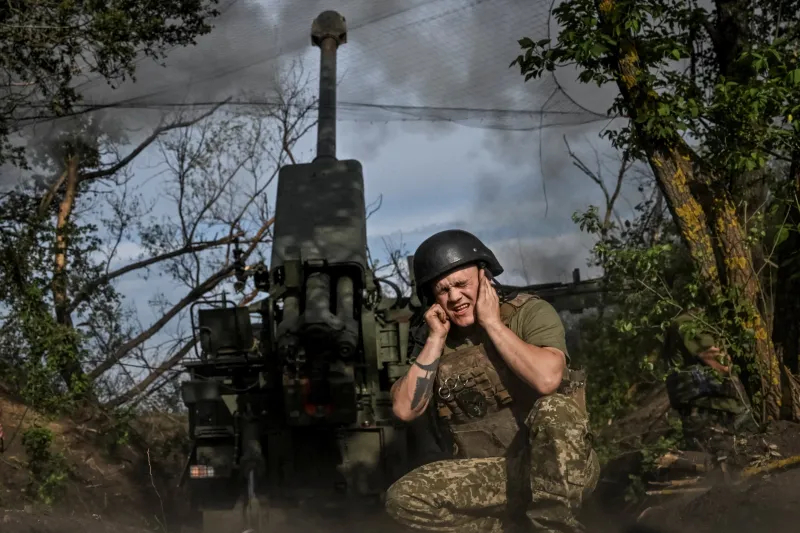
As of June 1, 2026, the war in Ukraine is characterized by intensified aerial bombardment and long-range drone strikes, deepening the cycle of destruction. With diplomatic efforts stalled and both Moscow and Kyiv prioritizing battlefield gains over concessions, the conflict has settled into a high-intensity stalemate. This report examines the current military landscape, the impact of mid-range strike campaigns on logistics, and the growing divide between U.S.-led pressure for a swift resolution and the European commitment to a sustained, deterrence-based approach to Russian aggression.
Trump Is Trading Myanmar’s Democracy for Rare Earth Minerals
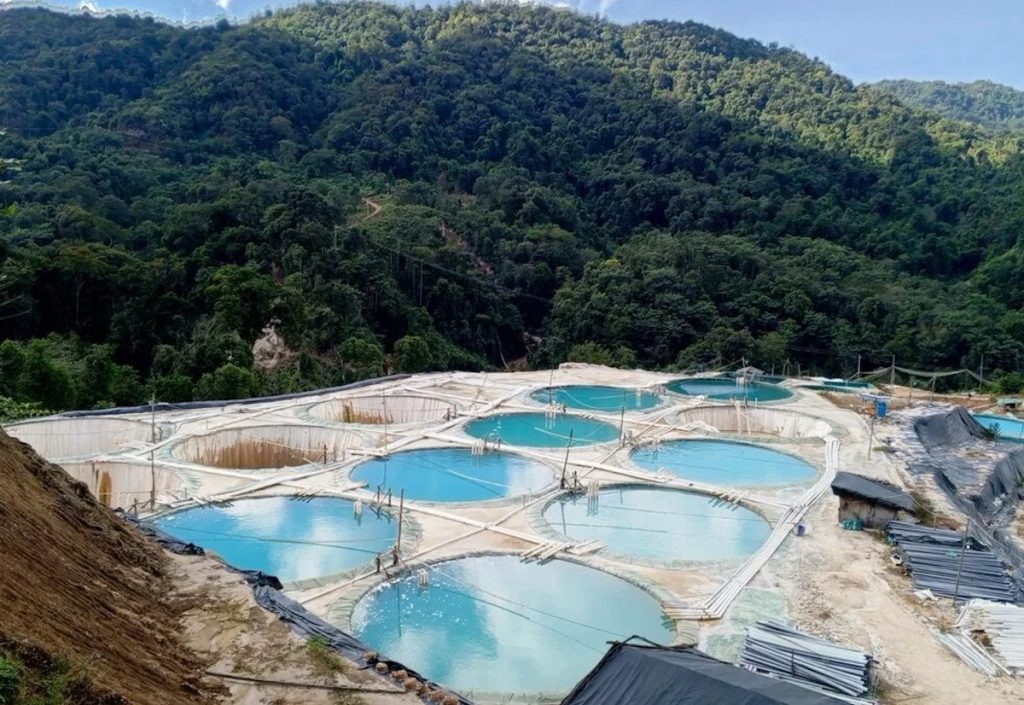
This article investigates the Trump administration’s dramatic shift in Myanmar policy, pivoting from decades of democracy promotion to a transactional pursuit of rare earth minerals. By analyzing the gutting of humanitarian programs, the entry of unconventional political lobbyists, and the logistical challenges of supply chains controlled by China-backed groups, we assess how this prioritization of strategic resources threatens long-term U.S. regional influence and democratic values.
Russia’s Post-Soviet Grip Is Fracturing — but Not Collapsing
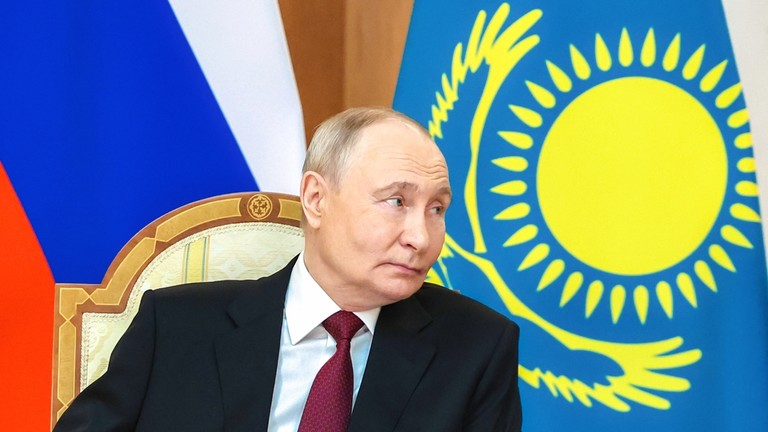
The parliamentary elections scheduled for June 7, 2026, represent a critical turning point for Armenia’s political and strategic landscape. As the country navigates complex security challenges and fragile peace negotiations with Azerbaijan, these elections serve as a de facto referendum on Prime Minister Nikol Pashinyan’s agenda and Armenia’s future orientation. This report examines the intense domestic polarization, the ongoing tensions in relations with Moscow, and the broader implications of this vote for Armenia’s path toward European integration and regional stability in the South Caucasus.
How Israel’s Veto Power Is Undermining US-Iran Diplomacy
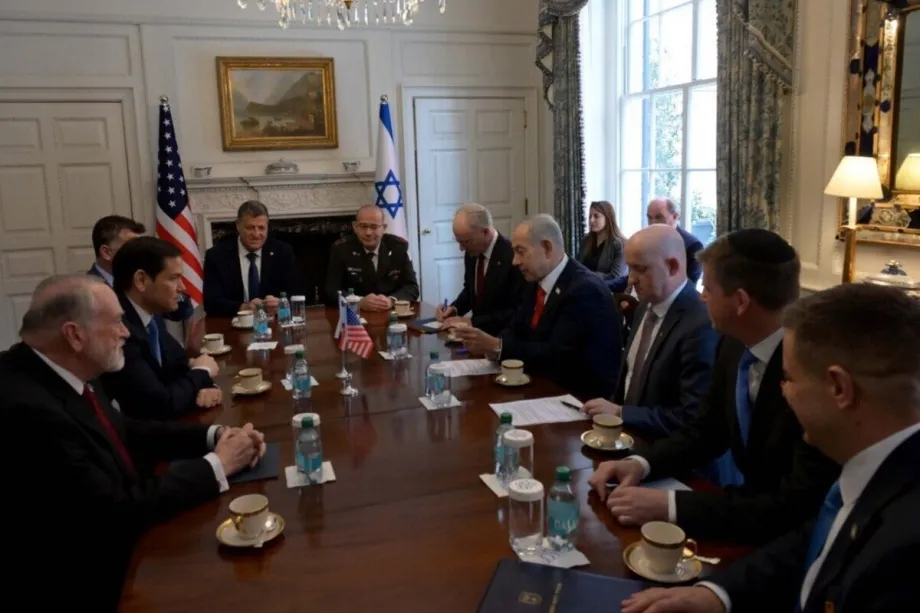
This analysis examines the current collapse of diplomatic efforts between Washington and Tehran as of June 1, 2026. Following Israel’s intensified military operations in Lebanon—which Iran views as a breach of the ceasefire—Tehran has suspended indirect communications. We explore the implications of this breakdown for the Strait of Hormuz, the status of the proposed memorandum of understanding, and the escalating risks of a return to full-scale regional conflict.
EU’s Chinese Tech Purge Is Costly, Contradictory, and Politically Driven
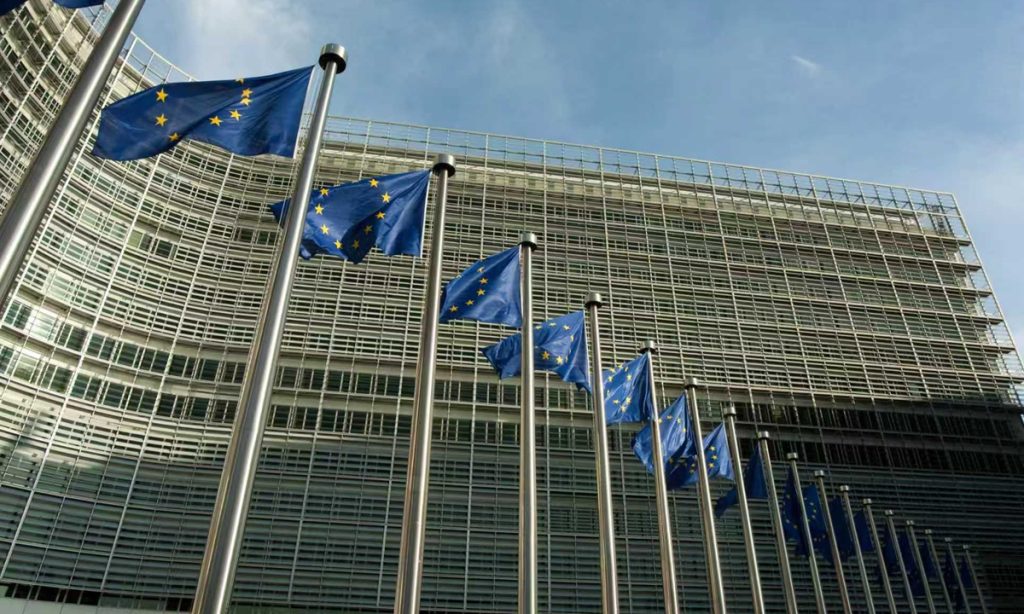
This analysis evaluates the European Commission’s 2026 Cybersecurity Act revisions, which aim to exclude high-risk third-country suppliers from critical networks. We explore the tension between Brussels’ pursuit of digital sovereignty and the economic realities of replacing deeply embedded Chinese technology. By questioning the shift toward origin-based blacklisting rather than universal security auditing, we assess the potential for retaliatory trade measures and long-term instability in EU-China relations.
Will the New US and Iran Peace Deal Mirror the JCPOA
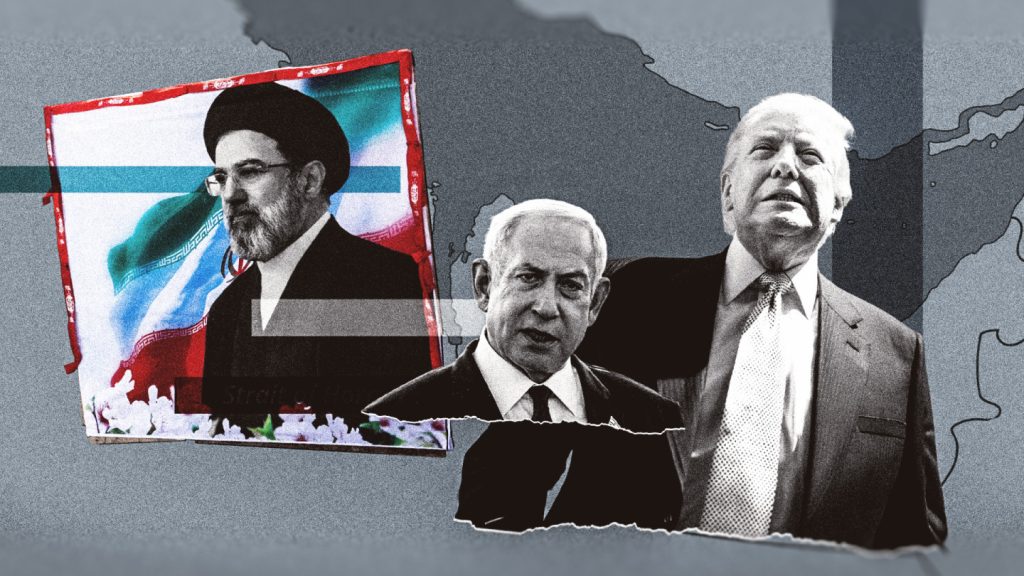
This analysis examines the structural differences between the potential 2026 US-Iran agreement and the 2015 JCPOA. While both address nuclear concerns, the current negotiations are primarily driven by the urgent need to stabilize the Strait of Hormuz and resolve active military hostilities. We explore how this bilateral, crisis-led approach differs from the original multilateral framework and the challenges to achieving a lasting settlement.
UAE’s Facade of Neutrality Crumbles in US-Iran War
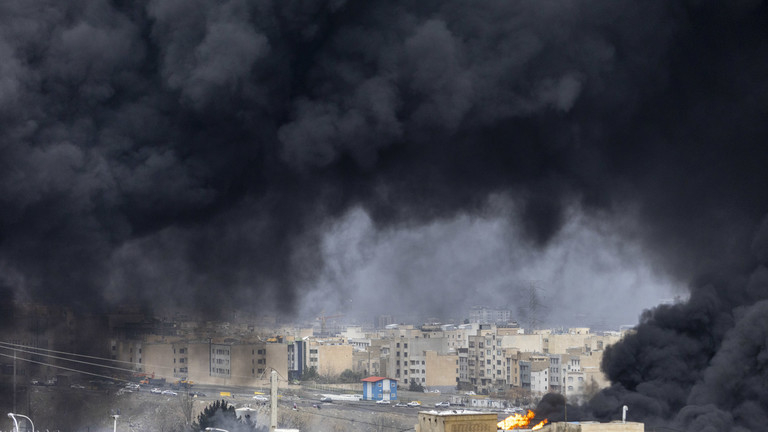
This analysis examines the erosion of the United Arab Emirates’ neutrality during the 2026 US-Iran conflict. By detailing the UAE’s secret military participation, integration into regional air defense networks, and the subsequent economic and security vulnerabilities created by these choices, we explore how Abu Dhabi has moved from a regional arbiter to a direct, and exposed, participant in the ongoing regional war.