Category: Persian Gulf Countries

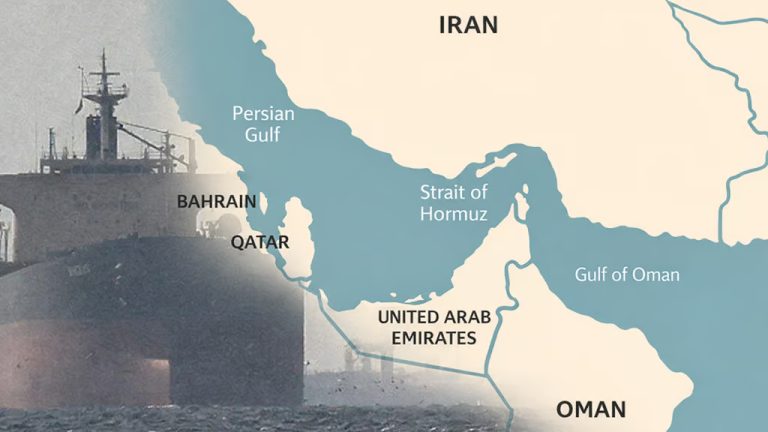
A geographical map of the Persian Gulf and Strait of Hormuz overlaid with a cargo ship.

The Ceasefire Is Signed, the Economic War Has Just Begun

The 2026 Iran War has triggered the largest energy supply disruption in history, dwarfing the shocks of 1973 and 1979. While the kinetic exchange has paused, the Strait of Hormuz remains commercially unusable due to a “Tehran Toll” system and a collapse in maritime insurance. With damage to Qatar’s LNG facilities projected to take years to repair, the global economy faces a structural “war premium” that threatens to push major economies into recession and force central banks to keep interest rates elevated through 2026.

Read More »
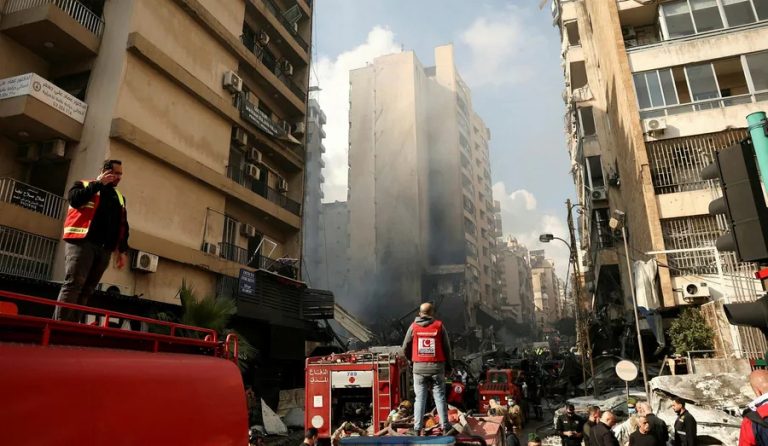
A street in Lebanon showing the aftermath of a military strike with smoke rising from damaged buildings and emergency responders on site.

Netanyahu’s Lebanon Gamble Is Threatening the Entire Ceasefire

The fragile US-Iran ceasefire faces an immediate collapse following Israel’s massive air campaign in Lebanon. While President Trump has urged Netanyahu to be “low-key” to save the Iran talks, the fundamental clash remains: Israel demands Hezbollah’s disarmament without a ceasefire, while Lebanon and Tehran insist on a total halt to hostilities as a precondition for any direct negotiations.

Read More »
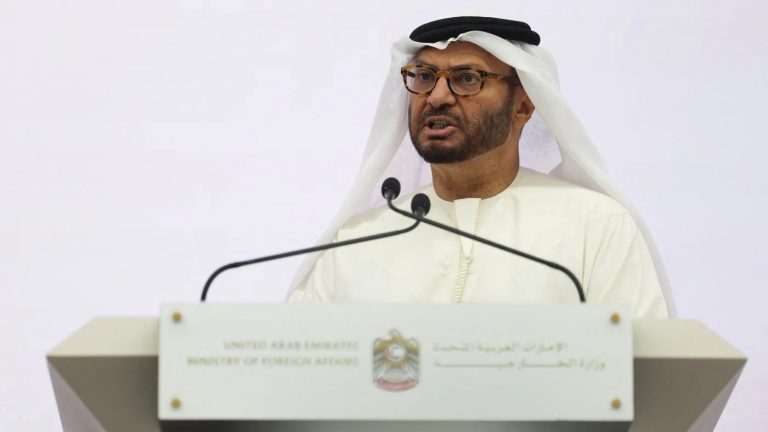
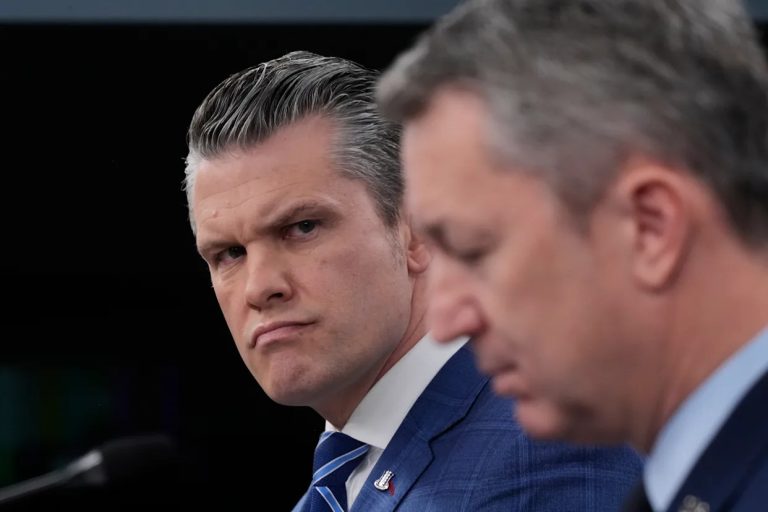
A close-up of a serious-looking official in a blue suit during a formal meeting.

The Ceasefire Came — The Economic Pain Hasn’t

While oil prices dipped following the April 7 ceasefire, the global economy remains in a “stagflation” trap. With the Strait of Hormuz facing a two-month recovery period and critical infrastructure like Qatar’s Ras Laffan taking years to rebuild, the 40-day conflict has left a permanent scar on energy markets, agriculture, and household budgets that a simple truce cannot erase.

Read More »
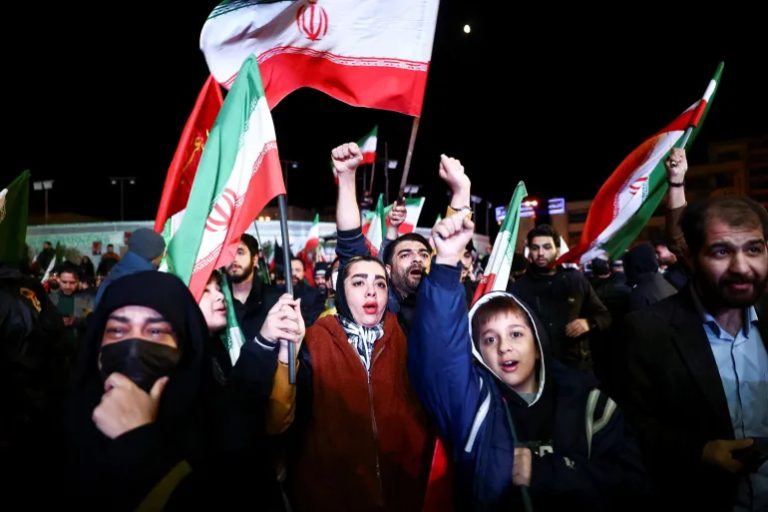
A crowd of people, including women and children, waving Iranian flags during a nighttime demonstration.

The US-Iran Ceasefire: A Pause in the War, Not the End of It

A Pakistan-brokered ceasefire has pulled the Middle East back from the brink, suspending 40 days of US-Israeli strikes on Iran. While global markets reacted with relief and oil prices slid to $103, the 14-day truce remains fragile. Major hurdles persist in Islamabad negotiations, including Iran’s 10-point plan, the status of US regional bases, and the unresolved conflict in Lebanon.

Read More »
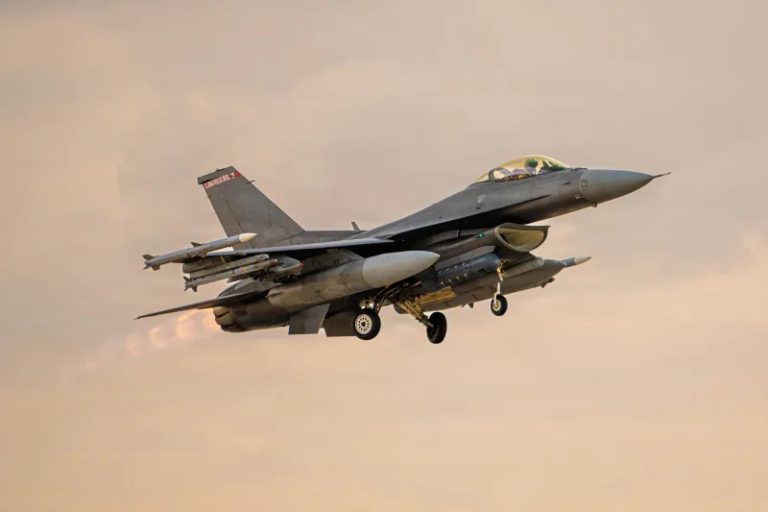
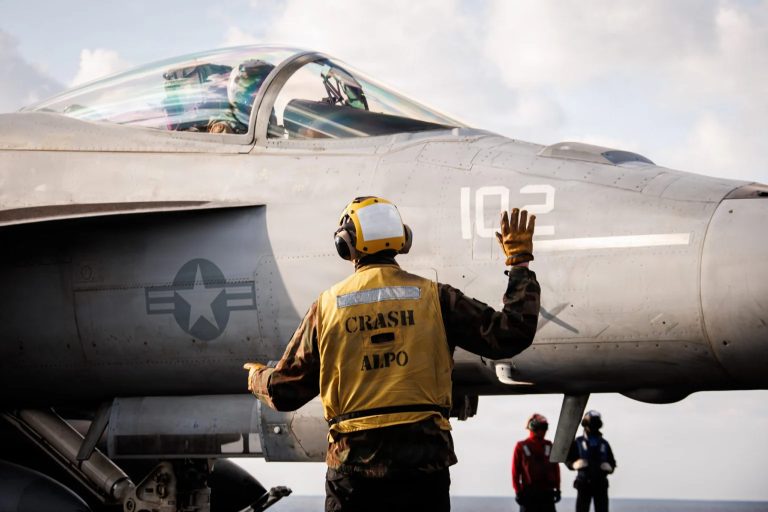
A deck crew member in a yellow safety vest signaling to a fighter jet pilot on an aircraft carrier.

Striking Iran’s Grid Won’t Win the War, It’ll Expand It

The strategic calculus in the Persian Gulf has shifted from a “nuclear denial” mission to a high-stakes “infrastructure ultimatum.” With President Trump’s 8:00 PM ET deadline only hours away, the threat to “decimate” Iran’s power plants and bridges carries risks of regional contagion that far outweigh the intended military benefits.

Read More »
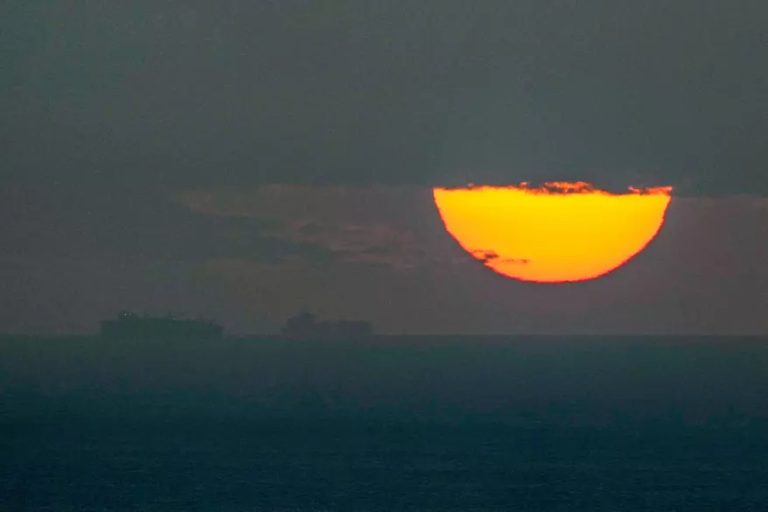
Silhouette of a large cargo ship on the ocean at sunset with a massive orange sun partially covered by clouds.

Iran’s Strait of Hormuz Gambit Is Working

The world is currently 10 hours away from what President Trump has called a “final, final” deadline for Iran to reopen the Strait of Hormuz. The “Hormuz Gambit” has not only held, it has escalated into a global economic hostage crisis that the 40-nation coalition is struggling to break.

Read More »
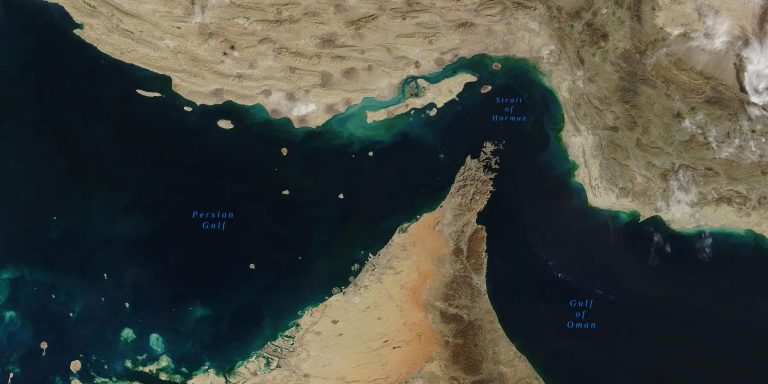
Satellite view of the Strait of Hormuz, Persian Gulf, and Gulf of Oman.

Iran’s Masterplan for the Strait of Hormuz

The shift in the Strait of Hormuz from a traditional military chokepoint to a formalized “Sovereign Toll Zone” represents the most significant change in maritime law since the 1982 UNCLOS. Tehran is moving to institutionalize what was once a temporary blockade into a permanent economic engine designed to bypass Western sanctions forever.

Read More »
A conceptual image showing the USA and Iran flags separated by a deep, fiery crack in a stone surface.

Gulf States Face a Strategic Reckoning After Iran War

One month into the war, the Gulf Cooperation Council (GCC) states are navigating what has been described as a “Zeitenwende moment”—a systemic shift that is dismantling the decades-old security and economic models of the region. As of April 1, 2026, the conflict has evolved from a targeted strike into a regional emergency that has exposed the fragility of the Gulf’s “oases of stability” narrative.

Read More »
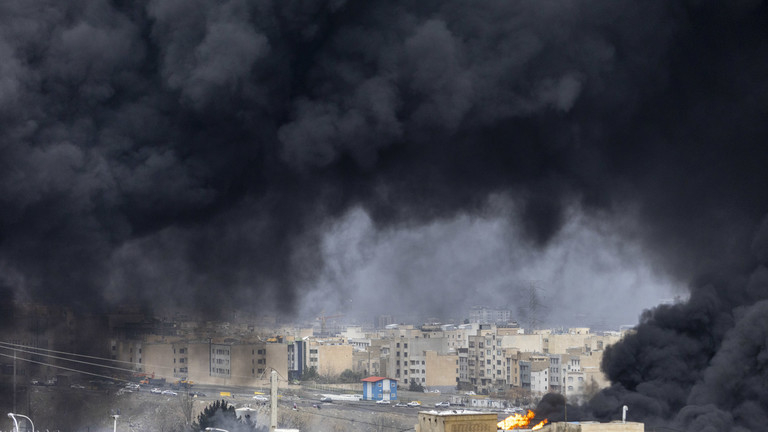
Large plumes of dark gray smoke rising behind urban apartment buildings under an overcast sky.

Who Wins and Loses From the Iran Energy Shock

The Iran energy shock of 2026 has fundamentally rewritten the rules of global petropolitics. As Brent crude prices surged, the traditional “oil winner” manual was discarded; for the first time, major producers in the Gulf found themselves economically paralyzed by their own geographic leverage.

Read More »
Three miniature green oil barrels placed in front of a map focusing on the Strait of Hormuz.

Oil Markets Are Pricing In Disaster and Traders Are Betting on It

The derivatives market is signaling a potential global energy catastrophe, with bets on $150-a-barrel Brent crude increasing tenfold since the start of the conflict. As the blockade of the Strait of Hormuz traps one-fifth of the world’s oil supply, traders are aggressively hedging against extreme price spikes, betting that a return to pre-war stability is increasingly unlikely.

Read More »