Category: Video

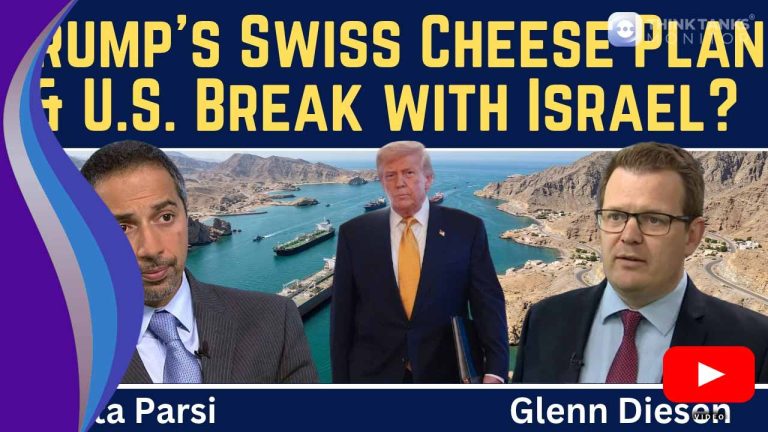
Trita Parsi: Trump’s Swiss Cheese Iran Plan & U.S. Break with Israel?

Analysis: In this analytical interview with Glenn Diesen, Quincy Institute EVP Trita Parsi argues that Washington’s reluctance to absorb the political costs of either renewed war or a formal diplomatic deal with Tehran may push Trump toward a “Swiss cheese” strategy of gradually relaxing blockade and sanctions enforcement. He explains that a prolonged, unenforced standoff accelerates the collapse of the US-led Gulf security umbrella, prompting Saudi Arabia and regional states to hedge toward China and Russia. Parsi also notes that rising bipartisan opposition to AIPAC in the newly elected Congress signals a structural normalization of US-Israel ties.
Read More »

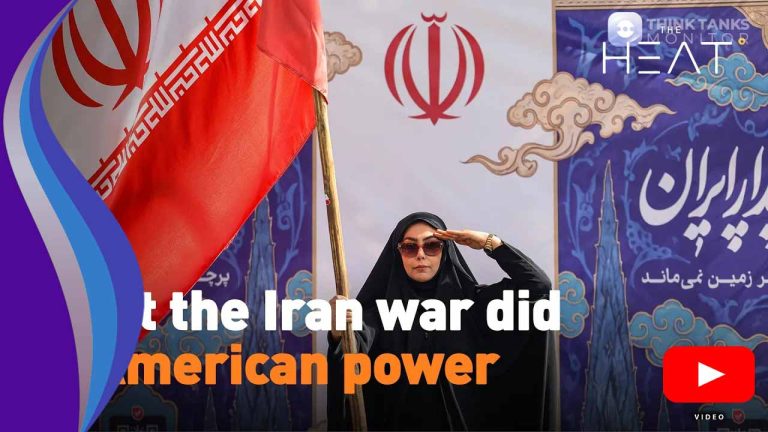
Trita Parsi on what the Iran war did to American power

Analysis: In this CGTN America interview, Parsi contends that Iran inflicted a strategic defeat on both the United States and Israel by rendering regional U.S. bases inoperable and exhausting American interceptor stockpiles within 40 days. The core takeaway is that Washington’s security umbrella has lost credibility, compelling Gulf states toward accommodation with Tehran while fueling bipartisan U.S. skepticism toward Israel’s influence over American foreign policy. This marks a pivotal shift away from U.S. unipolar dominance toward a multipolar regional order led by emerging middle powers.

Read More »

Israel’s Elections and the Future of the Middle East

Analysis: Moderated by Mona Yacoubian with Amb. Michael Ratney, Dr. Paul Salem, and Celine Touboul, this webcast examines how Israel’s post-October 7 security doctrine and domestic political upheaval are viewed across the Levant and Gulf. The panel assesses whether a new Israeli governing coalition will alter the trajectory of conflicts in Gaza, the West Bank, Lebanon, Syria, and Iran, or entrench existing escalatory dynamics. Understanding these internal Israeli fault lines is critical for anticipating shifts in the regional security order and Washington’s Middle East posture.

Read More »

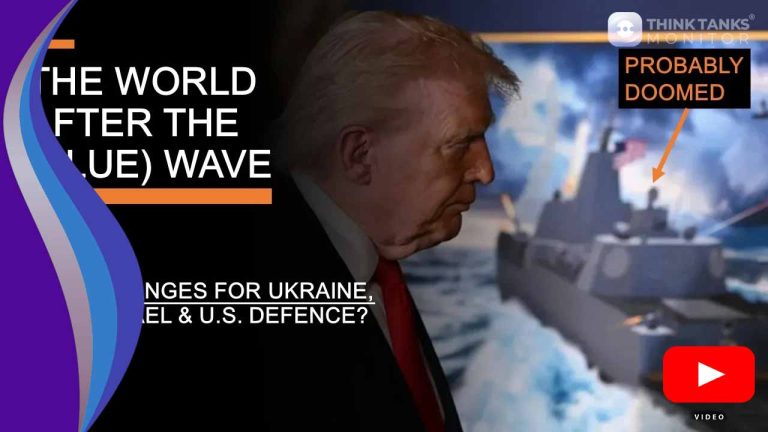
The World After the Blue Wave – What Changes for Ukraine, Iran, Israel & U.S. Defence?

Analysis: The assessment explores how a divided government and shifting congressional purse strings impose strict boundaries on Washington’s capacity to underwrite simultaneous, protracted military commitments worldwide. With defense industrial stockpiles depleted and legislative friction growing over foreign allocations, U.S. strategic posture is increasingly pressured toward prioritized burden-shifting rather than blanket global deterrence. This structural retrenchment accelerates global multipolarity, signaling to key allies and regional rivals that American defense guarantees are increasingly subject to domestic political fatigue.

Read More »

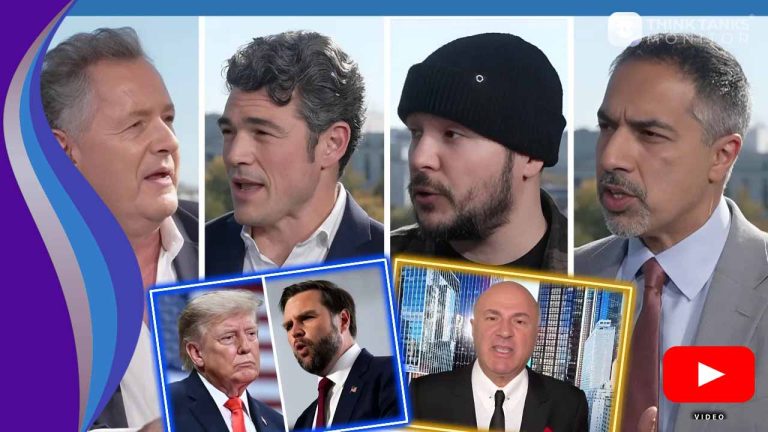
‘Get OUT of Iran!’ Trump vs JD Vance & Midterms Fallout | With Tim Pool + Trita Parsi

Analysis: Dr. Trita Parsi evaluates the structural miscalculations governing Washington’s direct confrontation in the Middle East and its destabilizing blowback on global energy lanes and domestic political cohesion. He illustrates that kinetic escalations have failed to neutralize the regional Axis of Resistance, instead exposing the operational limits of Western force projection in asymmetric theaters. This tactical impasse accelerates the erosion of Western primacy in Southwest Asia, incentivizing regional actors to hedge security architectures toward multipolar alternatives.

Read More »

Washington’s Ukraine Policy and What’s Next in the War

Analysis: This briefing interrogates the strategic tension between Washington’s incremental defense assistance framework and Moscow’s entrenched posture of economic and military mobilization. The core message emphasizes that tactical battlefield adjustments cannot compensate for the absence of an integrated, long-term political endgame accepted across NATO member states. For international analysts, this friction highlights how prolonged Western strategic exhaustion accelerates deeper industrial and technological interdependence across the Eurasian bloc, altering the global balance of power.

Read More »

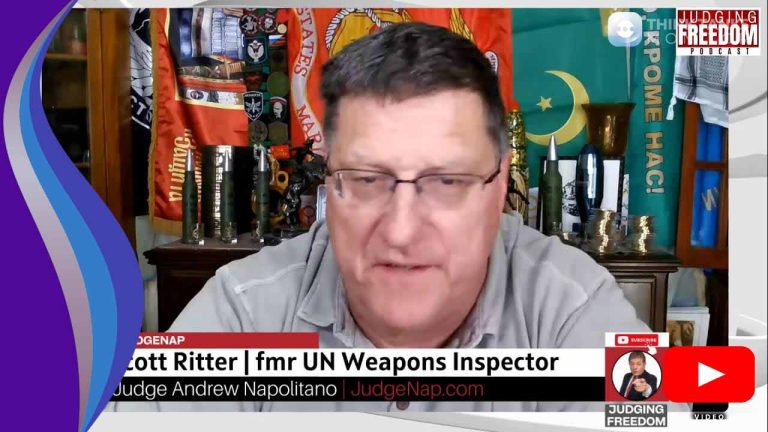
Scott Ritter : The Coming Middle East Power Vacuum

Analysis: The briefing scrutinizes the domestic political crisis paralyzing Israel’s ruling coalition following recent electoral setbacks, framing Netanyahu’s aggressive military postures as calculated attempts to preserve executive authority by perpetuating regional warfare. Strategically, the analysis demonstrates how Washington’s overextended security umbrella and failed coercive energy targeting against Iran have decisively undermined American deterrence across West Asia. This tectonic shift matters because regional powers—including Turkey, Saudi Arabia, and Pakistan—are increasingly bypassing US mediation to construct autonomous multipolar security dialogues, signaling an irreversible decline in Western dominance.

Read More »

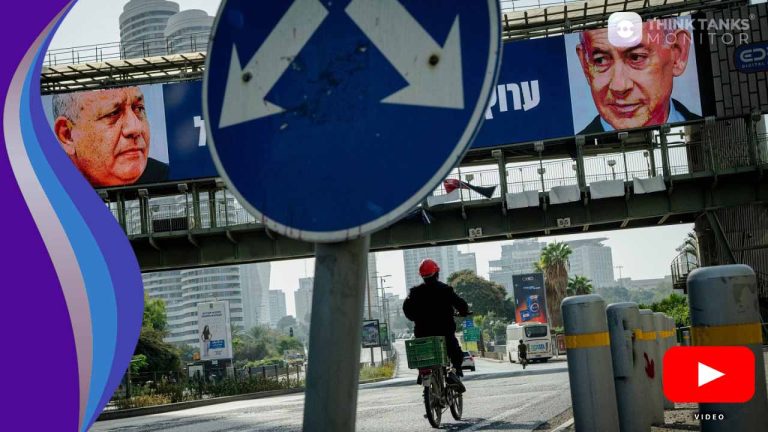
Here’s Why It May Be Hard For Israeli Opposition To Form Coalition With Arab Parties: Israel Expert

Analysis: The analysis delivers a sharp strategic evaluation of why centrist factions remain fundamentally incapable of unseating the Likud-led bloc without formal reliance on Arab-majority lists. It exposes the underlying reality that institutional defense doctrines within Tel Aviv continue to subordinate democratic governance to ethno-national security imperatives, effectively granting hardline factions permanent veto power. This systemic paralysis matters globally because an unresolvable coalition deadlock precludes any negotiated de-escalation, perpetuating an open-ended posture of regional military confrontation.

Read More »

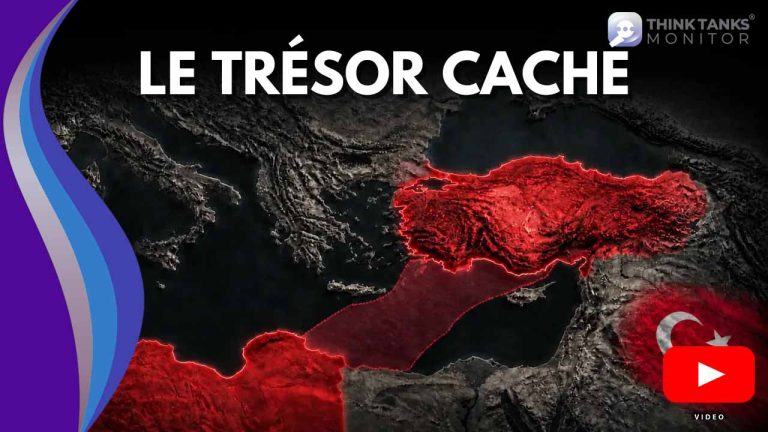
Has the gas war in the Mediterranean begun?

The briefing examines the zero-sum competition over subsea hydrocarbon deposits between Greece, Turkey, Cyprus, and North African littoral states as national energy security becomes existential. At its strategic core, the analysis illustrates how rival exclusive economic zone declarations and competing subsea pipeline alignments effectively weaponize critical energy infrastructure. These mounting friction points risk triggering maritime confrontations across vital sea lanes, confirming that resource anxieties continue to entrench hard-power geopolitical fractures along Europe’s southern perimeter.

Read More »

AI Cyber Incidents Pile Up + Anthropic’s Draft Safety Bill

Analysis: The analysis explores the dangerous intersection of autonomous frontier artificial intelligence models and state-sponsored offensive cyber warfare targeting critical national infrastructure. By assessing corporate legislative safety frameworks against real-world breach trends, the brief assesses whether self-regulatory statutory models can genuinely mitigate systemic catastrophic risks. This dynamic reinforces that artificial intelligence governance has transcended domestic tech policy to become a core theater of geostrategic competition, defensive hardening, and asymmetric dominance.

Read More »

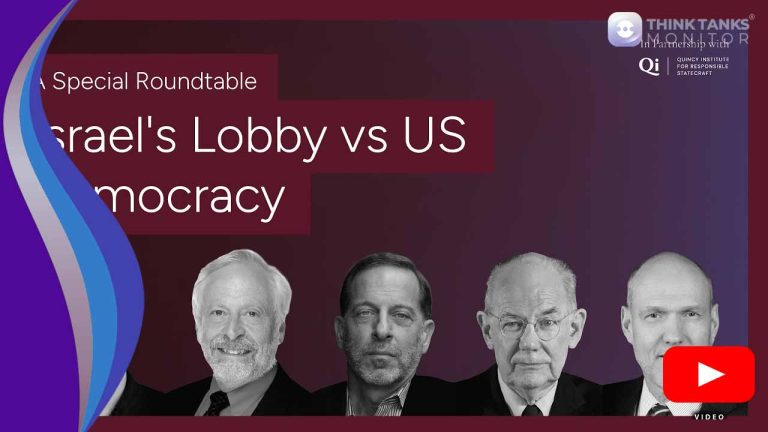
Israel’s Lobby vs US Democracy | A Special Roundtable

Analysis: Drawing on comparative analyses by John Mearsheimer, Stephen Walt, Ian Lustick, and Eli Clifton, the roundtable deconstructs how legislative mandates like Section 224 of the NDAA structurally bind the Pentagon to the Israeli military-industrial complex. The core strategic takeaway reveals an acute divergence between escalating American societal disapproval of Israeli military operations and Washington’s institutional inertia, driven by dark-money campaign finance and defense entanglements. This disconnect matters critically for grand strategy because prioritizing unconditional patronage in the Levant drains US defense resources, exacerbates regional instability, and derails Washington’s declared pivot to counter rising Eurasian multipolarity.

Read More »

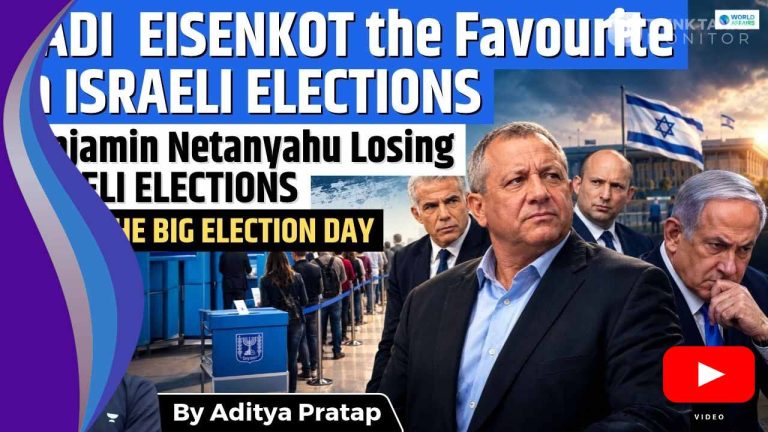
Israel Election 2026: Can Netanyahu Finally Lose Power?

Analysis: Released on October 27, 2026, by World Affairs by Unacademy, this analytical briefing examines the deep internal fissures defining Israel’s 26th Knesset election—the first national vote since the October 7 security failure. The analysis highlights how Benjamin Netanyahu’s Likud party faces unprecedented pressure over ongoing corruption trials, International Criminal Court war crimes scrutiny, public backlash against ultra-Orthodox military draft exemptions, and strong electoral challenges from former IDF Chief of Staff Gadi Eisenkot and the Naftali Bennett–Yair Lapid alliance. Regardless of which bloc reaches the 61-seat threshold, the deeply fragmented electorate signals prolonged domestic instability and contentious coalition-building in Tel Aviv.

Read More »