Category: Middle East

Donald Trump and Benjamin Netanyahu shaking hands outside a building.

The Trump-Netanyahu Alliance of Convenience

Once a cornerstone of Middle East policy, the U.S.-Israel relationship under Trump and Netanyahu has devolved into a fragile, transactional arrangement. This analysis explores how the mutual political dependence of these two leaders has prioritized short-term survival over long-term stability, putting both nations on a perilous path.

Read More »
Mark Carney and President Volodymyr Zelenskyy standing together at a diplomatic conference.

Canada’s Two-Track Foreign Policy on Crisis

Canada has long championed the international rules-based order, but its divergent responses to the conflicts in Ukraine and Gaza have sparked intense debate. By comparing its robust support for Ukraine with its more restrained approach toward Israel, critics argue that Ottawa’s foreign policy often prioritizes geopolitical alignment over universal human rights.

Read More »
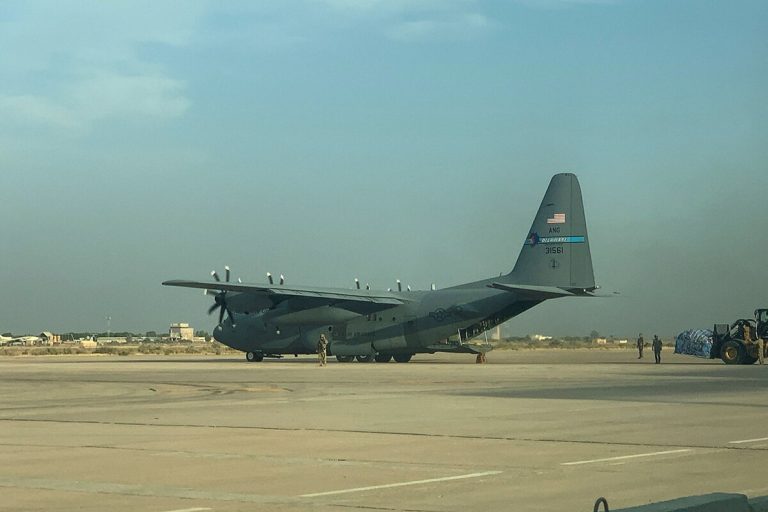
People descending the stairs of a United States government aircraft at twilight.

Private Interests Threaten US Credibility in the Middle East

As the U.S. navigates a complex conflict with Iran, growing scrutiny over the intersection of private business interests and foreign policy threatens American credibility. Critics warn that perceived conflicts of interest are eroding diplomatic trust and weakening U.S. influence among key regional allies.

Read More »
Donald Trump sits at a desk in the Oval Office flanked by two other men in suits.

Washington Is Rewriting a Deal It Already Signed

Despite the recent Islamabad MOU aimed at ending U.S.-Iran hostilities, Washington’s subsequent trilateral framework with Israel and Lebanon has sparked new tensions. By layering contradictory security commitments and intensifying regional pressure, the U.S. is navigating a precarious diplomatic path that risks unraveling months of progress.

Read More »
Diverse group of students talking and walking in a modern school hallway.

Crises Erode Critical Thinking in Israeli Schools

Despite high classroom attendance, Israeli students are falling behind in foundational literacy and numeracy. As ongoing security threats force schools to trade academic rigor for emotional processing, experts warn that this decline could erode the human capital essential for Israel’s innovation-driven economy.

Read More »
Officials in traditional Gulf Arab attire engaged in diplomatic discussions.

Iran and the Gulf Are Talking Again, But Don’t Call It Peace

Following the volatility of the 2026 war, Gulf states and Iran are seeking a new regional equilibrium. While both sides are pursuing deeper diplomatic and economic ties to hedge against the limits of external security guarantees, fundamental structural tensions—and the risk of renewed confrontation—remain.

Read More »
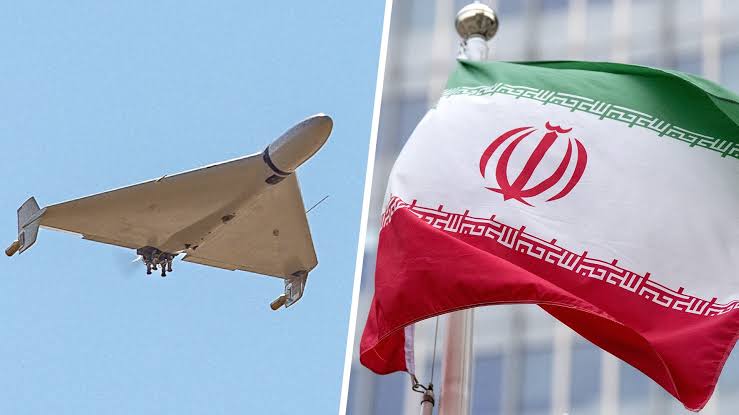
The flags of the United States and Iran waving side-by-side in the wind.

The US-Iran Peace Window Is Narrowing Fast

Following the June 17 Islamabad Memorandum, the path toward a durable peace between the US and Iran looks increasingly precarious. With deep disagreements over maritime tolls and persistent regional instability, both nations are struggling to move beyond a fragile ceasefire toward a lasting and comprehensive settlement.

Read More »
JD Vance speaking at a podium with the Vice President seal, positioned in front of a large American flag.

The GOP’s Israel Consensus Is Cracking and JD Vance Is Holding the Hammer

Vice President JD Vance is positioning himself at the forefront of a shifting Republican foreign policy, signaling a move away from unconditional support for Israel. Driven by changing base demographics and rising skepticism toward foreign entanglements, this pivot suggests the traditional bipartisan consensus on the US-Israel relationship may be permanently breaking down.

Read More »
A U.S. political figure in a blue suit engaging in a formal discussion with a Bahraini official wearing traditional white thobe and ghutra.

Bahrain and Kuwait Are Paying the Price for America’s War

The strategic bargain of hosting US military bases has fundamentally shifted. Following the recent US-Iran conflict, Gulf states find themselves bearing the human and economic brunt of regional escalation. As infrastructure lies damaged and security guarantees falter, a quiet, urgent reckoning over the future of Western military presence is underway.

Read More »
A formal meeting of Lebanese government officials seated around a large conference table with the Lebanese flag in the background.

Lebanon’s Sovereignty Gamble: A Deal That Rewards the Occupier

Despite ceremonial promises of peace, the new US-brokered agreement between Lebanon and Israel reveals a troubling framework. By conditioning Israeli withdrawal on Lebanon’s ability to disarm Hezbollah—a task the state has failed to achieve for decades—the deal may effectively cement an indefinite occupation rather than securing true independence.

Read More »