
The Iran War Is Handing Turkey a Regional Opportunity It Did Not Ask For
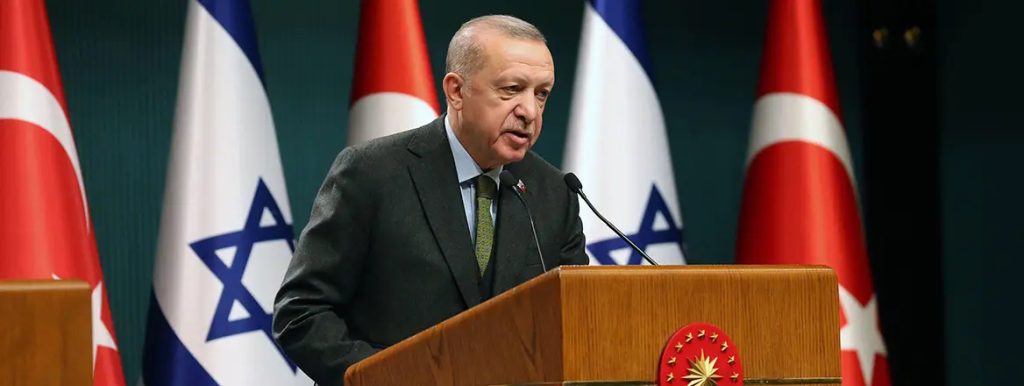
The aftermath of the US-Iran conflict has unexpectedly positioned Turkey as a central player in regional security and trade. By leveraging its growing defense industry and anchoring vital alternative trade corridors like the Iraq Development Road, Ankara is capitalizing on Gulf states’ desires for strategic autonomy. This post analyzes how Turkey’s diplomatic maneuvering and new regional alignments, including the emerging Turkey-Pakistan-Saudi-Egypt quartet, are reshaping the Middle Eastern economic and geopolitical landscape.
Americans Are Leaving and It Is Not Just About Trump

This article examines the surge in American emigration, moving beyond political narratives to analyze the structural factors driving citizens abroad. From the remote work revolution and cost-of-living arbitrage to record-level citizenship renunciations, Americans are increasingly concluding that the country’s core challenges—housing, debt, and cultural fragmentation—are no longer solvable through the traditional electoral process.
Trump’s Taiwan Arms Freeze Is a Strategic Gift to Beijing
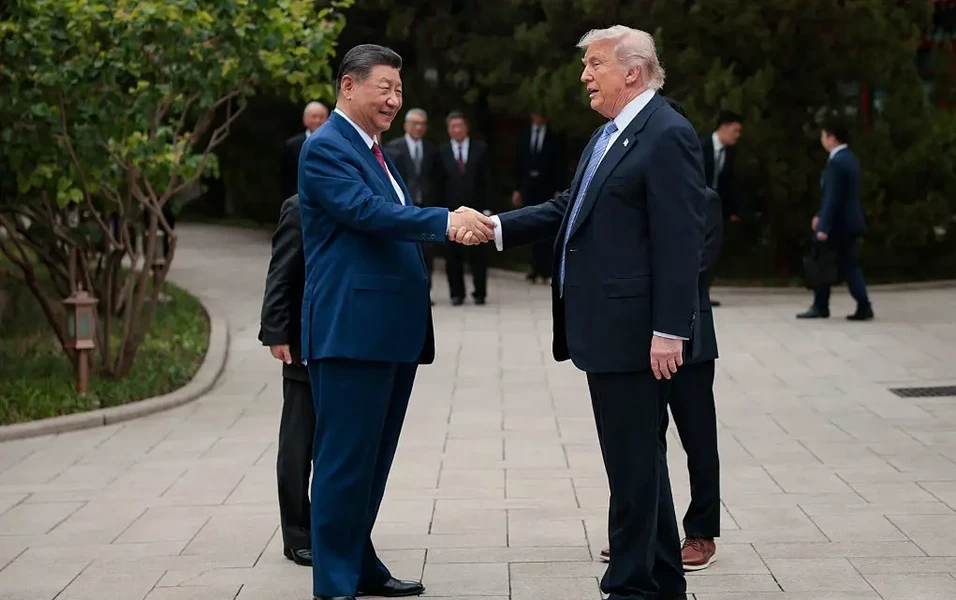
The Trump administration’s decision to pause a significant arms package to Taiwan marks a departure from four decades of bipartisan defense strategy. By conditioning military support on bilateral relations with Beijing, this move undermines the Six Assurances and raises critical questions about Washington’s long-term reliability among its Indo-Pacific treaty allies.
Trump’s Iran War Is Fracturing the Republican Party From Within
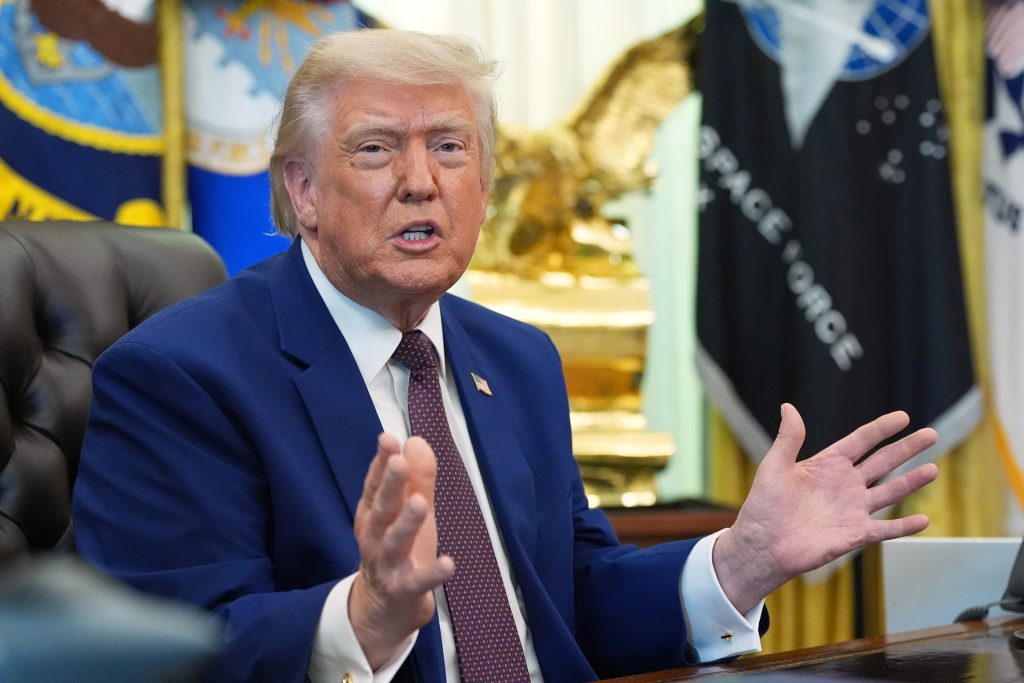
The recent 215-208 House vote to restrict President Trump’s war powers marks a significant turning point in Republican party cohesion. Driven by rising fuel costs, a stalled ceasefire, and growing electoral vulnerabilities, the conflict has become a political liability. This post explores the administration’s narrowing options amid deepening institutional opposition.
Netanyahu’s Real Goal Is Not Victory — It Is Preventing a Deal
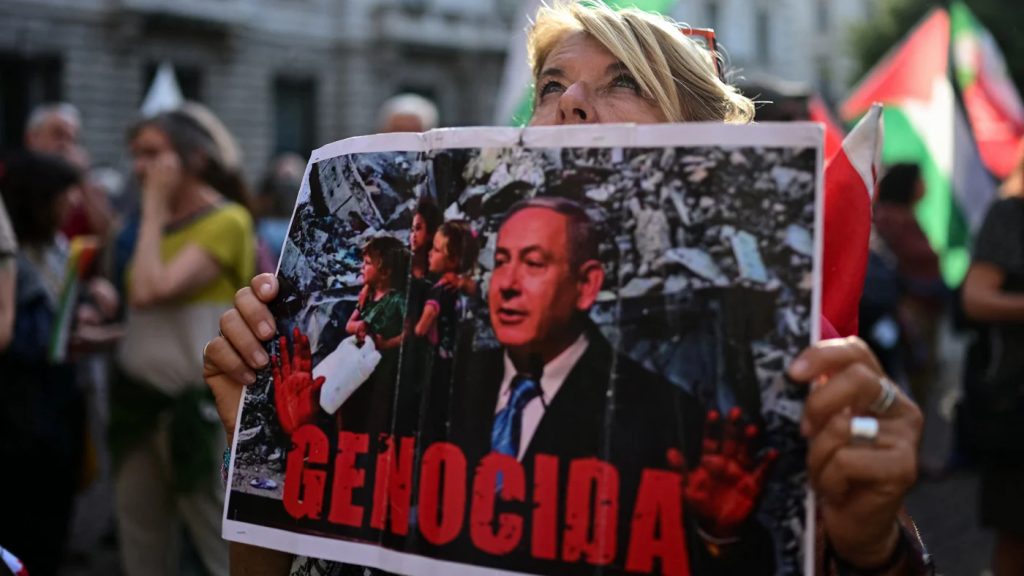
This analysis examines Benjamin Netanyahu’s strategic opposition to the emerging US-Iran memorandum of understanding. By utilizing military escalation in Lebanon and Gaza, Netanyahu seeks to render diplomatic stabilization efforts unmanageable. The article explores the growing tension between Washington’s domestic political requirements and Israel’s maximalist regional objectives during this critical period.
Lebanon’s Endless War Loop Is a Failure of Strategic Imagination
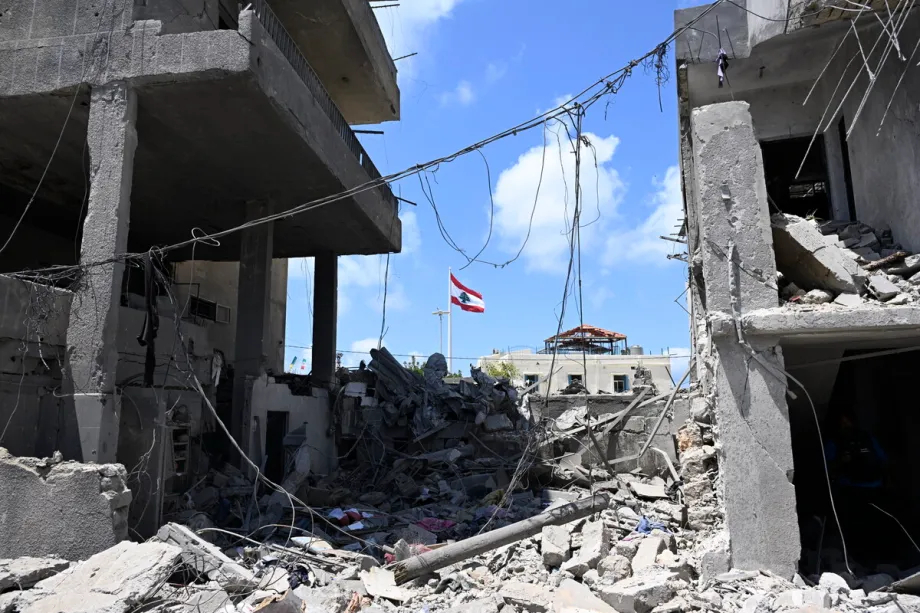
This analysis explores the historical failure of military-only solutions in the Lebanon conflict, tracing the pattern of violence from 1978 to the present day. Despite massive increases in operational scale—culminating in the devastating impact of the 2026 campaign, which has displaced nearly one-fifth of the Lebanese population—the strategic goal of eliminating Hezbollah remains elusive. By examining the persistent cycle of destruction and rebuilding, we argue that current military operations are trapped in a “strategic time loop.” We assess the widening disconnect between Washington-led ceasefire negotiations and the reality on the ground, questioning whether any military alternative can succeed where fifty years of history has definitively proven failure.
America’s Empire of Bases Is Starting to Cost Its Hosts Too Much
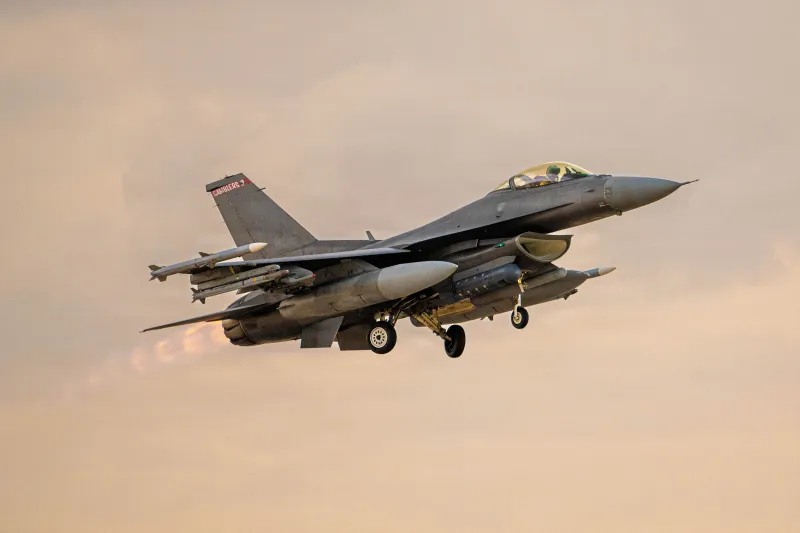
This analysis examines the growing strategic liability of the U.S. “empire of bases” in the Middle East. As the ongoing conflict with Iran reveals the vulnerability of host-nation infrastructure—exemplified by the devastating June 3 attack on Kuwait International Airport—we explore how the proliferation of low-cost, high-impact drone and missile technologies has fundamentally inverted the security guarantee the U.S. once provided. We assess whether the increasing risk of hosting U.S. forces will lead to a systemic denial of access, potentially forcing a retraction of American global reach and fundamentally altering the future of U.S. military power.
The West Keeps Predicting Russia’s Collapse and Keeps Getting It Wrong
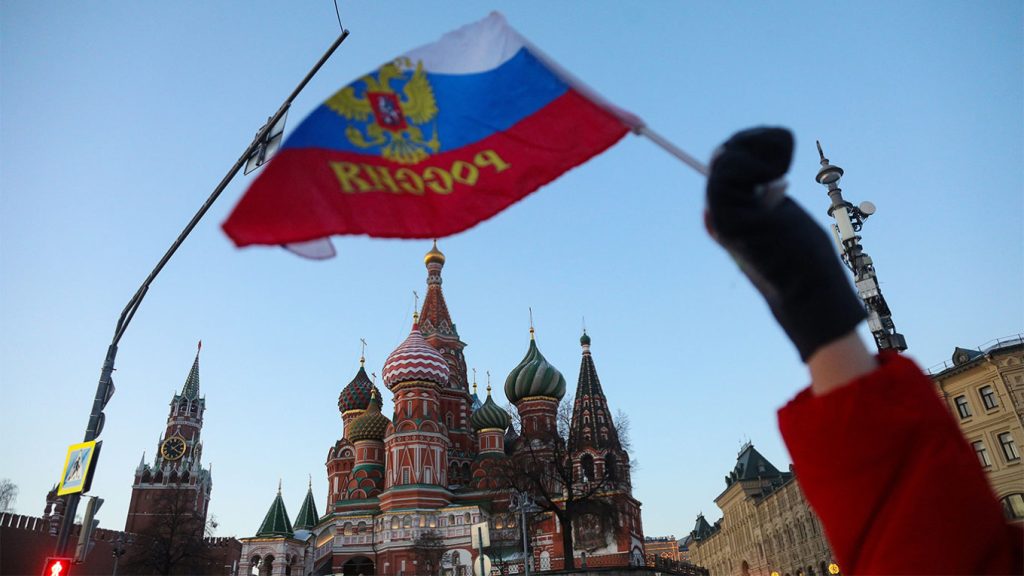
This analysis examines the persistent failure of Western analytical frameworks to accurately predict Russia’s stability. By examining the impact of the “knowledge iron curtain” that has severed direct research ties, the structural biases within exiled opposition discourse, and the ideological blind spots regarding authoritarian functionality, we argue that the “collapse narrative” is actively distorting Western policy. This report challenges the assumption that Russia’s ongoing economic and military stresses must inevitably lead to systemic breakdown, urging a shift toward empirical observation and a more nuanced understanding of how Moscow continues to adapt under pressure.
The Dollar Is Dying and The World Is Renegotiating Its Price

This analysis explores the structural and psychological erosion of the U.S. dollar’s role as the foundation of global finance. With U.S. federal debt exceeding critical thresholds and interest payments increasingly consuming the federal budget, the traditional framing of a “strong dollar” is facing unprecedented political scrutiny. We examine the tensions within Washington as policymakers weigh the benefits of currency depreciation to boost domestic manufacturing against the risk of alienating foreign creditors. This report details the global response—from diversified central bank reserves to the rise of non-dollar trade—and assesses whether the dollar can maintain its status as the world’s risk-free asset in a new era of managed currency competition.
The Case for a Third Economic Pole Without the US or China
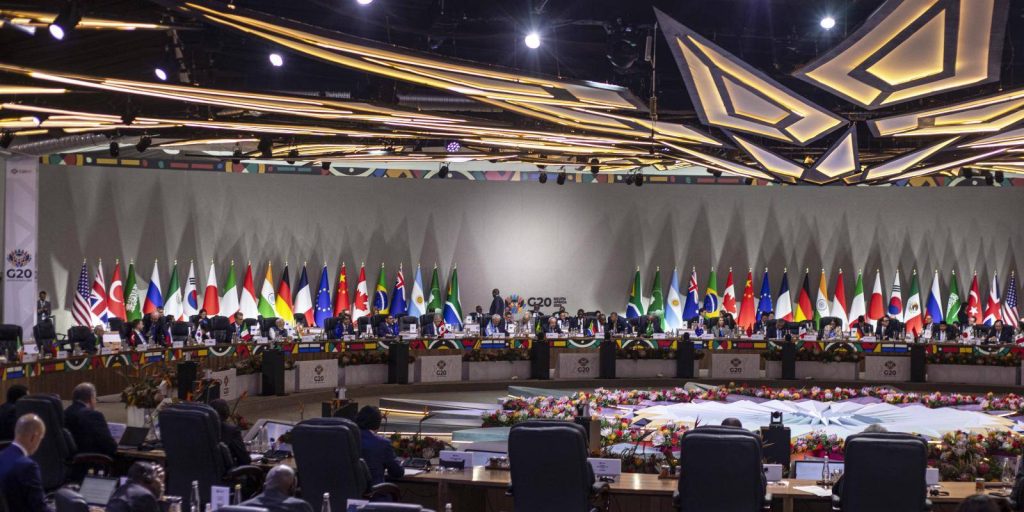
This analysis examines the recent Chatham House report, Saving global economic governance from the ‘Trump shock’, which advocates for the creation of a “third economic pole” in the global financial system. As the U.S. and China increasingly weaponize economic policy and dismantle multilateral institutions, the report argues that market-oriented middle powers must move beyond ad-hoc “variable geometry” coalitions. By establishing a standing alliance between the European Union and the 12 CPTPP member states, these nations could create a stable, rules-based trade bloc large enough to maintain economic openness and resilience independently of the two competing hegemons.
Lebanon Has No Seat at the Table — Only a Place on the Menu
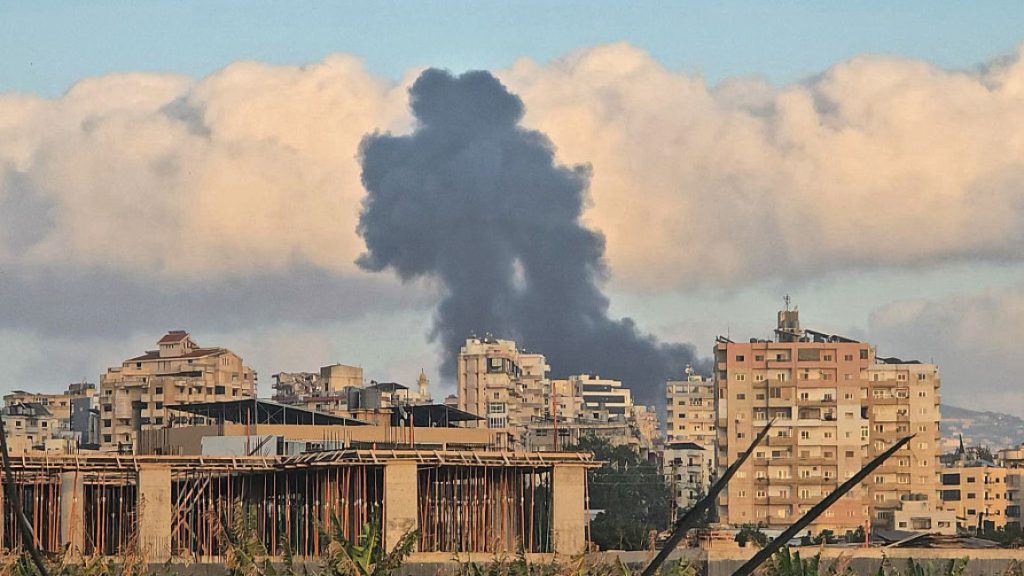
This analysis explores Lebanon’s precarious position as the regional conflict between Washington, Tehran, and Jerusalem escalates. Despite the pretense of formal diplomatic talks, Lebanon continues to be treated as a theater of war rather than a sovereign participant in the ongoing negotiations. By examining the structural weaknesses of the Lebanese state, the tactical decoupling of the Lebanon track from broader nuclear talks, and the potential for a cynical diplomatic settlement that sacrifices Lebanese stability for US-Iran concessions, we assess the worsening humanitarian and security crisis facing the country as of June 2026.
India’s Strategic Autonomy Doesn’t Need Washington’s Approval

This analysis explores the evolving landscape of Indian foreign policy amidst shifting global alliances. We examine the limitations of Washington’s partnership rhetoric, India’s persistent reliance on “strategic autonomy” as its core organizing principle, and the potential strategic benefits of stabilizing relations with China. By moving beyond traditional bloc-based alignments, we argue that India is prioritizing national interests and long-term diplomatic leverage over reflexive adherence to U.S.-led geopolitical frameworks.