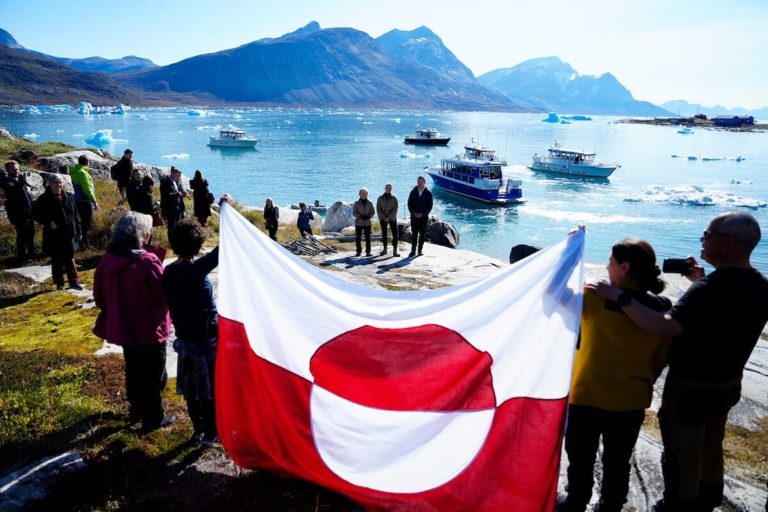
Following months of intense diplomatic friction and repeated threats of annexation, the Danish government and Greenlandic leadership expressed cautious optimism regarding a newly negotiated security framework with the United States. The impending pact, expected to be formally signed at the upcoming United Nations General Assembly, addresses Washington’s strategic concerns in the Arctic while preserving Danish sovereignty and local self-determination. This resolution follows a turbulent period wherein executive threats to seize the semiautonomous territory deeply alarmed European allies and strained intra-alliance trust.
Balancing Strategic Security and Territorial Integrity
Under the terms of the emerging agreement, the United States will expand its military footprint and base infrastructure on the mineral-rich island to counter growing geopolitical competition in the Arctic. Although the exact specifics remain officially unconfirmed by Copenhagen, anonymous diplomatic sources indicate that the pact explicitly bans non-NATO military installations, restricts adversary investments, and prevents foreign rivals like China or Russia from establishing a foothold on the territory.
For the administration, the deal provides a significant foreign policy victory ahead of domestic midterm elections, allowing leadership to claim credit for securing vital northern defense corridors. Conversely, local activists and regional analysts emphasize that the agreement successfully rebuffs initial demands for outright territorial purchase. By reaffirming the Kingdom of Denmark’s territorial integrity, the framework satisfies local sovereignty demands while updating Cold War-era defense arrangements to meet modern geopolitical realities.
Original analysis inspired by James Brooks and Kirsten Grieshaber from The Christian Science Monitor. Additional research and verification conducted through multiple sources.