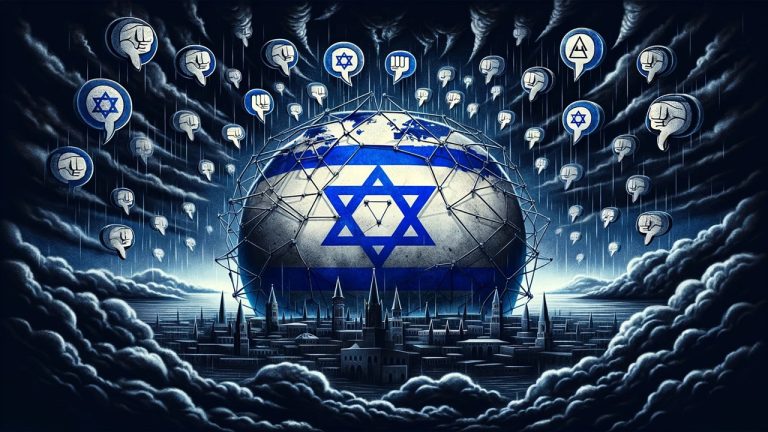
Recent data and stark warnings from long-standing international allies highlight a profound deterioration in Israel’s global standing, particularly within American public opinion. Democratic Representative Brad Sherman recently issued a public caution, noting that elected officials and the broader Israeli public fail to grasp the immediacy and severity of this diplomatic collapse. Despite clear evidence that the country’s international reputation has plummeted, mainstream political opposition figures largely avoid addressing the issue.
The Silence of the Political Opposition
Political analysts observe that opposition leaders—including figures like Gadi Eisenkot, Naftali Bennett, and Avigdor Liberman—refuse to echo Sherman’s warnings because the domestic electorate simply does not want to confront the reality of international alienation. Modern political survival in Israel dictates that leaders avoid articulating uncomfortable truths. Consequently, even opposition figures support or acquiesce to policies that accelerate international isolation, such as aggressive settlement expansion or devastating military campaigns in Gaza. Rather than offering a genuine course correction, political contenders compete over who can more effectively manage the conflict, leaving a profound vacuum in visionary leadership.
The Psychology of ‘Planet Israel’
This widespread political evasion stems from a deeper societal shift following the collective trauma of October 7th and decades of preceding conflict. Observers describe the emergence of “Planet Israel”—a psychological state where the populace is acutely aware of how the nation is perceived abroad but has chosen not to care. Driven by a mixture of deep-seated anger at perceived international hypocrisy, rising antisemitism, and a raw survival instinct, the public has largely embraced a worldview encapsulated by isolation and defiance. Relying on tropes of self-reliance and the biblical concept of “a people that dwells alone,” domestic sentiment frequently dismisses foreign criticism as illegitimate bias.
Ultimately, the refusal of domestic leadership to challenge this insular mindset creates an impenetrable wall between the country and its traditional allies. When foreign lawmakers must articulate the dangers of international pariah status because domestic politicians refuse to do so, it underscores the systemic reluctance of the political establishment to confront the long-term diplomatic consequences of its current trajectory.
Original analysis inspired by Einav Schiff from Ynetnews. Additional research and verification conducted through multiple sources.