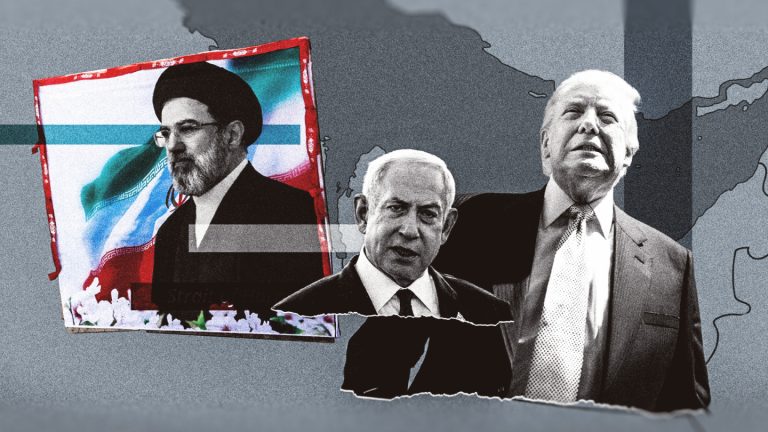
Relations between Washington and Tehran sit at a precarious crossroads as negotiators pursue a diplomatic breakthrough amidst a fragile ceasefire. Despite recent military exchanges and a legacy of deep seated mistrust, the prospect of a formal Memorandum of Understanding appears more tangible than at any point in recent years. This potential accord confronts the reality that any lasting settlement must address the technical and political failures of the past decade. While the current administration frames these talks as a quest for a superior bargain, the structural demands resemble the very framework dismantled in 2018.
The Nuclear Leverage Shift
The current crisis stems from the earlier decision to exit the nuclear accord. That move removed the constraints on Iranian nuclear activities and triggered a cycle of escalation that eventually led to direct military confrontations. Today the Islamic Republic possesses a more advanced enrichment capability and a larger stockpile of sensitive materials than it did during previous administrations. To [suspicious link removed] a new agreement, Washington must now navigate a reality where zero enrichment is no longer a viable demand.
Tehran utilizes its strategic position near the Strait of Hormuz to maintain significant leverage during these deliberations. By demonstrating an ability to disrupt global energy markets, Iran has created an asymmetric deterrent that complicates any push for unconditional surrender. This maritime pressure forces Western policymakers to weigh the costs of continued sanctions against the risks of a broader economic shock. Consequently the negotiations rely on a delicate exchange of sanctions relief for verifiable nuclear limitations.
Security Risks and Regional Spoilers
Israel remains the primary critic of any diplomatic softening, fearing that a deal would legitimize Iranian regional influence. Tel Aviv maintains that any framework allowing for enrichment capabilities poses an existential threat to its security. This friction manifests most clearly in Lebanon where military operations against Hezbollah continue despite the broader diplomatic tracks. Critics worry that even if a nuclear truce is reached, the shadow war across the Levant will continue to expand.
Even if a deal is signed and branded as a triumph of strength, it is unlikely to end the underlying rivalries that define the region. Any upcoming agreement will likely serve as a tool for conflict management rather than a roadmap for total peace. The challenge lies in maintaining a diplomatic structure between two capitals that remain fundamentally convinced of the other side’s bad faith. Success will be determined not by a perfect resolution, but by the prevention of an all out regional catastrophe.
Original analysis inspired by Giorgio Cafiero from The New Arab. Additional research and verification conducted through multiple sources.
By ThinkTanksMonitor