Category: Ukraine

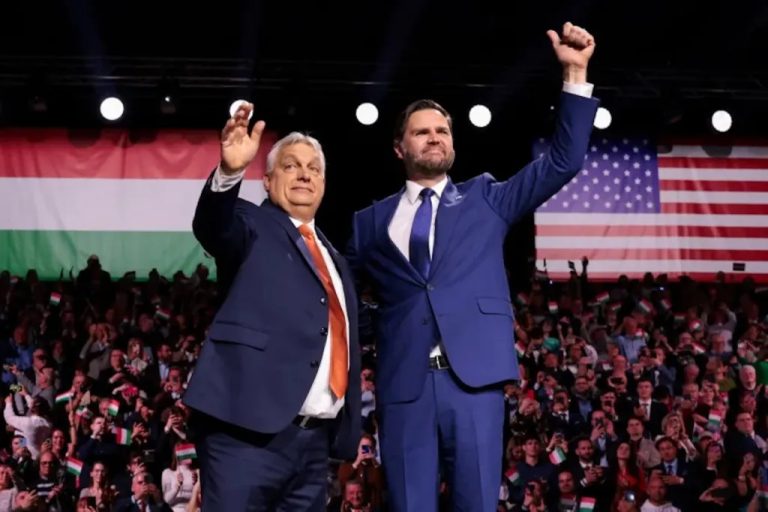
Viktor Orbán and JD Vance standing together on stage during a political event with Hungarian and US flags.

Hungary Election Tests Orban’s Hold and European Unity

The Hungarian election has become a critical litmus test for European cohesion and the future of regional security. Prime Minister Viktor Orban, backed by a unique alignment of JD Vance and Vladimir Putin, faces his toughest challenge yet from Peter Magyar. The result will determine whether Budapest continues to leverage its veto power over Ukraine’s €90 billion loan or pivots toward a more cooperative, transparent role within the European Union.

Read More »
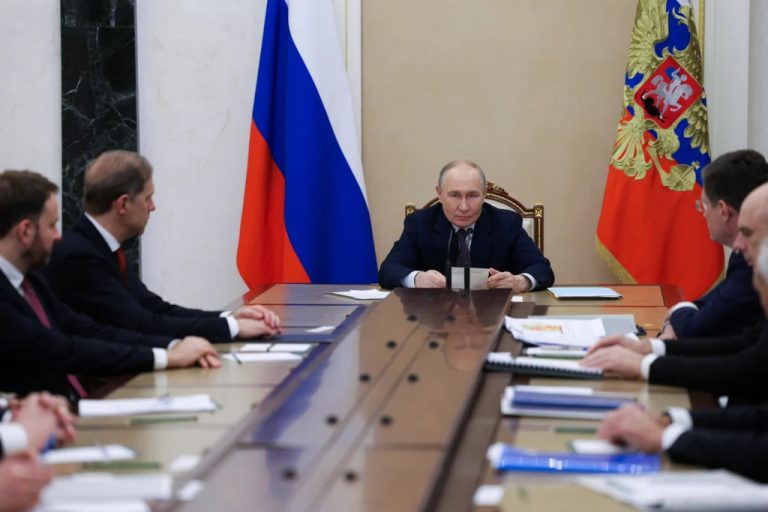
Vladimir Putin presiding over a high-level government meeting at a long wooden table with Russian flags in the background.

Russia’s Iran War Windfall Masks Deeper Trouble

Russia has emerged as the war’s primary economic beneficiary, with oil export earnings surging to €388 million daily as global sanctions ease to maintain supply. However, this windfall masks long-term strategic erosion, including a stalled Ukraine peace process and a declining global influence as Moscow remains sidelined from Middle East diplomacy.

Read More »
Several men in dark suits walking past a building with a "FRANCK MULLER" watch advertisement in the window, with a seagull blurred in flight.

Ukraine Offers Drone Killers to the Gulf While Russia Cashes In on War

Russia is profiting from the Iran war as oil prices surge, sanctions ease, and U.S. air‑defense stockpiles drain. Ukraine, facing shortages, is pivoting fast — offering its battle‑tested counter‑drone tech to Gulf states. As Moscow plays mediator and shares intelligence with Tehran, Kyiv fights to stay relevant in a distracted world.

Read More »
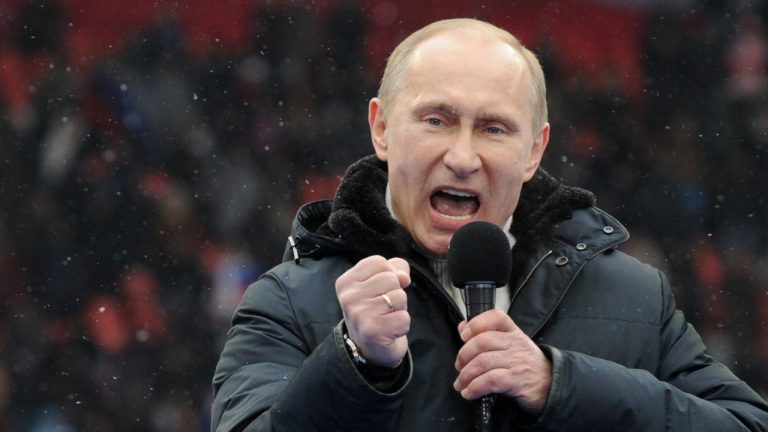
Russian President Vladimir Putin speaking into a microphone with his fist clenched during a large outdoor rally.

Ukraine’s Fifth Year: What Does Putin Actually Want?

Four years in, Russia controls 20% of Ukraine but still lacks its stated goals. Analysts disagree whether Putin seeks limited territorial gains or political control over all of Ukraine. U.S.‑led talks hinge on territorial concessions Kyiv rejects. With no viable security guarantees, the war’s fifth year begins without a credible path to peace.

Read More »
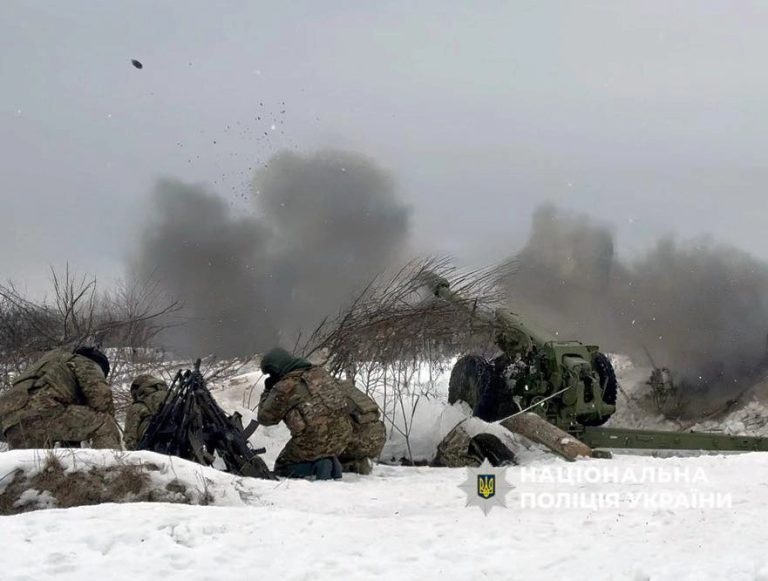
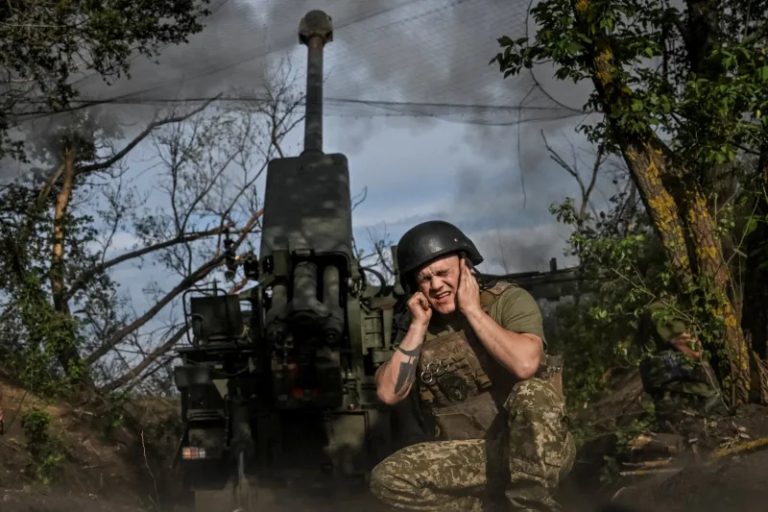
Ukrainian soldiers firing a heavy artillery cannon in a snowy field during the fourth year of the conflict.

Four Years of War: Ukraine Demands Action Over Words

Four years into Russia’s invasion, Ukraine faces a grinding stalemate as Western aid shifts. U.S. support has sharply declined while Europe shoulders most military and financial assistance. Sanctions strain but don’t break Russia. Ukraine demands air defense and sustained backing to prevent further losses and secure its future.

Read More »
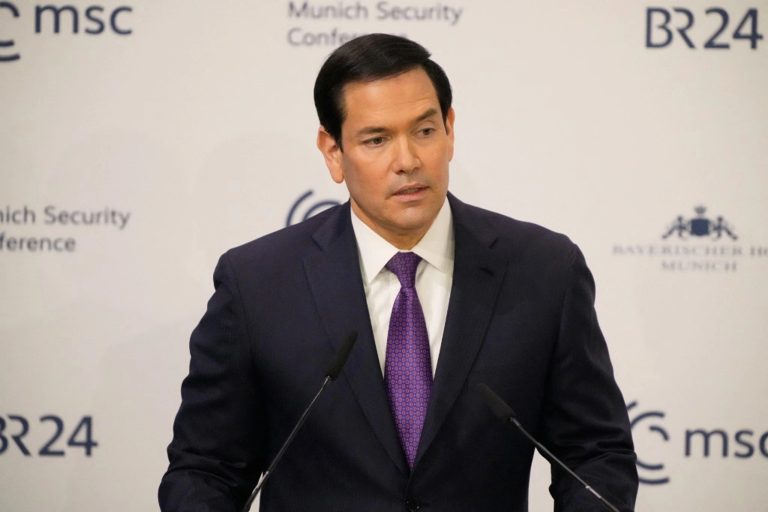
A medium shot of Marco Rubio speaking at a podium, wearing a dark navy suit and a patterned purple tie, with a white background featuring logos for the "Munich Security Conference" and "BR24."

Europe’s Defense Awakening: Ready for War Without Washington?

Munich 2026 revealed a continent in transition: spending more, planning further ahead, and finally treating defense as a core function of statehood rather than a budgetary inconvenience. But it also revealed a Europe still psychologically tethered to Washington, even as Washington signals that its patience, priorities, and commitments are no longer what they once were.

Read More »
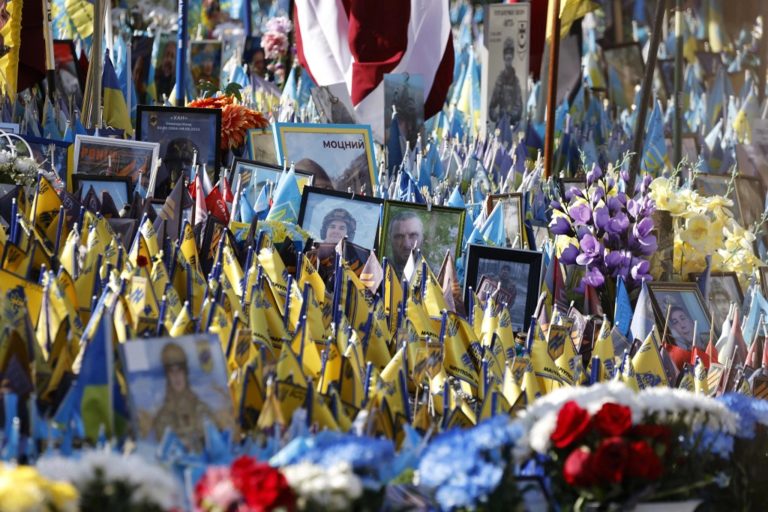
A dense memorial field filled with hundreds of small yellow and blue Ukrainian flags, interspersed with framed portraits of soldiers and colorful funeral flowers.

Four Years of War in Ukraine Expose the Cost of Western Hesitation

Western hesitation has prolonged a brutal stalemate in Ukraine, where massive casualties, slow aid, and delayed weapons have strengthened Russia’s attritional strategy while forcing Kyiv to innovate militarily and Europe to rearm unevenly, leaving the war’s outcome tied to political will rather than battlefield shifts.

Read More »
A wide shot of a heavily damaged industrial power plant in Ukraine, showing collapsed roofs, charred metal structures, and debris scattered across the site.

Ukraine War Exposed the Failure of Western Deterrence Assumptions

In January 2026, the strategic fallout from the Ukraine war has fundamentally dismantled the “post-Cold War” playbook. Western leaders now operate under a new, grimmer set of assumptions: that war is a contest of industrial stamina, not just initial tech; that economic ties can be weapons of coercion; and that “red lines” mean nothing without the munitions to back them up.

Read More »
A group of military personnel in blue and green flight suits standing in formation.

Ukraine’s Defense Innovations Present Critical Lessons for Taiwan’s Security Strategy

In January 2026, the security of Taiwan is being redefined by “battlefield truths” exported from Ukraine. As Taipei faces intensifying pressure from Beijing—most recently via the “Justice Mission 2025” drills—it has fundamentally pivoted its defense strategy toward asymmetric “porcupine” warfare, prioritizing millions of low-cost drones over traditional “big toy” platforms like submarines and fighter jets.

Read More »
Donald Trump in a blue suit and red tie walking alongside Volodymyr Zelenskyy in a black sweatshirt through a modern hallway.

Trump’s Transactional Approach: Negotiating an End to the Ukraine War

Trump’s 2025 peace push centers on a transactional deal trading Ukrainian NATO aspirations for long-term U.S. security guarantees. The framework involves potential territorial concessions in Donbas and a national referendum, shifting away from previous demands for full Russian withdrawal to prioritize a rapid, comprehensive end to the war.

Read More »
Two people riding bicycles past a heavily destroyed apartment building in a war zone.

European Strategic Decline: Three Concurrent Crises Reshape Global Power Dynamics

Three key geopolitical events in 2025 have shifted Europe’s role from an aspiring strategic player to a subordinate partner reliant on external powers. The military defeat in Ukraine, technological dependence on China, and economic capitulation to the United States expose deep structural vulnerabilities that years of integration did not resolve, resulting in Europe’s reduced influence amid increasing global competition.

Read More »