Category: Palestine and Isreal

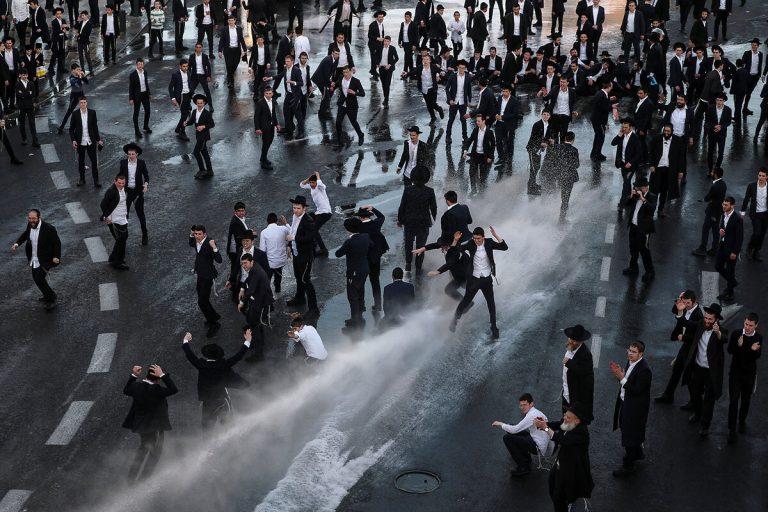
An overhead view of Israeli police using a water cannon on a crowd of Orthodox Jewish protesters in a city street.

Netanyahu’s “Mr. Security” Brand Is Cracking

As Israel heads toward elections scheduled for late 2026, Prime Minister Benjamin Netanyahu faces the most precarious political environment of his career. This analysis examines the erosion of his “Mr. Security” brand following the prolonged conflicts in Gaza, Lebanon, and Iran. With recent polling showing the opposition gaining a potential majority and critical fissures forming within his coalition—most notably over the ultra-Orthodox military service exemption—the article explores how a combination of voter fatigue, internal social polarization, and strained relations with Washington has created an unprecedented challenge to his long-standing dominance.
Read More »
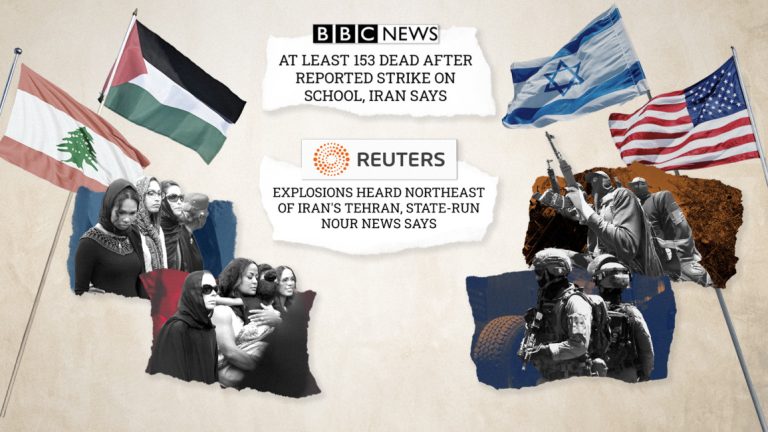
A collage featuring flags, news headlines from BBC and Reuters, and contrasting imagery of civilians and soldiers to illustrate media framing.

How Western Media Language Became a Weapon in the Iran War

This analysis explores how linguistic choices in mainstream Western media have constructed a specific narrative around the US-Israel military campaign against Iran. By examining the shift from passive-voice framing for airstrikes to active-voice descriptions of Iranian responses, the article illustrates how clinical euphemisms—such as “decapitation strikes”—obscure the legal and humanitarian realities of the conflict. The post argues that existing international relations vocabulary is ill-equipped to describe the doctrine of permanent preemption, calling for more rigorous analytical frameworks that challenge state-led narratives rather than merely repeating them.

Read More »
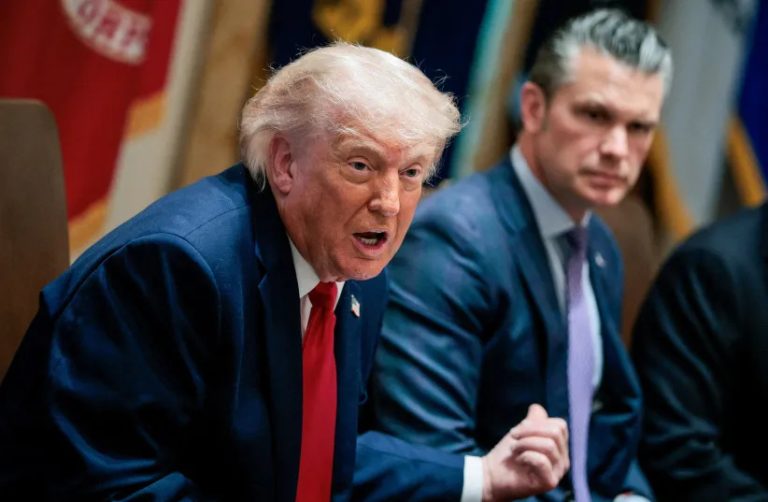
Donald Trump speaking at a conference with an associate nearby.

The US-Iran War Has No Winners, Only Varying Degrees of Defeat

This article critiques the failure of Operation Epic Fury, arguing that four months of military engagement have produced no strategic resolution. From distorted nuclear timelines and unattainable regime-change goals to the hardening of Iranian hardliners and Israel’s diminished regional standing, the conflict has only institutionalized instability. The post examines how the proposed memorandum of understanding serves as a fragile pause rather than a path toward regional security, ultimately highlighting the high costs and lack of meaningful gains for all involved stakeholders.

Read More »
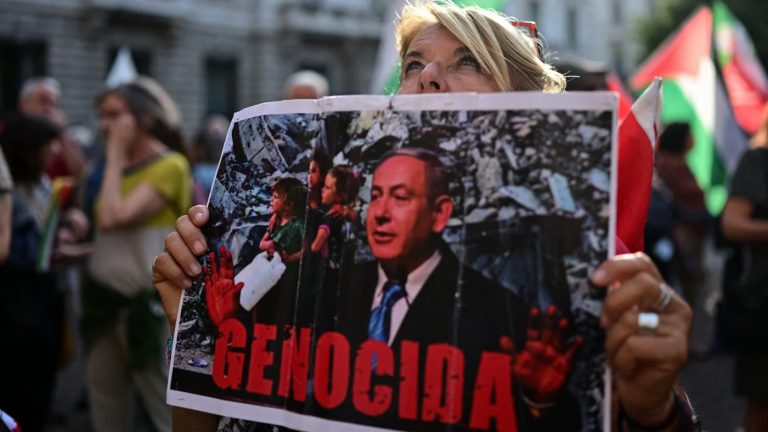
A protester holding a sign with a photo of Benjamin Netanyahu and the word "Genocida."

Netanyahu’s Real Goal Is Not Victory — It Is Preventing a Deal

This analysis examines Benjamin Netanyahu’s strategic opposition to the emerging US-Iran memorandum of understanding. By utilizing military escalation in Lebanon and Gaza, Netanyahu seeks to render diplomatic stabilization efforts unmanageable. The article explores the growing tension between Washington’s domestic political requirements and Israel’s maximalist regional objectives during this critical period.

Read More »
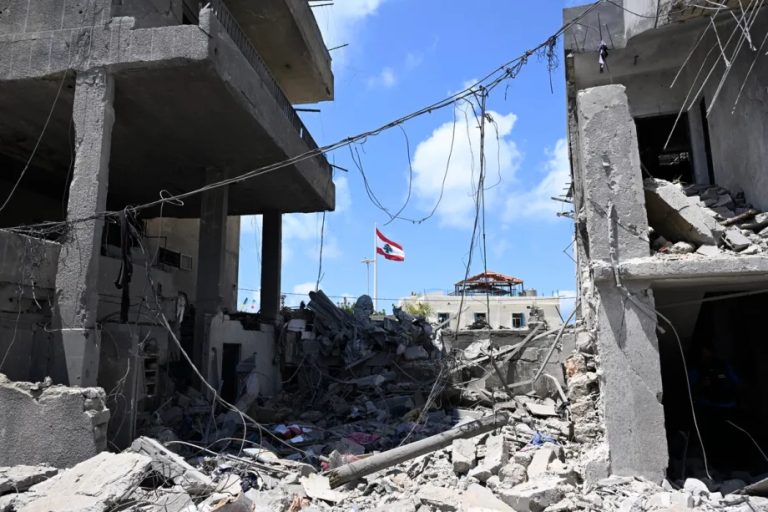
A view of a destroyed building in Lebanon with a national flag flying in the background.

Lebanon’s Endless War Loop Is a Failure of Strategic Imagination

This analysis explores the historical failure of military-only solutions in the Lebanon conflict, tracing the pattern of violence from 1978 to the present day. Despite massive increases in operational scale—culminating in the devastating impact of the 2026 campaign, which has displaced nearly one-fifth of the Lebanese population—the strategic goal of eliminating Hezbollah remains elusive. By examining the persistent cycle of destruction and rebuilding, we argue that current military operations are trapped in a “strategic time loop.” We assess the widening disconnect between Washington-led ceasefire negotiations and the reality on the ground, questioning whether any military alternative can succeed where fifty years of history has definitively proven failure.

Read More »
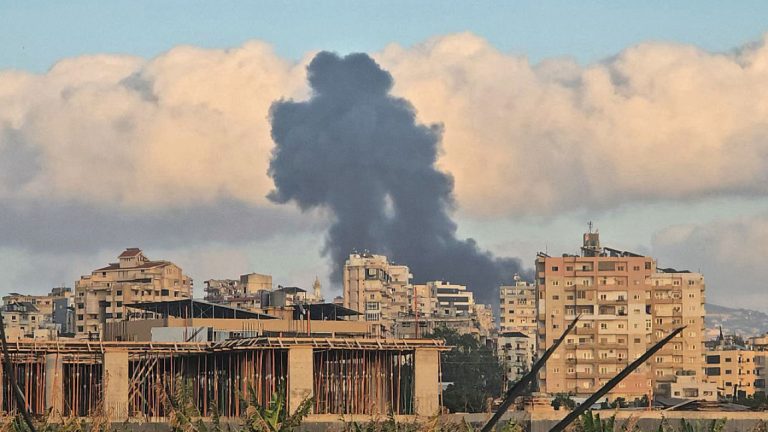
Thick black smoke rising into the sky over a Lebanese city with residential buildings in the foreground.

Lebanon Has No Seat at the Table — Only a Place on the Menu

This analysis explores Lebanon’s precarious position as the regional conflict between Washington, Tehran, and Jerusalem escalates. Despite the pretense of formal diplomatic talks, Lebanon continues to be treated as a theater of war rather than a sovereign participant in the ongoing negotiations. By examining the structural weaknesses of the Lebanese state, the tactical decoupling of the Lebanon track from broader nuclear talks, and the potential for a cynical diplomatic settlement that sacrifices Lebanese stability for US-Iran concessions, we assess the worsening humanitarian and security crisis facing the country as of June 2026.

Read More »
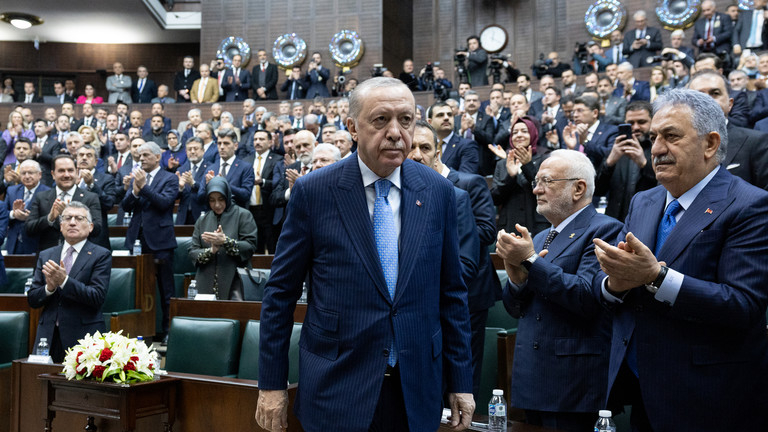
Turkish President Recep Tayyip Erdoğan walking through a crowded assembly hall.

Turkey Is Building the Military Network Iran Could Never Assemble

This analysis examines Turkey’s ambitious regional military strategy as demonstrated at the EFES-2026 exercise. By hosting troops from across North Africa and the Levant—including previously fractured Libyan factions and Syria’s newly reconstituted army—Ankara is moving beyond the proxy-based influence models of the past. We explore how Turkey is leveraging its institutional legitimacy and NATO status to formalize a durable military network, effectively creating a new strategic reality in the Middle East that challenges Israeli security planning and reshapes the regional balance of power.

Read More »
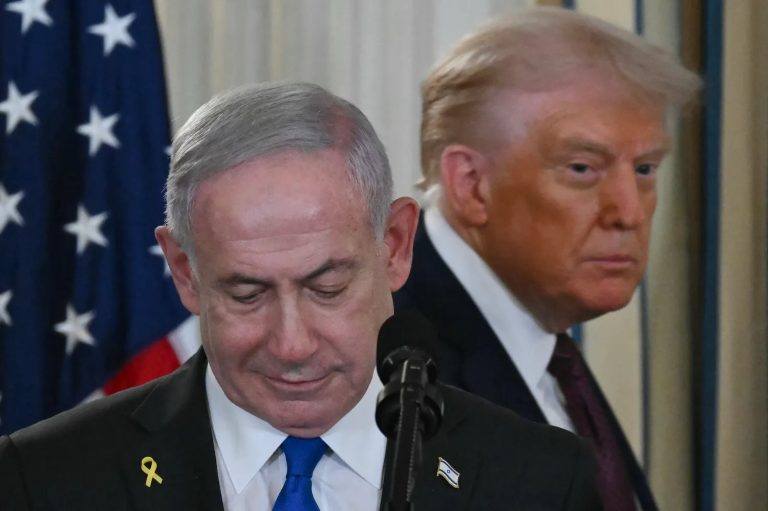
Benjamin Netanyahu speaking at a podium with Donald Trump standing in the background.

Trump’s Iran Deal Could Be Netanyahu’s Political Undoing

This analysis explores the intensifying friction between Washington and Jerusalem as the U.S. moves toward a formal memorandum of understanding with Iran. We examine how Donald Trump’s leverage over Israeli policy is forcing Benjamin Netanyahu into a corner, stripping him of his traditional influence over regional security strategy. By detailing the failure of Israel’s military objectives in Lebanon and the domestic political fallout of a U.S.-led diplomatic shift, we assess the mounting threat to Netanyahu’s coalition ahead of the upcoming October elections.

Read More »
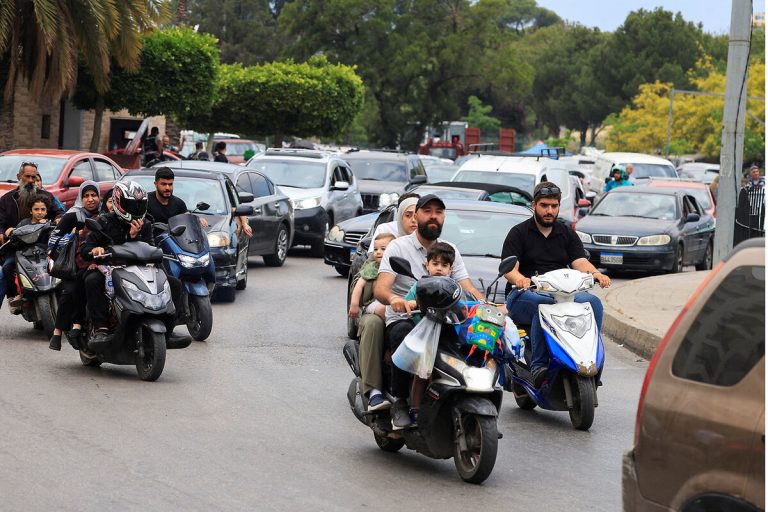
Families and civilians riding motorbikes and driving cars in heavy street traffic.

Israel’s Lebanon Offensive Is Killing the US-Iran Peace Deal

This analysis examines the current collapse of diplomatic efforts between Washington and Tehran as of June 2, 2026. Following Israel’s intensified military operations in Lebanon—which Iran views as a breach of the ceasefire—Tehran has suspended indirect communications. We explore the implications of this breakdown for the Strait of Hormuz, the status of the proposed memorandum of understanding, and the escalating risks of a return to full-scale regional conflict.

Read More »
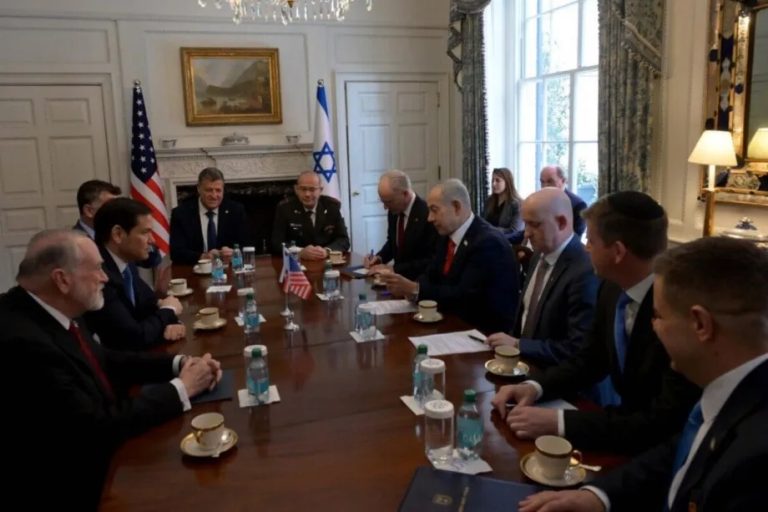
US and Israeli officials sitting around a conference table during a high-level diplomatic meeting.

How Israel’s Veto Power Is Undermining US-Iran Diplomacy

This analysis examines the current collapse of diplomatic efforts between Washington and Tehran as of June 1, 2026. Following Israel’s intensified military operations in Lebanon—which Iran views as a breach of the ceasefire—Tehran has suspended indirect communications. We explore the implications of this breakdown for the Strait of Hormuz, the status of the proposed memorandum of understanding, and the escalating risks of a return to full-scale regional conflict.

Read More »
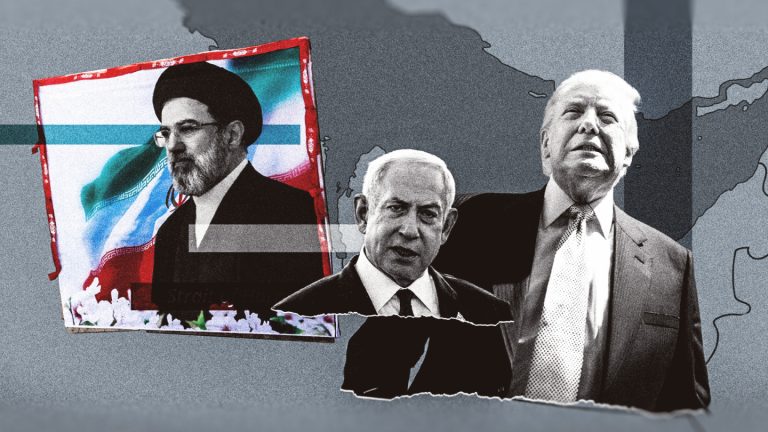
Artistic collage featuring the Iranian leader, Benjamin Netanyahu, and Donald Trump over a map.

Will the New US and Iran Peace Deal Mirror the JCPOA

This analysis examines the structural differences between the potential 2026 US-Iran agreement and the 2015 JCPOA. While both address nuclear concerns, the current negotiations are primarily driven by the urgent need to stabilize the Strait of Hormuz and resolve active military hostilities. We explore how this bilateral, crisis-led approach differs from the original multilateral framework and the challenges to achieving a lasting settlement.

Read More »
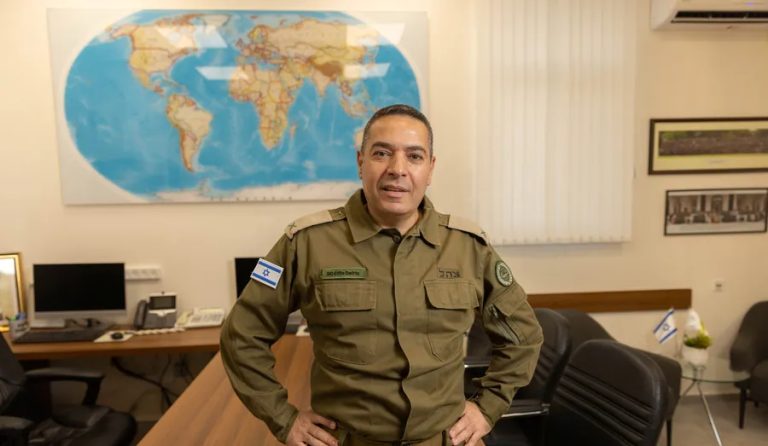
An Israeli military official in uniform standing in an office in front of a world map.

Israel’s Military PR Machine Is Breaking Down Where It Matters Most

This article examines the breakdown of the IDF Spokesperson’s Unit under Brigadier General Effie Defrin. By analyzing the decline in military transparency, the misuse of media controls, and the shift in international public opinion, we assess how retreating from difficult truths is undermining the credibility of Israel’s strategic communications.

Read More »