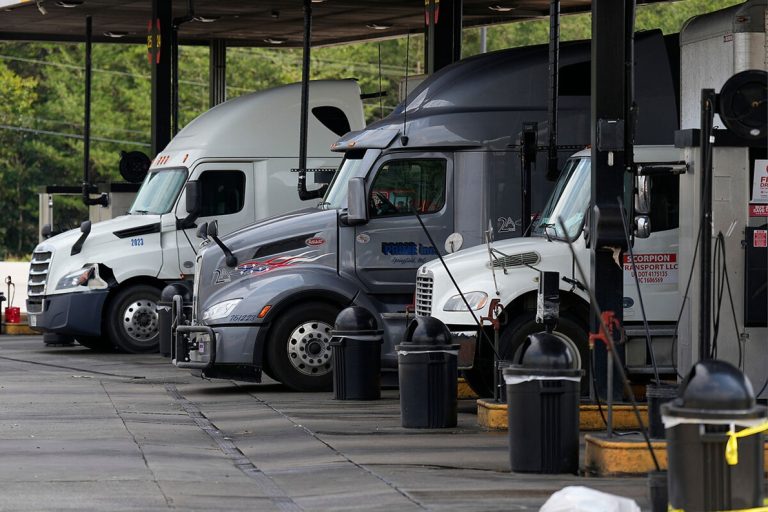
The ongoing military conflicts in Eastern Europe and the Middle East are triggering severe economic shocks across domestic markets, centered heavily on the soaring cost of diesel fuel. As a vital component underpinning national commerce, agriculture, and transportation, diesel prices reached a record-shattering average of $6.45 per gallon—representing a staggering 74 percent increase compared to the previous year. This unprecedented escalation threatens to drive up the cost of groceries and everyday consumer goods as transportation expenses ripple through the supply chain.
Global Supply Disruptions and Refining Bottlenecks
Multiple geopolitical flashpoints directly account for this tightening global supply. The prolonged war in Ukraine, compounded by reciprocal strikes targeting energy infrastructure between Kyiv and Moscow, forced Russian authorities to implement sweeping export bans on refined products. Concurrently, American military operations and ongoing disruptions across the Strait of Hormuz stifled the daily flow of millions of barrels of crude oil. With international markets severely constrained, domestic refineries are forced to operate at nearly 97 percent capacity to compensate for fractured supply chains, leaving little room for error as winter demand approaches.
Ramifications for Agriculture and National Security
Unlike gasoline, where consumers frequently reduce driving habits in response to high prices, diesel demand remains remarkably inelastic because it powers the foundational machinery of the economy. The agricultural sector faces immediate pressure as the fall harvest gets underway, with higher fuel expenses directly increasing operating costs for tractors and harvesters. Furthermore, military readiness is increasingly compromised. The Department of Defense faces unexpected budgetary strains as combat vehicles, aircraft, and naval support vessels consume costly fuel, prompting congressional inquiries into how these financial pressures impact routine training operations.
While some lawmakers have floated the possibility of restricting domestic fuel exports to lower prices, administration officials remain hesitant to intervene in the global marketplace. Energy experts emphasize that short-term domestic fixes offer limited relief; true market stabilization depends entirely upon resolving underlying geopolitical tensions and restoring secure navigation through critical maritime chokepoints.
Original analysis inspired by Victoria Hoffmann and Laina Gustafson from The Christian Science Monitor. Additional research and verification conducted through multiple sources.