Wars have two price tags. The first is paid in the field — in munitions, fuel, damaged aircraft, and broken infrastructure. The second arrives later, in Congressional hearings, supplemental appropriations, and veterans’ disability claims that compound for decades. Operation Epic Fury, the 39-day US air campaign against Iran that ended with a ceasefire in early April, has largely settled the first bill. Washington is now staring at the second — and nobody has agreed on how to pay it.
The Center for Strategic and International Studies estimates total direct war costs at approximately $40 billion, spread across six categories: munitions, base damage, equipment losses, deployment and redeployment, higher operational tempo, and elevated fuel prices. That figure sits meaningfully above the $29 billion the Pentagon acknowledged publicly — a gap explained almost entirely by the Defense Department’s decision to exclude base repair costs from its own accounting, on the grounds that it has not yet decided which damaged facilities it will continue to use. Leaving out infrastructure repair because you haven’t decided whether to rebuild it is a creative accounting choice, but it does not make the damage disappear.
Where the Money Actually Went
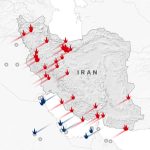
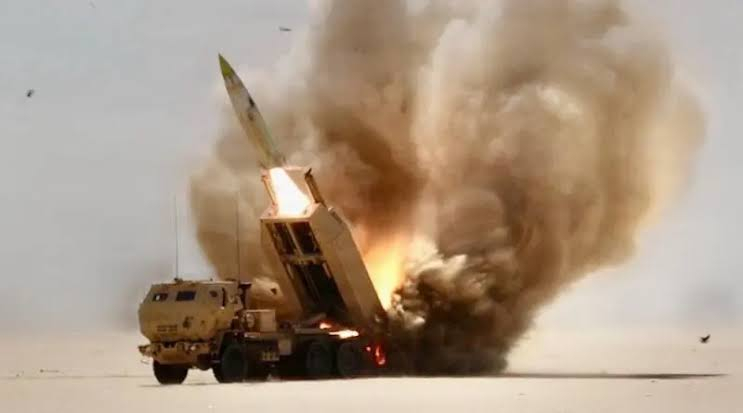
Munitions consumed the largest share by a significant margin. US forces fired 13,629 strike munitions against more than 13,000 targets by the time the ceasefire took hold. CSIS puts the munitions bill at $26.1 billion — nearly two-thirds of the total war cost estimate. The figure reflects a critical asymmetry in how the campaign was fought: the opening phase relied on expensive long-range systems, including Tomahawks at roughly $2.6 million each and JASSMs at comparable cost, while later phases shifted to cheap precision-guided bombs once Iranian air defenses were suppressed. A single JDAM kit converts a standard unguided bomb into a precision weapon for around $25,000 — roughly one percent of a Tomahawk’s cost, with similar accuracy at shorter range. The operational shift saved money. It also came too late to prevent the most expensive opening days of the campaign, during which the first six days alone cost an estimated $11.3 billion.
The air defense side of the ledger is equally striking. US and coalition forces intercepted between 40 and 60 percent of the roughly 2,200 Iranian missiles and 4,400 drones launched during the conflict, with allied partners absorbing much of the remaining load. The math is unforgiving: intercepting a Shahed drone that cost Iran somewhere between $7,000 and $35,000 with a Patriot missile that costs $4 million is fiscally catastrophic at scale. The war has consumed roughly half of America’s Patriot stockpile and between 50 and 80 percent of its THAAD interceptors — reserves that will take years and billions more to replenish, and whose depletion leaves US forces in Europe and Asia materially less protected in the interim.
Base damage adds another $4 to $9.4 billion to the tally, with the wide range reflecting genuine uncertainty about what satellite imagery has and has not captured. Analysis of overhead photographs by CSIS, the New York Times, the Wall Street Journal, and the Washington Post all confirm that Iranian strikes were precise — not random saturation attacks, but deliberate targeting of specific facilities. Barracks, dining facilities, and gyms were hit alongside radar installations and aircraft shelters, indicating a clear intent to inflict personnel casualties. That the casualty count remained relatively low reflects American decisions to evacuate exposed personnel before the strikes, not Iranian restraint. Of the 42 aircraft identified as lost or damaged, most were uncrewed drones — a deliberate choice by commanders to absorb losses in unmanned platforms rather than risk pilots. The destroyed E-3 Sentry early warning aircraft is the most consequential single loss: the US fleet stands at just 15, and a replacement program remains years away.
The Costs Washington Doesn’t Count
The federal budget captures only part of the damage. Moody’s Analytics estimated total economic costs to American households at approximately $132 billion, driven primarily by elevated fuel and food prices during the Strait of Hormuz disruption. The Cost of War Project at Brown University puts additional fuel costs to the US public alone at $40 billion — a figure consistent with CSIS’s own fuel pricing methodology applied across the broader economy rather than just the Defense Department. These costs do not appear in any Pentagon ledger. They appear in gas station receipts, grocery bills, and airline surcharges absorbed by ordinary Americans who had no vote on whether the war was worth fighting.
The longest tail belongs to veterans. The Defense Department reports approximately 400 service members injured during the conflict, most of whom returned to duty. But combat injuries compound over time — hearing loss, joint damage, post-traumatic stress disorder, and depression typically emerge years after exposure, not immediately. Using disability rates and average benefit levels from the Iraq and Afghanistan conflicts as a baseline, CSIS projects veterans’ costs from this war at roughly $400 million annually, accumulating to approximately $12 billion over 30 years. Because the federal government operates no accrual accounting system for veterans’ benefits, none of this future liability appears in any current budget document. It simply accrues, invisibly, until the bills arrive.
The Budget War Begins
The gap between what the war cost and what Congress has been asked to cover is already producing friction. The Trump administration requested an $80 billion supplemental appropriation — a figure that exceeds CSIS’s war cost estimate by $40 billion because it bundles in longer-term munitions production acceleration and industrial base investment that officials describe as necessary whether or not the war had happened. Defense officials warn of an operating funds shortfall later this summer if Congress does not act. Pentagon leaders prefer a clean supplemental that leaves the $153 billion in DOD funding from the recently passed reconciliation bill untouched for modernization. But that legislation included no transfer authority, meaning any reallocation requires fresh legislation rather than administrative reprogramming.
The alternative paths — raiding the FY 2027 budget request, which was drafted before Operation Epic Fury began, or waiting for a new appropriations cycle that historically arrives months late — each carry their own complications. What is certain is that the administration will need active Congressional cooperation, not passive acceptance, at a moment when antiwar sentiment has spread well beyond the traditional left. The shooting has stopped. The accounting has not, and the political costs of paying it honestly may prove harder to absorb than the military costs of fighting the war itself.
Original analysis inspired by Mark F. Cancian and Chris H. Park from the Center for Strategic and International Studies. Additional research and verification conducted through multiple sources.