Tag: Ayatollah Khamenei

Split image of Shehbaz Sharif looking distressed and Donald Trump standing before a backdrop of naval warfare.

Pakistan Brokered the Iran Ceasefire and the Islamabad Talks Just Collapsed

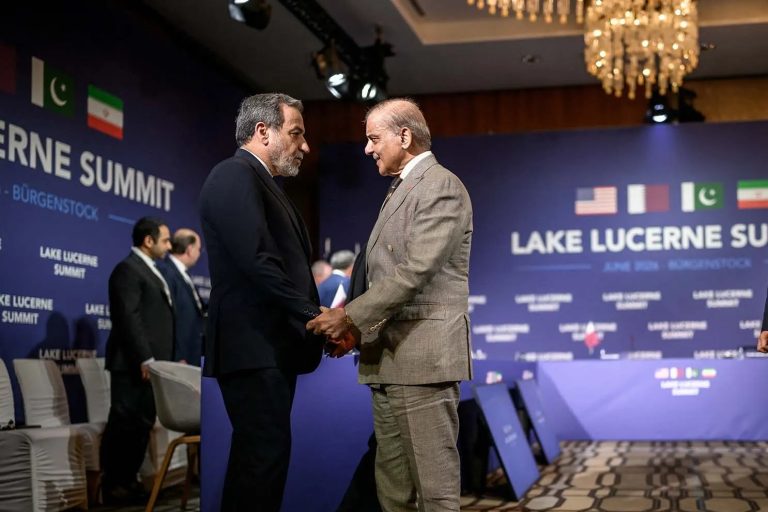
The high-stakes Islamabad talks have ended without a breakthrough, leaving the fragile US-Iran ceasefire in structural limbo. Led by Vice President JD Vance and Iranian Speaker Ghalibaf, the 21-hour session marked the first direct diplomatic engagement between the two nations in over a decade. While Pakistan successfully facilitated a “Hormuz Passage” trial for supertankers, the insurmountable divide over nuclear commitments and sanctions relief highlights the immense challenge of turning a temporary pause into a lasting settlement.

Read More »
A crowd of people, including women and children, waving Iranian flags during a nighttime demonstration.

The US-Iran Ceasefire: A Pause in the War, Not the End of It

A Pakistan-brokered ceasefire has pulled the Middle East back from the brink, suspending 40 days of US-Israeli strikes on Iran. While global markets reacted with relief and oil prices slid to $103, the 14-day truce remains fragile. Major hurdles persist in Islamabad negotiations, including Iran’s 10-point plan, the status of US regional bases, and the unresolved conflict in Lebanon.

Read More »
Soldiers in military gear during a coastal landing operation with a transport vessel.

Iran’s Special Forces: A Decentralized Defense Strategy

The Iranian military response to Operation Epic Fury has confirmed what many analysts suspected: the “Mosaic Defense” doctrine is not just a theoretical framework, but a functional, decentralized reality. While Western intelligence spent decades focused on the Quds Force, the first month of the 2026 war has demonstrated that Iran’s true resilience lies in its provincial special forces and maritime commandos.

Read More »
A soldier in full camouflage gear and tactical equipment running across a sandy, uneven terrain.

Why a Ground War in Iran Would Break the U.S. Military

The Pentagon’s reported shift toward “limited ground operations” marks the most dangerous inflection point of the war. After a month of air supremacy has failed to break the blockade of the Strait of Hormuz, Washington is considering a move that military historians warn could lead to a strategic collapse of the U.S. armed forces.

Read More »
Illustration of Arash the Archer firing missiles instead of arrows in a modern geopolitical art style.

Iran Won’t Break. But It Might Implode From Within.

Iran’s deep cultural cohesion and the IRGC’s tightening grip mean the regime won’t collapse under foreign pressure, but the war is accelerating internal tensions that could push the country toward an eventual implosion driven from within rather than imposed from outside.

Read More »
Large outdoor gathering in Iran featuring portraits of Ayatollah Khamenei and Ebrahim Raisi with national flags and a crowd background.

Why the Islamic Republic Won’t Surrender and Can’t Be Made To

Iran’s regime, built for crisis and sustained by the IRGC’s deep entrenchment, can absorb U.S. and Israeli strikes without collapsing; external pressure only hardens its resolve, ensuring the conflict shifts into prolonged asymmetric retaliation rather than surrender, leaving Washington facing an adversary it cannot defeat or coerce into ending the war.

Read More »
Thick black smoke rising from industrial oil storage tanks near a port facility.

US is Using Clone Drones for False Flag Attacks on Gulf States

Iran claims the U.S. and Israel are staging false‑flag attacks on Gulf states using LUCAS drones — an American system modeled on the Shahed. The allegation, unverified but strategically potent, aims to sow doubt among Gulf partners already shaken by the war and to fracture Washington’s fragile regional alignment.

Read More »