Tag: Nuclear Negotiations

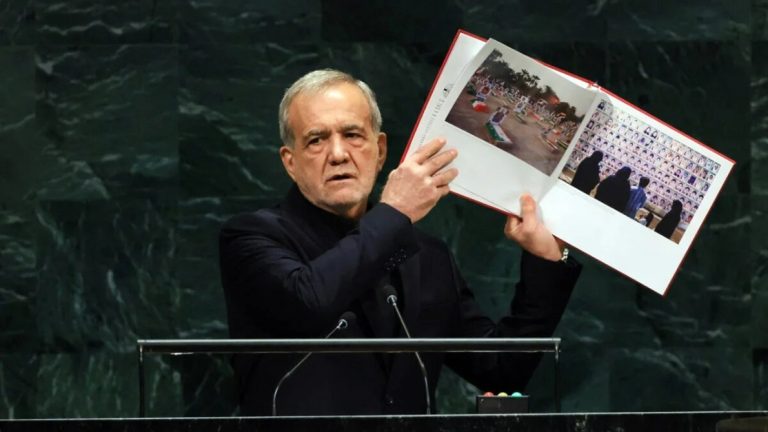
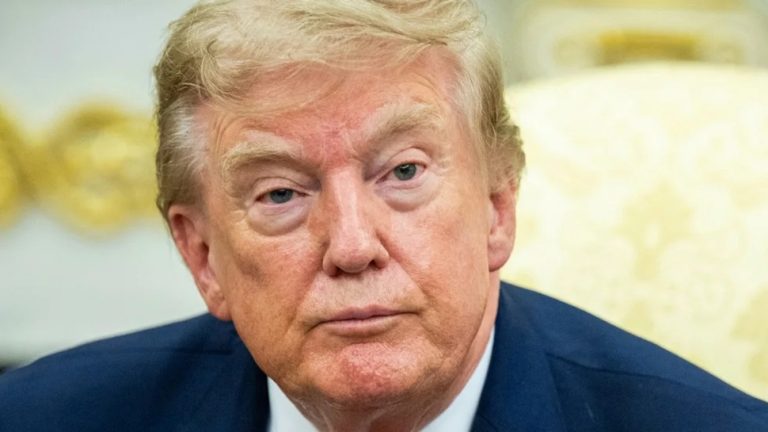
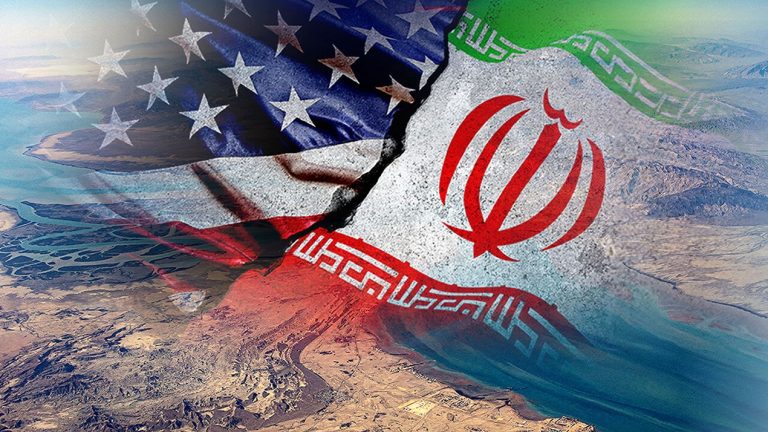
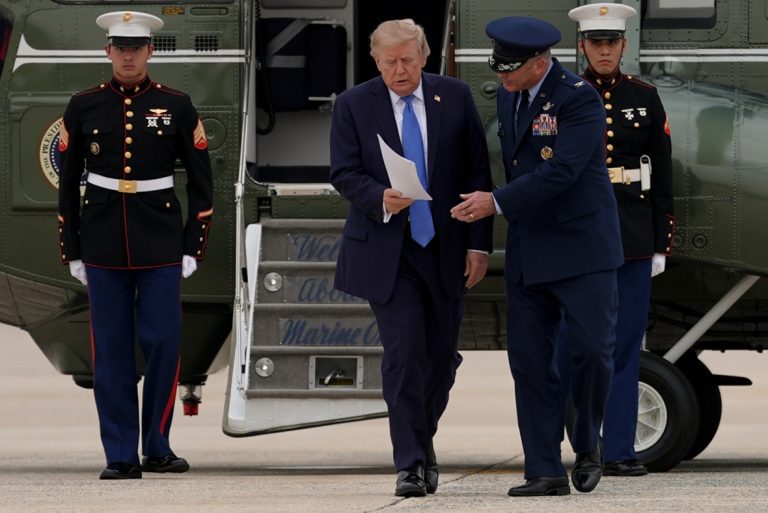
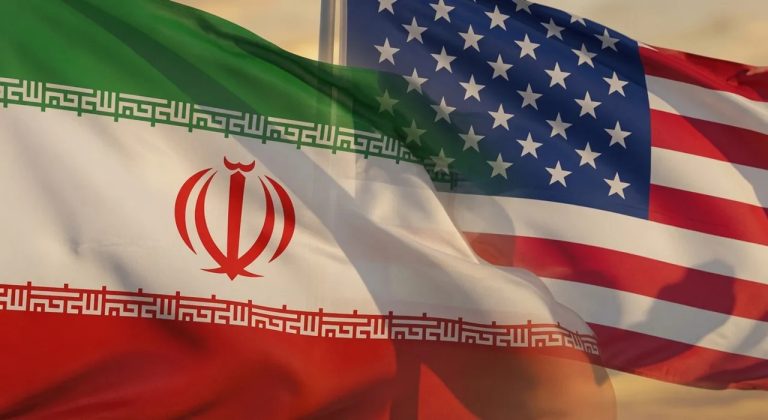
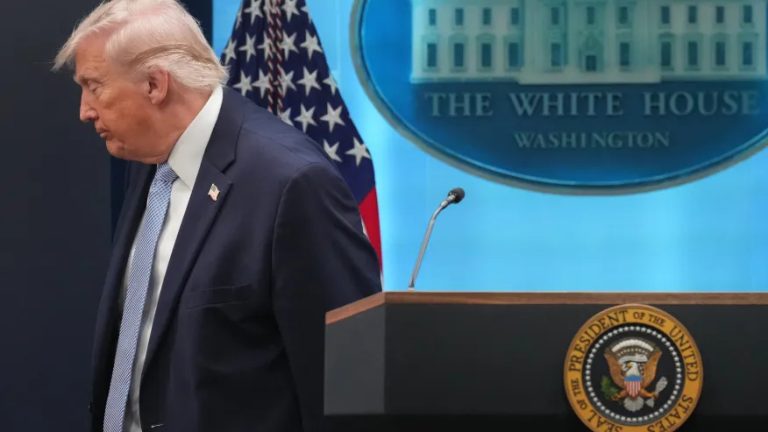
Donald Trump and an Iranian official superimposed over American and Iranian flags.

US-Iran Talks Are Failing And Both Sides Know It

This analysis examines the current collapse of US-Iran diplomatic efforts following the February 2026 outbreak of hostilities. By exploring the non-negotiable demands presented by Washington and Tehran’s defiant response, the article highlights the strategic impasse currently defining the conflict, including the continued blockade of the Strait of Hormuz and the precarious nature of the shaky, ongoing ceasefire.

Read More »

Iran’s Hardliner Rift Tests US Diplomacy

Iran’s political landscape is facing a significant test as internal friction between ultra-hardliners and pragmatists complicates indirect diplomatic efforts with the U.S. While economic pressure and new leadership push Tehran toward measured engagement, ideological spoilers remain a challenge, highlighting a calculated struggle over the regime’s survival and future stability.

Read More »
A crowded anti-war protest in Times Square, New York City, with demonstrators holding yellow signs that read "HANDS OFF IRAN!" and "NO NEW US WAR IN THE MIDDLE EAST!" while photographers capture the scene.

Hormuz Blockade Tests Iran’s Resilience and US Resolve

The ongoing U.S. naval blockade of Iranian ports has turned the Strait of Hormuz into a volatile arena. While Washington aims to squeeze Tehran’s economy to force nuclear concessions, Iran is leveraging its geographic control over global oil supplies, shifting the economic burden onto international markets and testing American endurance.

Read More »
Wide-angle view of the empty United Nations General Assembly hall in New York with the UN emblem on the golden front wall.

The NPT’s Last Chance: Can New York Save Nuclear Diplomacy?

As the 2026 NPT Review Conference opens in New York, the global non-proliferation regime faces its most existential threat since the Cold War. Against a backdrop of active strikes on nuclear sites and the total collapse of U.S.-Russia arms control, diplomats must navigate a perfect storm of regional warfare and systemic mistrust. With Article VI commitments stalled and China’s arsenal surging to 600 warheads, the next four weeks will determine if the NPT remains a pillar of security or becomes a relic of a bypassed era.

Read More »
A U.S. military official speaking at a Pentagon press briefing with a screen showing a large container ship emitting smoke at sea.

Extended Iran Ceasefire Leaves US Facing Tough Choices

President Trump’s indefinite extension of the Iran ceasefire marks a strategic pause in the 2026 war, yet the path to peace remains blocked by a “triumvirate” of IRGC hardliners in Tehran and a rigid U.S. naval blockade. With oil prices surging to $107 and direct talks in Islamabad stalled, the administration faces a critical choice: can diplomacy survive a “military council” that has effectively sidelined Iran’s civilian government?

Read More »
A silhouette of a US Navy aircraft carrier at sea during sunset with a fighter jet taking off.

US Iran Blockade Highlights Timing Challenges

The U.S. naval blockade of Iran, while intended to force concessions, has become a strategic bottleneck. Implemented after open hostilities had already commenced, the measure has inadvertently narrowed the space for diplomacy, prompting Iran to decentralize its operations and use the Strait of Hormuz as a counter-lever. This report examines the high cost of delayed coercive sequencing in a rapidly escalating regional conflict.

Read More »
A large mural on a building in Tehran featuring historical figures and naval ships, with birds flying in the foreground.

Hormuz Standoff Tests Limits of International Law

The extension of the US-Iran ceasefire has shifted the battlefield to the legal and maritime domain. In the Strait of Hormuz, competing interpretations of international law—specifically the tension between UNCLOS transit rights and the laws of naval warfare—have created a volatile equilibrium. With 20% of global oil at stake, this managed confrontation tests the limits of international oversight and the resilience of global supply chains.

Read More »
A portrait of Donald Trump looking directly at the camera with a serious expression, wearing a blue suit and purple tie.

US-Backed Figures Risk Familiar Fate in Iran Crisis

A recurring pattern in American foreign policy—the cultivation of local proxies for regime change—is once again playing out in the Iran conflict. From exiled figures to ambitious local politicians, those seeking power through external sponsorship often ignore the cautionary tales of the past. History suggests that such collaborations are inherently fragile, frequently ending in isolation or abandonment once Washington’s strategic priorities shift.

Read More »
Donald Trump looking sternly as Shehbaz Sharif speaks at a podium during a formal event.

Pakistan’s Mediation Bid in Iran-US Crisis

Pakistan has emerged as a pivotal mediator in the ongoing US-Iran crisis, hosting historic high-level talks in Islamabad. Driven by urgent energy security needs and the risk of border instability, Pakistan is leveraging its unique relationships with both Tehran and Washington. However, as it seeks to translate diplomatic utility into economic investment, the shadow of past transactional relationships with the US looms over its strategic calculations.

Read More »
A row of blue banners on a street promoting "Islamabad Talks" for April 2026, featuring flags of the USA, Pakistan, and Iran.

Hormuz Opening Offers Path Past Iran Stalemate

As the second round of Islamabad talks stalls, a new “open for open” proposal is gaining traction as a way to decouple global energy security from the thorny US-Iran nuclear dispute. By mutually lifting naval blockades in the Strait of Hormuz, both nations could ease massive economic pressures without requiring immediate concessions on core strategic issues, providing a much-needed cooling-off period.

Read More »
JD Vance speaking at a podium with the US Seal during a formal briefing.

The US–Iran Peace Puzzle: Why Islamabad Didn’t Deliver

The collapse of the Islamabad talks has exposed the deep-seated mistrust and “maximalist” positions hindering a US-Iran peace deal. While a fragile ceasefire holds until April 22, the 15-year gap in nuclear enrichment proposals and the ongoing naval blockade of the Strait of Hormuz suggest that both nations are still far from a sustainable regional settlement.

Read More »
A digital maritime map showing heavy shipping traffic and vessel icons in the Strait of Hormuz.

Strait of Hormuz: A Blockade Both Sides Can’t Afford to Lose

The U.S. naval blockade of Iran’s coast has turned the Strait of Hormuz into a high-stakes endurance test. While Iran faces critical oil storage limits and a crippled economy, Washington must navigate global energy shortages and domestic political pressure, making the next round of talks vital for regional stability.

Read More »