The brief lull in hostilities between Washington and Tehran has shattered, returning the Middle East to the brink of open conflict. A ceasefire memorandum signed in June collapsed this month after Iranian forces attacked commercial vessels transiting the Strait of Hormuz. The Islamic Republic demanded ships enter its territorial waters and pay transit fees, directly violating the spirit of the agreement. In response, American bombers struck Iranian military installations, and the White House reimposed a blockade on Iranian oil exports. This rapid escalation leaves both nations trapped in a dangerous cycle with no clear resolution.
The June understanding was supposed to de-escalate the four-month conflict. Washington agreed to unfreeze billions in Iranian assets and lift sanctions, hoping Tehran would restore normal shipping lanes. Instead, Tehran pocketed the economic relief, earning an estimated five billion dollars in resumed oil exports, and continued to hold global energy markets hostage. The strait carries roughly twenty percent of the world’s daily oil supply. By asserting military control over the waterway, Iran demonstrated its ability to disrupt the global economy at will.
A Limited War With Limited Returns
The renewed fighting highlights a persistent strategic dilemma for the White House. Airstrikes can degrade infrastructure, but they cannot force a determined regime to capitulate. During the initial thirty-nine days of bombing earlier this year, Iranian military capabilities suffered damage, yet the government survived and its missile stockpiles remained a direct threat to regional stability. Achieving true regime change would require a massive ground invasion involving hundreds of thousands of troops. That scenario is politically impossible today. Recent polling indicates that sixty percent of the American public believes the conflict is not worth fighting. With an election cycle approaching, launching an unpopular, large-scale land war is simply not viable.
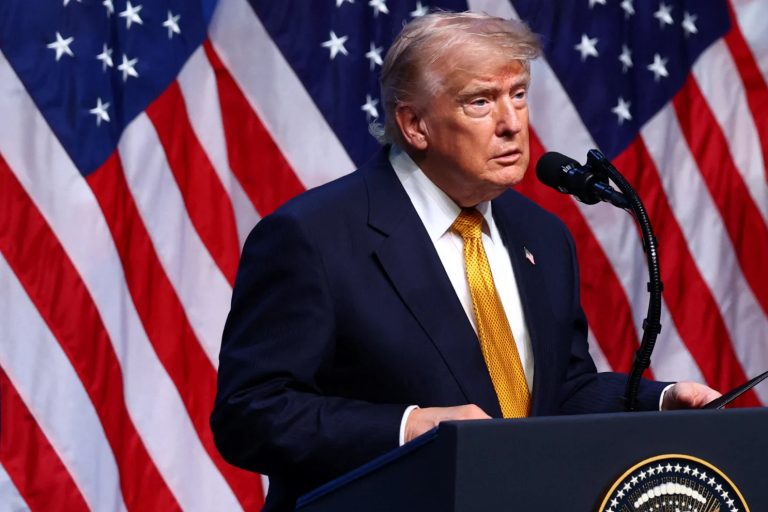
Consequently, the administration is left fighting a limited war with limited tools. Defense Secretary Pete Hegseth has echoed the president’s aggressive rhetoric, but military reality constrains both men. Iran’s strategy relies on asymmetrical coercion—threatening neighboring oil infrastructure and deploying fast attack craft to harass commercial shipping. This approach effectively neutralizes America’s conventional superiority. The administration even threatened to charge its own tolls on cargo passing through the strait, a move that abandons the traditional American commitment to free navigation. While this declaration was likely a negotiating bluff—and President Trump has since pivoted toward seeking trade and investment deals with Gulf states instead—it signals a dangerous willingness to sacrifice long-standing maritime norms to secure a short-term political victory.
The Historical Trap of Coercion
The current impasse reflects a classic geopolitical trap. Previous administrations have consistently struggled to coerce Iran through military means without triggering wider regional conflagration. Airstrikes alone rarely alter a determined adversary’s strategic calculations. As long as Tehran believes the political costs of American escalation outweigh the military pressure it faces, it will continue to absorb damage and retaliate through proxy networks. Recent history shows that maritime security in the Persian Gulf requires multilateral cooperation, not unilateral blockades.
The president now faces a binary choice, and neither option is particularly appealing. He can either acquiesce to Iran’s toll demands to keep the waterway open, essentially rewarding aggressive behavior, or he can risk a major military escalation that defies public sentiment. Every additional strike deepens the economic disruption and pushes the region closer to a total war nobody wants. The collapse of this ceasefire serves as yet another reminder that starting a conflict based on wishful thinking is far easier than finding a dignified exit. Without a fundamental shift in approach, the United States and Iran will remain locked in a violent stalemate that destabilizes the entire globe.
Original analysis inspired by Max Boot from Council on Foreign Relations. Additional research and verification conducted through multiple sources.