Tag: Sanctions

Donald Trump and an Iranian official superimposed over American and Iranian flags.

US-Iran Talks Are Failing And Both Sides Know It

This analysis examines the current collapse of US-Iran diplomatic efforts following the February 2026 outbreak of hostilities. By exploring the non-negotiable demands presented by Washington and Tehran’s defiant response, the article highlights the strategic impasse currently defining the conflict, including the continued blockade of the Strait of Hormuz and the precarious nature of the shaky, ongoing ceasefire.

Read More »
A crowd of people with a Cuban flag held high.

Is Cuba the Next Venezuela? Washington’s Escalation Playbook

This analysis examines the escalating U.S. pressure campaign against Cuba, characterized by intelligence leaks, criminal indictments, and economic blockades. By comparing these developments to the strategic framework used against Venezuela, the article explores how Washington is methodically constructing a legal and political pretext to justify potential future military intervention.

Read More »
Two individuals holding the Syrian opposition flag in front of the White House.

Why Syria Must Build Lasting US Ties

This article evaluates the precarious state of the nascent US-Syria relationship following recent diplomatic breakthroughs. While shared security objectives have fostered cooperation, reliance on temporary alliances and personal networks leaves the partnership vulnerable to future political shifts. We analyze the strategic necessity for Damascus to institutionalize ties, prioritize economic engagement, and implement governance reforms to ensure long-term stability and international support.

Read More »
A U.S. Navy warship sailing past commercial cargo container ships in a maritime chokepoint.

Hormuz Proved Chokepoints Can Be Weaponized. Asia Is Next.

This analysis explores the systemic vulnerability of global maritime chokepoints, highlighted by the recent closure of the Strait of Hormuz. We examine how drone technology and insurance market manipulation create catastrophic economic risks, with specific focus on Asia’s critical passages. The piece evaluates the geopolitical implications for China, the United States, and the intensifying competition over secondary trade corridors.

Read More »
Vladimir Putin speaking at a podium with Russian and Chinese flags in the background.

Why US Pressure Keeps Pushing Moscow and Beijing Closer

This analysis explores the resilience of the Sino-Russian partnership, arguing that Western pressure has inadvertently solidified their cooperation. By examining the shift from ideological alignment to a partnership built on shared threats—and analyzing the failure of recent U.S. “wedge strategies”—we highlight why Moscow and Beijing view their collaboration as an indispensable strategic necessity, even amidst growing economic asymmetries and localized frictions.

Read More »
A man holding a large Iranian flag in front of a massive billboard showing a close-up of a human face with lips tied together and text that reads "At The Breaking Point".

Iran War Shows the New Meaning of Power

This analysis explores how the Iran war highlights the shifting dynamics of global influence. While Western and Israeli military reach inflicts significant strain, Tehran’s endurance exposes the declining efficacy of unilateral American pressure. The conflict underscores a harsher strategic reality: traditional firepower no longer guarantees political compliance in a multipolar world.

Read More »
A silhouette of a crumbling Statue of Liberty against a setting sun, symbolizing national decline.

Why American Power Is Eroding From Within

This article argues that America’s greatest vulnerabilities lie in fiscal overstretch and a reliance on force over diplomacy. By prioritizing foreign interventions while domestic infrastructure and political institutions erode, Washington risks long-term instability. The piece advocates for strategic restraint and internal reinvestment to restore sustainable global leadership and national health.

Read More »
A person holding a long red dragon banner on a Shanghai waterfront with the Pudong skyline in the background.

Why China Holds Fewer Cards in Trade Tensions

Recent analysis suggests that while China’s export controls on critical minerals create short-term friction, Beijing’s broader economic leverage is declining. With real GDP growth estimated at roughly half the official target and a shrinking trade surplus with the U.S., China remains disproportionately dependent on Western markets. This structural vulnerability, combined with persistent property sector and debt issues, limits Beijing’s ability to sustain a prolonged economic confrontation without significant domestic repercussions.

Read More »
A digital composite of the Iranian flag, ballistic missiles, and a nuclear mushroom cloud.

Iran’s Defiance Tests Trump’s Resolve in Nuclear Standoff

President Trump’s recent rejection of Iran’s peace proposal has pushed the fragile Middle East ceasefire to the brink of collapse. As Tehran refuses to dismantle its nuclear infrastructure despite military pressure and “Project Freedom” naval escorts, the standoff threatens global energy stability and complicates international preparations for the 2026 World Cup.

Read More »

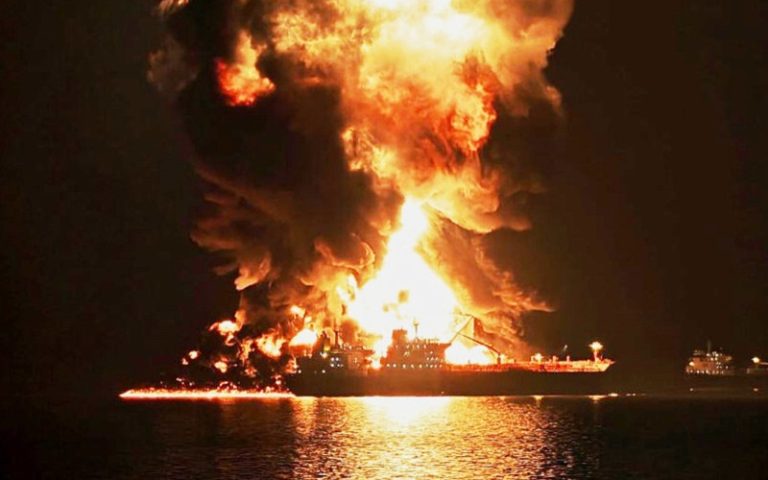
Oil Inventories Near Critical June Threshold

The world faces an unprecedented energy crisis as usable oil inventories plummet toward an eight-year low. With 14 million barrels of Middle East production offline, massive supply draws are forcing factory shutdowns and fuel rationing across Asia, testing global economic resilience and pushing Brent crude toward a dangerous June breaking point.

Read More »

Iran War Exposes US Policy Contradiction

The Iran war has pushed U.S. policy into contradiction, exposing clashing goals on Iran’s regime and nuclear limits while driving costs higher and yielding few gains—fueling domestic frustration as the conflict drags on.

Read More »