
Trump’s New Tariffs Hit Asia at the Worst Possible Moment
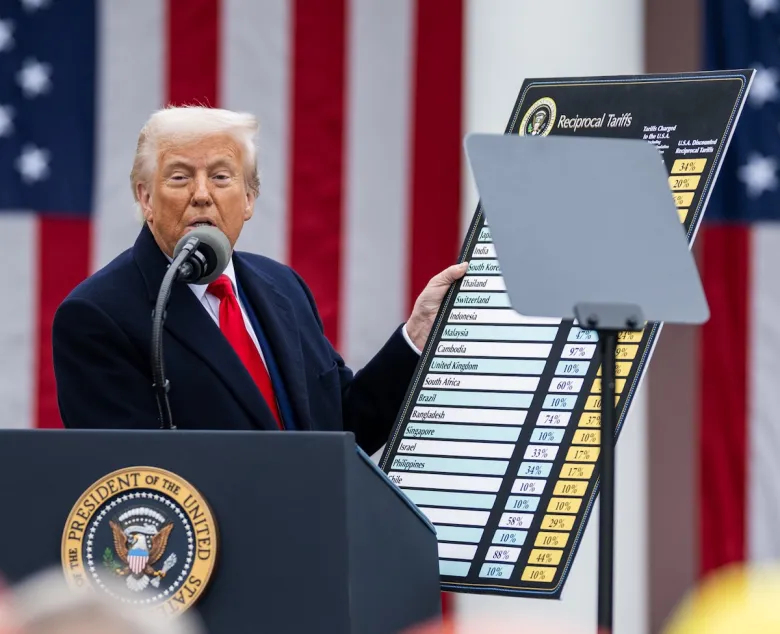
This analysis explores the economic fallout of the Trump administration’s latest tariff strategy following the Supreme Court’s rejection of previous measures. By invoking Section 301 investigations against 60 economies, Washington is reshaping its trade policy amid an already volatile global environment. This post details the compounding impact on Asian markets, which are currently grappling with currency depreciation, high oil prices, and the broader consequences of the recent US-Iran conflict. We examine how these broad-based tariffs create significant compliance uncertainty for global supply chains, strain relationships with key allies, and threaten to increase costs for American households. Ultimately, the article questions the effectiveness of this aggressive trade posture, noting that previous efforts failed to substantively alter industrial policies while creating persistent economic instability.
The Middle East Can No Longer Rely on One Superpower

This article explores the structural shift in Middle Eastern geopolitics, where the long-standing reliance on a single US-led security order is rapidly eroding. The 2026 conflict between the United States and Iran has laid bare the divergence between Washington’s military dominance and the region’s increasing economic integration with China. As American strategic interests become more detached from global energy flows, regional powers are seeking greater autonomy through “de-intermediation”—directly managing their own disputes and exploring nonaggression frameworks. We examine how this transition, from a reliance on external guarantors to a homegrown regional architecture, represents a defining moment for the Middle East as it seeks to move from an arena of great-power competition to an active geopolitical player.
Sexual Torture in Israeli Prisons: A Pattern of Systematic Abuse
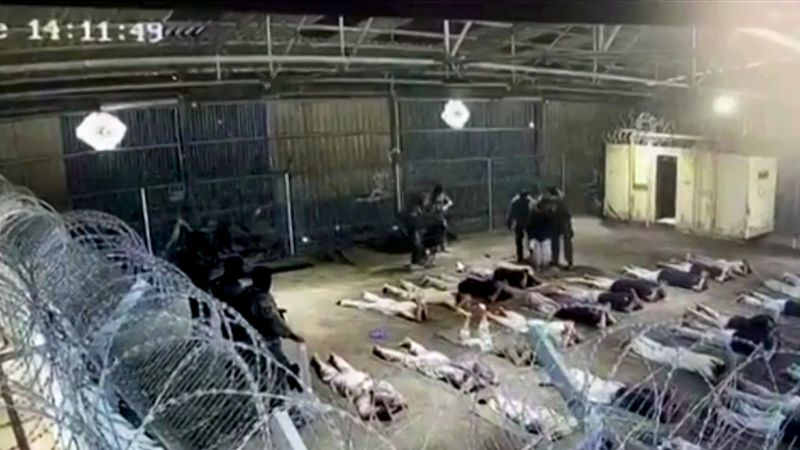
This analysis examines recent reports concerning systemic sexual violence within Israeli detention facilities. Drawing on verified data from international bodies and human rights organizations, we explore the patterns of abuse documented since 2023, particularly regarding the Sde Teiman facility. The article addresses the critical issue of impunity, the weaponization of legal access, and the profound impact of these practices on vulnerable populations, including minors. By reviewing the failure of internal accountability mechanisms and the persistent lack of transparency, this post underscores the urgent need for international oversight to address these documented human rights violations.
Operation Epic Fury Cost $40 Billion. The Budget War Is Just Starting.
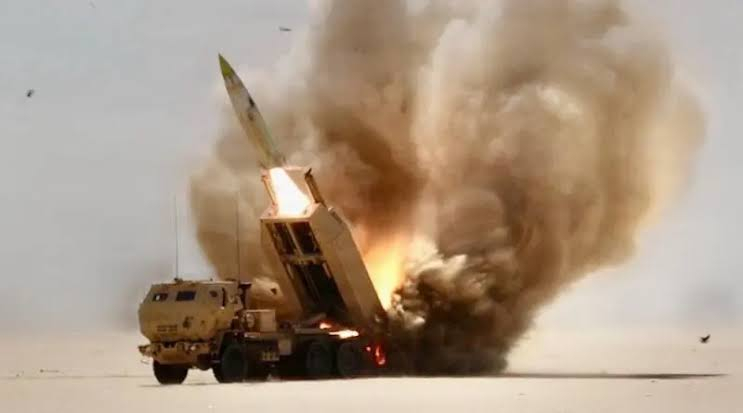
This analysis breaks down the true financial cost of Operation Epic Fury, detailing the gap between official Pentagon estimates and the broader economic reality. While direct military expenditures reached at least $40 billion, the total impact—including global fuel price surges, infrastructure damage, and the long-term liability of veterans’ care—highlights a significant fiscal challenge. As Congress faces the prospect of supplemental appropriations, the administration must navigate not only the immediate budget shortfall but also the political implications of a war that has cost American households over $130 billion. We examine the structural flaws in current defense accounting and the long-term economic burden that will persist long after the ceasefire.
Losing the Iran War Was Inevitable. Ending It Was Right.
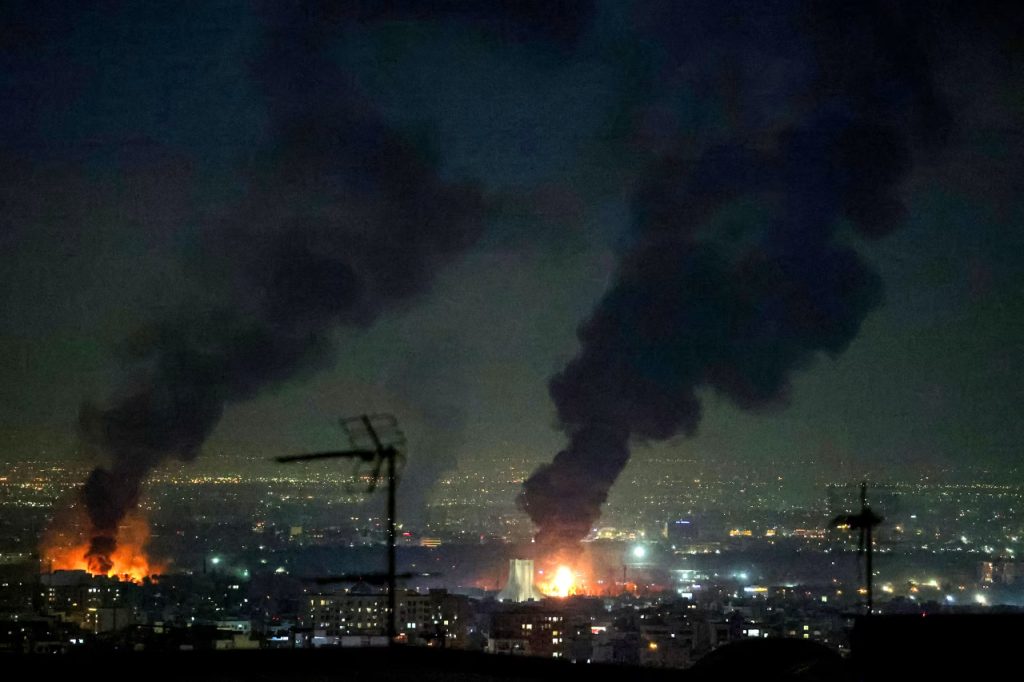
This analysis evaluates the conclusion of the 2026 US-Iran conflict, framing the ceasefire as a necessary step after a campaign that failed to meet its ambitious objectives. By drawing parallels to the 1956 Suez Crisis, we examine how the war exposed the limits of American strategic primacy and the dangers of military overstretch in the Middle East. Ultimately, the article argues that the path forward requires a fundamental reassessment of regional alliances, energy vulnerability, and the necessity of shifting toward a more sustainable and patient diplomatic posture.
America, Iran, and a World in Turmoil

A Conversation With Ian Bremmer