Tag: Arms Trade

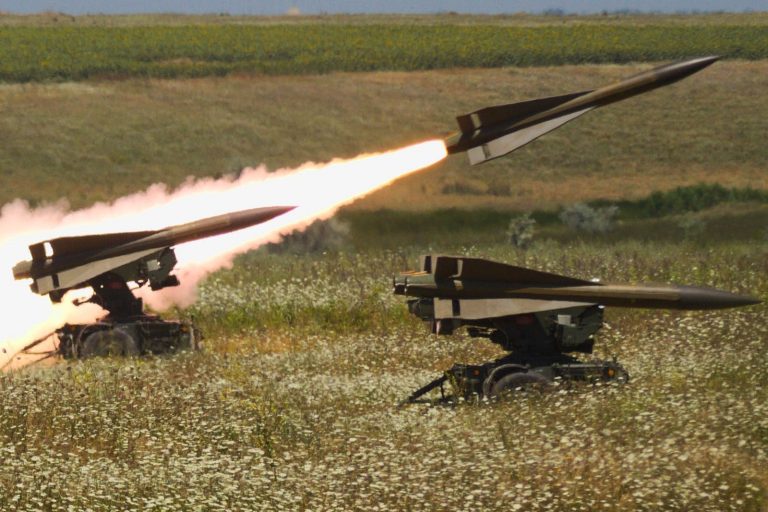
A mobile launcher firing a missile in a desert environment, surrounded by a large cloud of dust and fire.

Operation Epic Fury Cost $40 Billion. The Budget War Is Just Starting.

This analysis breaks down the true financial cost of Operation Epic Fury, detailing the gap between official Pentagon estimates and the broader economic reality. While direct military expenditures reached at least $40 billion, the total impact—including global fuel price surges, infrastructure damage, and the long-term liability of veterans’ care—highlights a significant fiscal challenge. As Congress faces the prospect of supplemental appropriations, the administration must navigate not only the immediate budget shortfall but also the political implications of a war that has cost American households over $130 billion. We examine the structural flaws in current defense accounting and the long-term economic burden that will persist long after the ceasefire.

Read More »
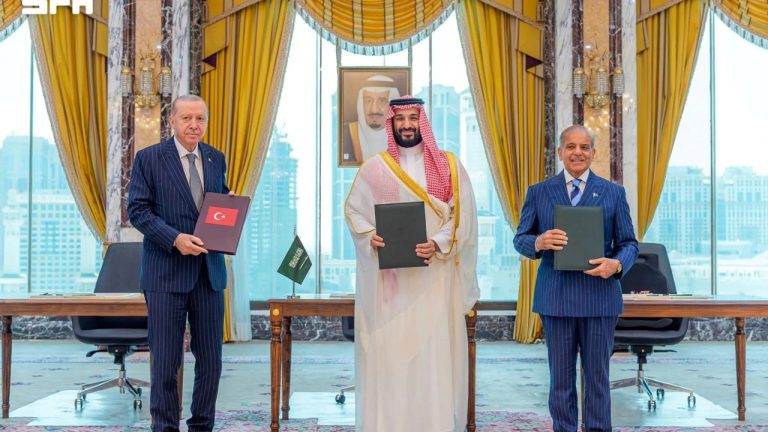
Diplomatic representatives from Egypt, Pakistan, Turkey, and Saudi Arabia at the Antalya Diplomacy Forum.

Iran War Forces Middle East Security Realignment

The war with Iran has shattered the assumption that US military presence guarantees security. Regional powers are now diversifying their strategic ties, creating a patchwork of flexible, issue-based partnerships. This shift reflects a move away from rigid, single-patron alliances toward a more pragmatic, self-reliant regional order.

Read More »
Donald Trump and Benjamin Netanyahu seated in chairs at the White House.

Trump Holds the Cards Over Netanyahu — Will He Play Them?

This analysis examines the strategic opportunity for the Trump administration to exert pressure on Israeli Prime Minister Benjamin Netanyahu ahead of the October 2026 Knesset elections. Despite legislative efforts in the U.S. House to deeply integrate U.S.-Israel defense and intelligence systems, the author argues that the White House holds substantial transactional leverage. By conditioning this “legislative prize” on verifiable Israeli cooperation regarding a ceasefire and Palestinian self-determination, the administration could pivot away from its current role as a passive observer and actively steer the region toward stability, forcing a confrontation between Netanyahu’s wartime political strategy and essential American foreign policy objectives.

Read More »
A man in a suit sitting at a table, viewed from behind a U.S. House of Representatives seal.

Trump’s Quiet Plan to Revive the Weaponization Fund

This investigation reveals the tactical pivot behind the Trump administration’s apparent abandonment of its controversial $1.776 billion “Anti-Weaponization Fund.” While public testimony before Congress suggested the scheme was terminated, evidence suggests the Justice Department is instead utilizing the 1946 Federal Tort Claims Act as an alternative mechanism to compensate allies. By facilitating out-of-court settlements, the administration maintains a pathway for taxpayer funds to reach supporters—including January 6 defendants—bypassing the legislative and judicial scrutiny that initially froze the formal commission. The piece analyzes how this pattern of public retreat and quiet operational maneuvering continues to challenge the limits of executive power and the integrity of the U.S. Treasury.

Read More »
Donald Trump and Benjamin Netanyahu stand together in formal attire.

The Stalemate Washington Thinks It’s Winning — But Isn’t

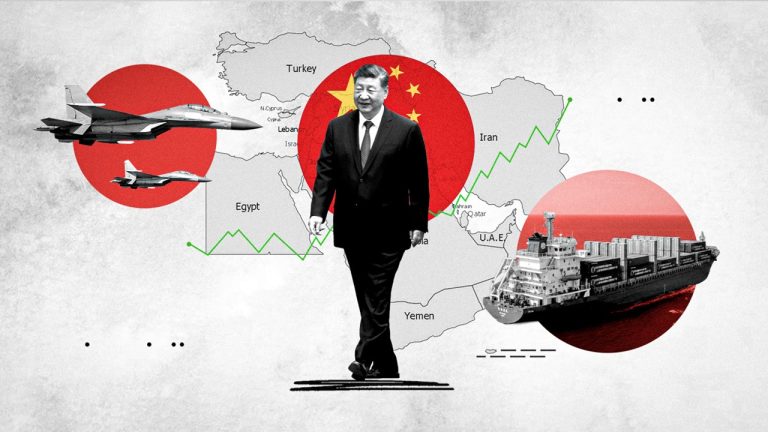
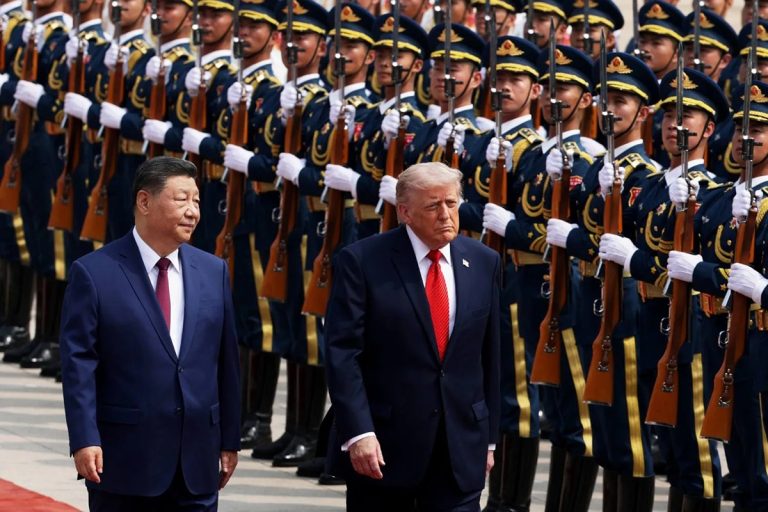
This analysis deconstructs the current U.S.-China diplomatic stalemate, arguing that Washington’s reliance on superficial deal-making and optics masks a deepening structural imbalance. While the U.S. remains distracted by regional conflicts in the Middle East, China is leveraging its rare-earth export controls, record trade surpluses, and expanded manufacturing dominance to consolidate power. The piece warns that by misinterpreting this managed paralysis as a victory for strategic stability, American policy is inadvertently allowing China to solidify long-term gains that will prove increasingly difficult to reverse.

Read More »
U.S. Navy sailors stand at attention on the deck of a naval vessel.

America’s Navy Is Winning Battles and Losing the Maritime Order

This analysis explores the critical disconnect between American naval superiority and the declining stability of the global maritime order. Despite massive expenditures, the U.S. fleet struggles with coercive asymmetric threats and a structural lack of domestic industrial capacity. The piece argues that reactive, ad hoc responses are insufficient to counter systemic vulnerabilities and the rise of China’s maritime infrastructure, necessitating a comprehensive strategic framework to address the realities of modern maritime disorder.

Read More »
Turkish President Recep Tayyip Erdoğan speaking at a podium with Turkish and Israeli flags in the background.

The Iran War Is Handing Turkey a Regional Opportunity It Did Not Ask For

The aftermath of the US-Iran conflict has unexpectedly positioned Turkey as a central player in regional security and trade. By leveraging its growing defense industry and anchoring vital alternative trade corridors like the Iraq Development Road, Ankara is capitalizing on Gulf states’ desires for strategic autonomy. This post analyzes how Turkey’s diplomatic maneuvering and new regional alignments, including the emerging Turkey-Pakistan-Saudi-Egypt quartet, are reshaping the Middle Eastern economic and geopolitical landscape.

Read More »
Trump and Xi Jinping shaking hands during a formal meeting.

Trump’s Taiwan Arms Freeze Is a Strategic Gift to Beijing

The Trump administration’s decision to pause a significant arms package to Taiwan marks a departure from four decades of bipartisan defense strategy. By conditioning military support on bilateral relations with Beijing, this move undermines the Six Assurances and raises critical questions about Washington’s long-term reliability among its Indo-Pacific treaty allies.

Read More »
A U.S. F-16 fighter jet in flight, representing military power and global base presence.

America’s Empire of Bases Is Starting to Cost Its Hosts Too Much

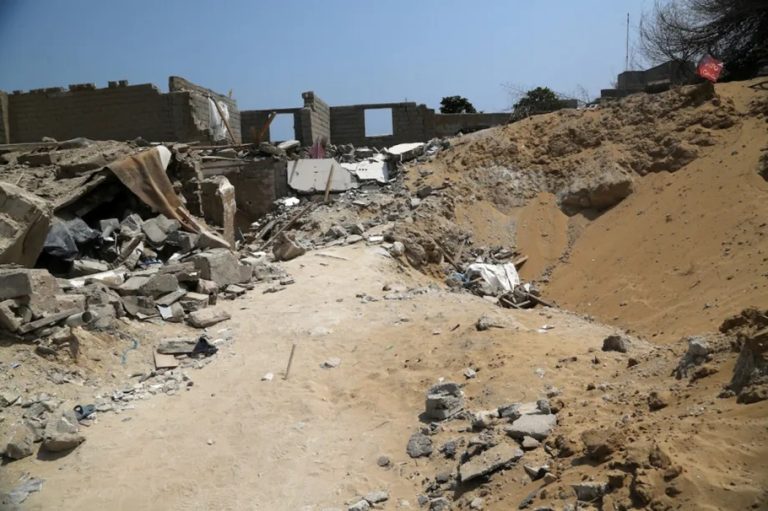
This analysis examines the growing strategic liability of the U.S. “empire of bases” in the Middle East. As the ongoing conflict with Iran reveals the vulnerability of host-nation infrastructure—exemplified by the devastating June 3 attack on Kuwait International Airport—we explore how the proliferation of low-cost, high-impact drone and missile technologies has fundamentally inverted the security guarantee the U.S. once provided. We assess whether the increasing risk of hosting U.S. forces will lead to a systemic denial of access, potentially forcing a retraction of American global reach and fundamentally altering the future of U.S. military power.

Read More »
Turkish President Recep Tayyip Erdoğan walking through a crowded assembly hall.

Turkey Is Building the Military Network Iran Could Never Assemble

This analysis examines Turkey’s ambitious regional military strategy as demonstrated at the EFES-2026 exercise. By hosting troops from across North Africa and the Levant—including previously fractured Libyan factions and Syria’s newly reconstituted army—Ankara is moving beyond the proxy-based influence models of the past. We explore how Turkey is leveraging its institutional legitimacy and NATO status to formalize a durable military network, effectively creating a new strategic reality in the Middle East that challenges Israeli security planning and reshapes the regional balance of power.

Read More »
TV news broadcast showing Donald Trump and Xi Jinping shaking hands.

Indo-Pacific Allies Rethink Security After Trump’s Taiwan Gamble

This analysis explores the growing crisis of confidence among U.S. Indo-Pacific allies following recent shifts in Washington’s Taiwan policy. As traditional deterrence mechanisms face strain, key partners like Japan and South Korea are accelerating defense transformations and reconsidering long-standing nuclear restraint policies, signaling a profound shift in regional security architecture.

Read More »
US President Donald Trump waving from the doorway of Air Force One while officials on the tarmac watch.

Why Delaying Taiwan’s Arms Sales Weakens Deterrence

This article criticizes the decision to hold Taiwan’s $14 billion arms package in abeyance as trade leverage with Beijing. Despite Taipei passing a crucial $25 billion defense budget, treating approved defensive hardware as a negotiating token weakens cross-Strait deterrence and risks inviting severe strategic miscalculation from a modernizing Chinese military.

Read More »