Tag: Energy Security

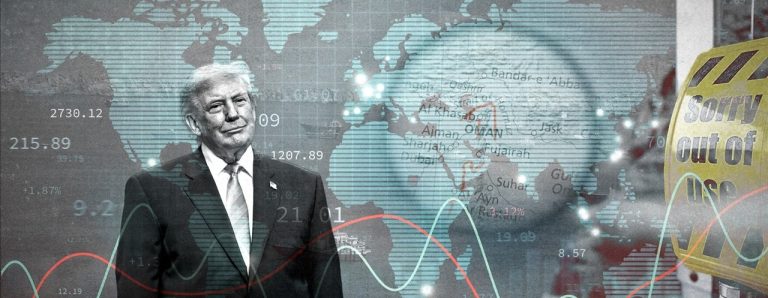
A black and white portrait of Donald Trump smiling among a crowd.

Trump’s Iran Ceasefire Is Bleeding American Credibility Dry

This analysis critiques the Trump administration’s current Iran policy, characterizing it as a “strategic trap.” Caught between the economic pressures of an oil blockade and the political necessity of a ceasefire, the US finds its leverage diminishing. The post examines how Tehran is successfully using the electoral calendar to neutralize American military dominance, while arguing that a return to full-scale escalation—as urged by some hawkish institutions—would likely trigger global economic instability and fail to achieve verifiable diplomatic concessions.

Read More »
Turkish President Recep Tayyip Erdoğan speaking at a podium with Turkish and Israeli flags in the background.

The Iran War Is Handing Turkey a Regional Opportunity It Did Not Ask For

The aftermath of the US-Iran conflict has unexpectedly positioned Turkey as a central player in regional security and trade. By leveraging its growing defense industry and anchoring vital alternative trade corridors like the Iraq Development Road, Ankara is capitalizing on Gulf states’ desires for strategic autonomy. This post analyzes how Turkey’s diplomatic maneuvering and new regional alignments, including the emerging Turkey-Pakistan-Saudi-Egypt quartet, are reshaping the Middle Eastern economic and geopolitical landscape.

Read More »
Donald Trump speaking during an official briefing, gesturing with his hands.

Trump’s Iran War Is Fracturing the Republican Party From Within

The recent 215-208 House vote to restrict President Trump’s war powers marks a significant turning point in Republican party cohesion. Driven by rising fuel costs, a stalled ceasefire, and growing electoral vulnerabilities, the conflict has become a political liability. This post explores the administration’s narrowing options amid deepening institutional opposition.

Read More »
Crowd waving Iranian flags at a public gathering during a geopolitical event.

Iran Is Not Trying to End This War — It Is Trying to Win the Peace

This analysis explores Iran’s strategic shift from a policy of survival to one of active conflict management. By examining the consolidation of hard-line domestic power, the effective weaponization of global energy markets through the closure of the Strait of Hormuz, and the cynical use of negotiations as a tactical delay, we assess how Tehran is positioning itself as a dominant pole in a new, multipolar regional order—regardless of the devastating domestic economic costs.

Read More »
US and Israeli officials sitting around a conference table during a high-level diplomatic meeting.

How Israel’s Veto Power Is Undermining US-Iran Diplomacy

This analysis examines the current collapse of diplomatic efforts between Washington and Tehran as of June 1, 2026. Following Israel’s intensified military operations in Lebanon—which Iran views as a breach of the ceasefire—Tehran has suspended indirect communications. We explore the implications of this breakdown for the Strait of Hormuz, the status of the proposed memorandum of understanding, and the escalating risks of a return to full-scale regional conflict.

Read More »
Artistic collage featuring the Iranian leader, Benjamin Netanyahu, and Donald Trump over a map.

Will the New US and Iran Peace Deal Mirror the JCPOA

This analysis examines the structural differences between the potential 2026 US-Iran agreement and the 2015 JCPOA. While both address nuclear concerns, the current negotiations are primarily driven by the urgent need to stabilize the Strait of Hormuz and resolve active military hostilities. We explore how this bilateral, crisis-led approach differs from the original multilateral framework and the challenges to achieving a lasting settlement.

Read More »
A composite image featuring a military figure, a port facility, and a newspaper front page highlighting US-Iran diplomacy.

Pakistan Iran Corridor Defies US Sanctions Pressure

This report explores how Pakistan has utilized its strategic position to activate overland trade routes with Iran, bypassing disruptions in the Strait of Hormuz. We analyze how Islamabad is balancing its relationship with Washington while securing domestic economic interests, asserting itself as a vital node in emerging Eurasian trade networks.

Read More »
A man holding a microphone in front of a massive building mural depicting a fist gripping the Strait of Hormuz and maritime shipping lanes.

Iran’s Strategic Ascent and the Collapse of US Gulf Dominance

This analysis examines the profound geopolitical shifts following three months of US-Iran hostilities. By exploring the closure of the Strait of Hormuz, the failure of traditional military strategies, and the rise of a new regional diplomatic architecture, we assess how Iran’s strategic ascent signals the end of the long-standing American-led order.

Read More »
Indian Prime Minister Narendra Modi shaking hands with the President of the UAE.

India’s Calculated Gamble in a Fractured Gulf

This analysis examines India’s evolving diplomatic strategy in the Gulf, marked by deepened ties with the UAE and nuanced engagement with regional powers. We explore how New Delhi manages the intersection of economic resilience and geopolitical maneuvering. The article assesses the challenges of maintaining strategic autonomy while navigating competition between China, Iran, and traditional security alliances in a fractured West Asian landscape.

Read More »
A U.S. Navy warship sailing past commercial cargo container ships in a maritime chokepoint.

Hormuz Proved Chokepoints Can Be Weaponized. Asia Is Next.

This analysis explores the systemic vulnerability of global maritime chokepoints, highlighted by the recent closure of the Strait of Hormuz. We examine how drone technology and insurance market manipulation create catastrophic economic risks, with specific focus on Asia’s critical passages. The piece evaluates the geopolitical implications for China, the United States, and the intensifying competition over secondary trade corridors.

Read More »
Saudi Crown Prince Mohammad bin Salman against a backdrop of the Iranian flag and historical diplomatic imagery.

GCC Rethinks Iran Strategy After Brutal War

This analysis examines the strategic shift within the GCC regarding Iran following recent regional conflicts. As energy security concerns rise, Gulf capitals are exploring non-aggression frameworks and diplomatic pathways to manage long-term tensions. We evaluate the feasibility of these proposals, the role of external mediators, and the path toward incremental stability.

Read More »
Alternating flags of China and Russia displayed at a summit.

Xi and Putin Unite Against Golden Dome at Beijing Summit

This analysis explores the strategic consolidation between Moscow and Beijing during the recent Beijing summit, where both leaders condemned the U.S. “Golden Dome” missile defense initiative. As energy ties deepen—driven by the disruptions of the ongoing Iran war—we examine how this anti-hegemonic alignment seeks to reshape the global security architecture while highlighting the growing structural asymmetry of the Russia-China relationship.

Read More »