Tag: Saudi Arabia

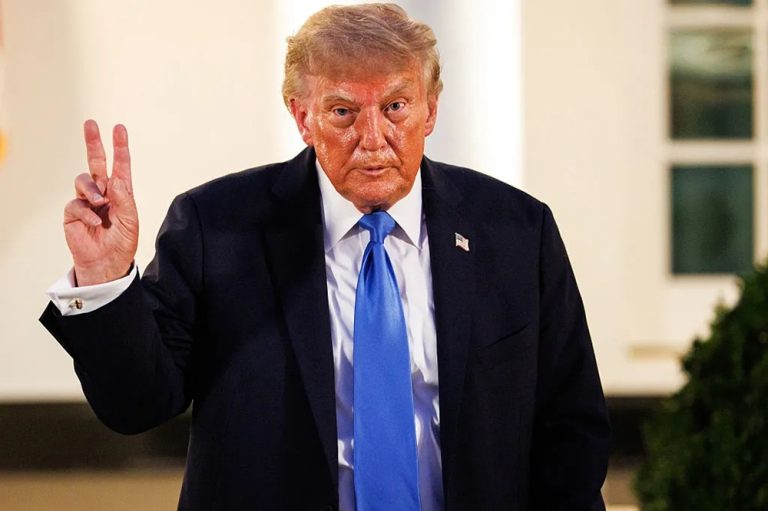
Former U.S. President Donald Trump making a peace sign gesture while wearing a suit and blue tie.

How Washington’s Strategy Unintentionally Inflamed the Middle East

An unintended escalation of Washington’s pressure strategy has expanded conflict across critical Middle Eastern trade routes. From Ansarallah forces seizing vital Yemeni port infrastructure to direct naval exchanges and accelerated reinforcement work at Iran’s Pickaxe Mountain nuclear site, aggressive risk-taking now threatens regional power dynamics and energy security.
Read More »
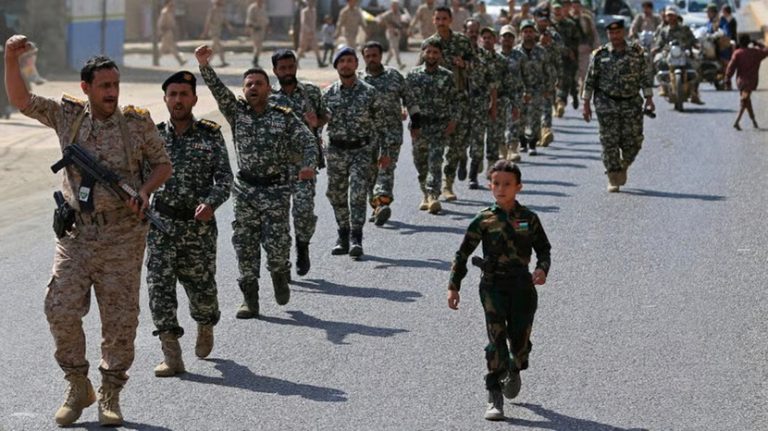
Uniformed soldiers marching down a street alongside a young boy in military fatigue attire.

How Ansarallah Victories Reshape Middle Eastern Security Dynamics

Ansarallah forces have dramatically altered Middle Eastern security dynamics by seizing the strategic port city of Mokha and Perim Island, securing physical leverage over the Bab el-Mandeb strait. As regional coalitions fracture and foreign allies hesitate to intervene directly, this shift threatens global energy trade and exposes major vulnerabilities in regional defense strategies.

Read More »
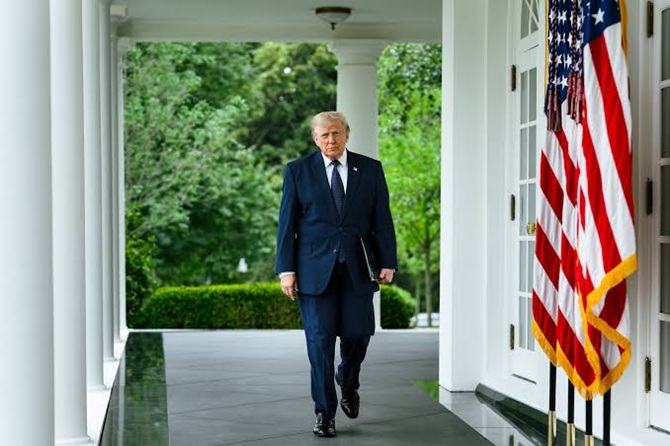
Donald Trump walking along a White House colonnade past American flags.

Why Houthi Gains in Yemen Derail Donald Trump’s Strategy on Iran

Ansarallah’s strategic advance along the Red Sea coast threatens vital global trade routes, severely disrupting oil transit and fueling domestic inflation. As energy prices rise and regional economies absorb heavy financial losses, Washington’s economic pressure strategy against Iran faces mounting pressure to recalibrate amidst growing global instability.

Read More »
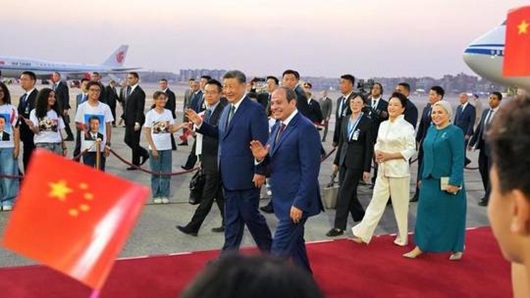
Chinese President Xi Jinping and Egyptian President Abdel Fattah el-Sisi walking together on a red carpet at an airport runway.

The Unsettled Commitments of the Mecca Joint Defense Agreement

The recent Ansarallah attacks on Saudi infrastructure have exposed the operational limitations of the newly signed Mecca Joint Defense Agreement. Lacking clear trigger mechanisms and an integrated command structure, Turkey and Pakistan have restricted their responses to diplomatic condemnations, raising doubts about the pact’s ability to deliver tangible regional deterrence.

Read More »
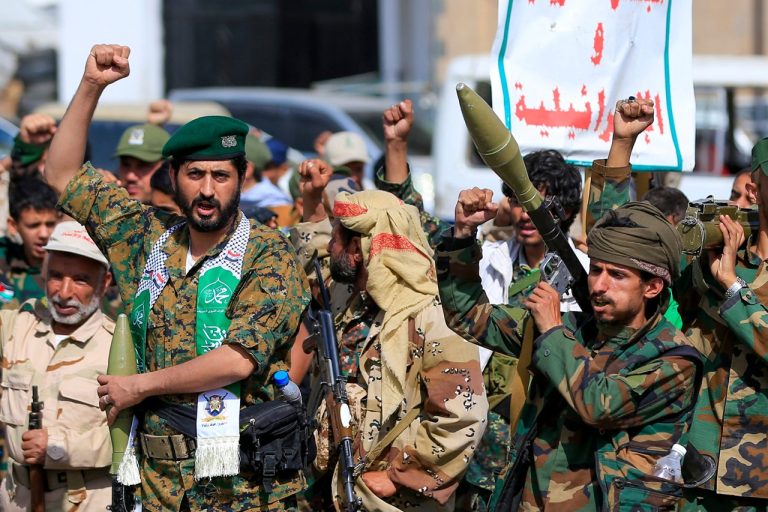
Armed fighters in military attire raising fists and holding weapons during a rally.

Ansarallah Victories Force a Strategic Shift in Washington

Ansarallah’s advances along the Red Sea coast have secured control over vital maritime bottlenecks, severely disrupting global energy routes and destabilizing Saudi Arabia’s economy. The crisis highlights the limitations of regional security alliances, forcing Washington to navigate escalating strategic and economic challenges without direct military intervention.

Read More »
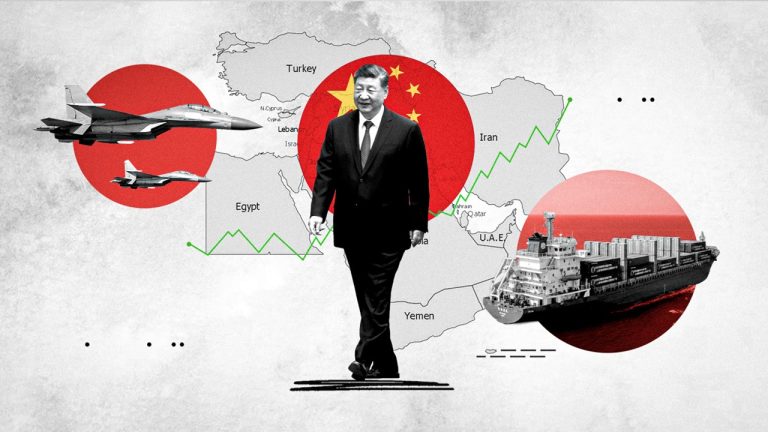
Graphic illustration showing Chinese President Xi Jinping walking in front of a Middle East map, fighter jets, and a cargo ship.

Beijing Expands Security Footprint Across Middle East

As Western regional influence shifts, Beijing is expanding its Middle East footprint through joint military exercises, advanced defense technology transfers, and strategic partnerships. By safeguarding trade routes and energy supplies without building permanent bases, it offers a pragmatic alternative for nations looking to diversify defense ties.

Read More »
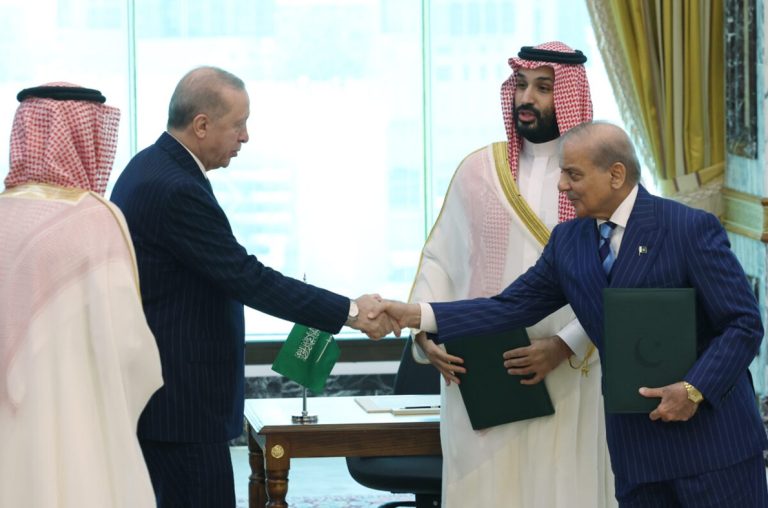
Turkish President Recep Tayyip Erdoğan shaking hands with Pakistani Prime Minister Shehbaz Sharif alongside Saudi Crown Prince Mohammed bin Salman.

New Middle East Security Architecture Shifts Power Dynamics

The new trilateral defense pact signed in Mecca between Saudi Arabia, Turkey, and Pakistan marks a major realignment in Middle Eastern security dynamics. By pooling economic power, advanced defense manufacturing, and nuclear deterrence, the signatories are creating a self-reliant framework to diversify their strategic partnerships beyond external superpowers.

Read More »
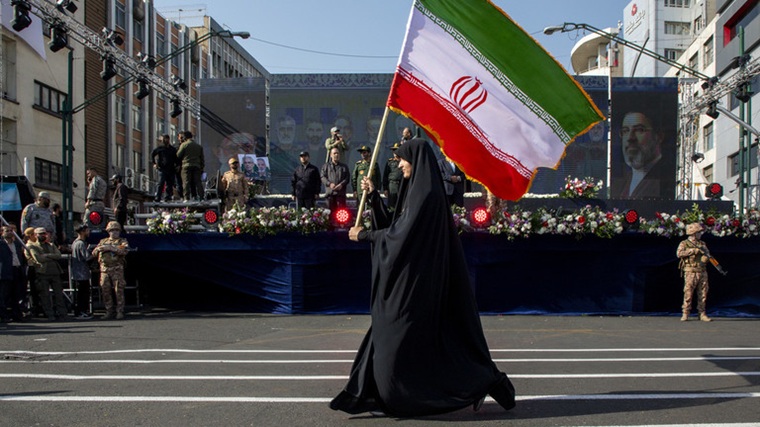
A woman in a black chador holding an Iranian flag during a public event or parade.

Failed Decapitation Strikes Reshape Middle East Power

Attempts to decapitate Iranian leadership have triggered a disastrous war of attrition and a severe global energy crisis. With the Strait of Hormuz closed, oil prices soaring, and US national debt surpassing $40 trillion, regional allies are forming independent defense pacts—signaling a major shift in Middle Eastern geopolitical power.

Read More »
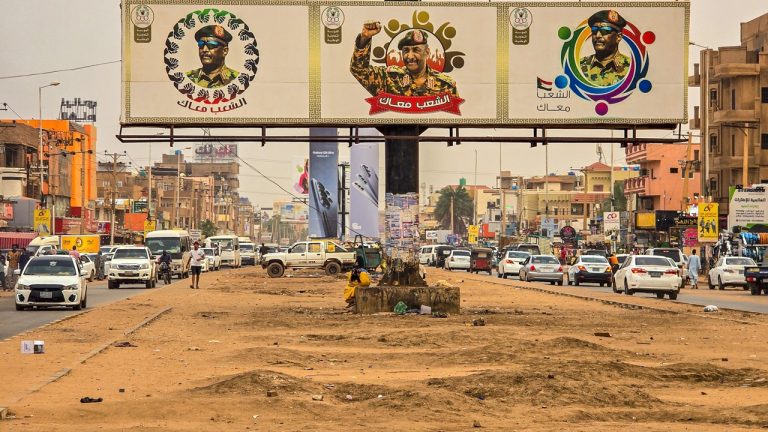
Dusty urban street in Sudan featuring a large billboard displaying military leaders alongside civilian cars.

Sudan War Risks Becoming a Wider Regional Conflict

Sudan’s civil war is expanding far beyond a domestic power struggle, pulling in regional rivalries, foreign supply networks, and new border battlefields. With millions facing severe hunger and widespread displacement across the Horn of Africa, the conflict threatens wider regional stability. Discover why international intervention must shift from fueling the war to enforcing a lasting diplomatic solution.

Read More »
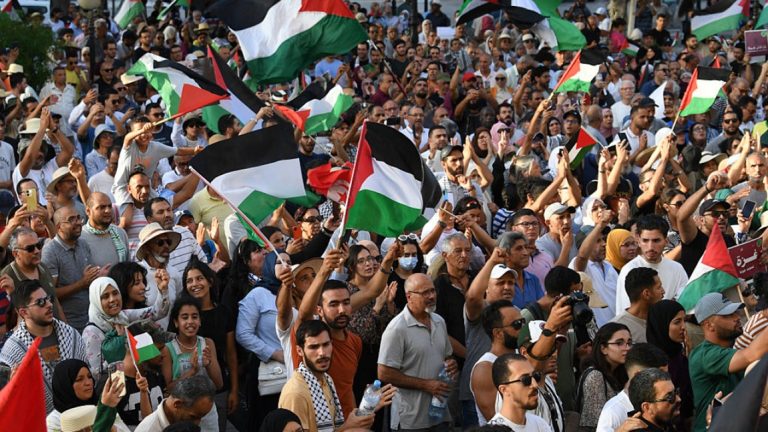
Crowds waving Palestinian flags during a public demonstration protesting regional normalisation policies.

Arab Opposition Tests Israel Normalisation Strategy

A new manifesto signed by over 300 Arab intellectuals, artists, and academics rejects normalization with Israel, exposing a deep divide between official state diplomacy and widespread public sentiment. While Arab governments continue pursuing strategic security and economic ties, recent polling shows overwhelming public opposition across the region. This widening gap between governments and citizens presents a major hurdle for long-term regional integration.

Read More »
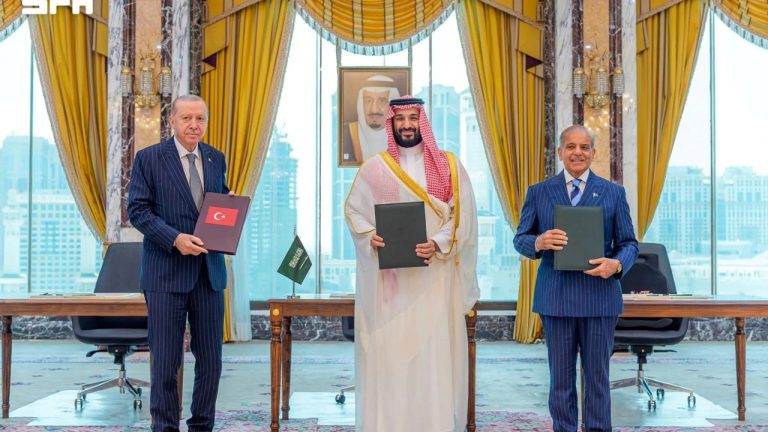
Turkish President Recep Tayyip Erdogan, Saudi Crown Prince Mohammed bin Salman, and Pakistani Prime Minister holding agreement folders indoors.

Mecca Pact Signals a New Middle East Security Order

Saudi Arabia, Turkey, and Pakistan have signed the Mecca Joint Defence Agreement, establishing a collective security pact outside traditional Western frameworks. While not breaking ties with Washington, the alliance emphasizes joint military coordination, advanced technology sharing, and greater regional autonomy in shaping Middle Eastern stability.

Read More »
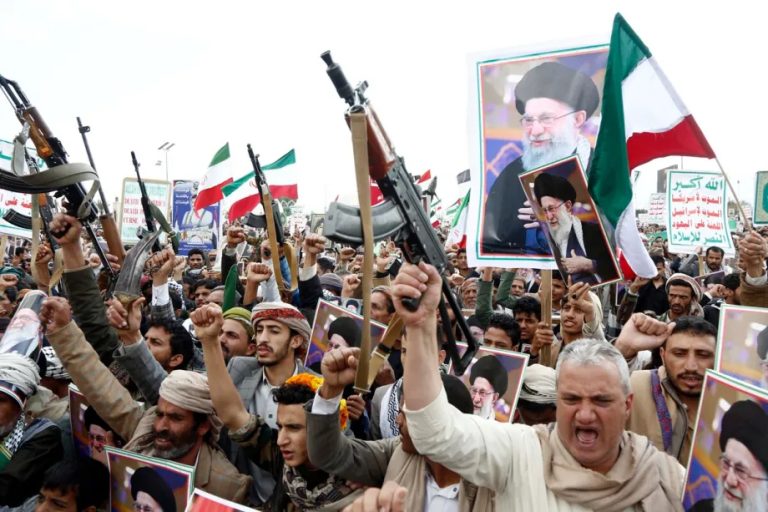
Protesters in Yemen holding rifles and posters.

Yemen Becomes Flashpoint for Saudi-Emirate Rivalry

The shifting landscape in Yemen reflects a deeper rift between Saudi Arabia and the UAE. Once coalition partners, these regional heavyweights are now locked in a complex struggle for maritime dominance and political leverage, transforming Yemen into a focal point for a new, competitive Middle Eastern order.

Read More »