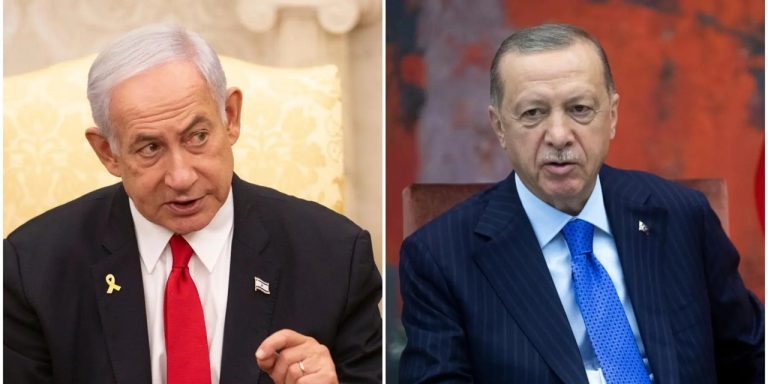
A massive geopolitical crisis is rapidly developing as military forces from Israel and Turkey increasingly compete for dominance across the Middle East. Tensions flared significantly when Israeli aircraft recently targeted the Abu al Duhur airbase located deep inside Syrian territory. This unprecedented operation occurred just hours after a Turkish delegation inspected the facility to plan extensive rehabilitation work. For policymakers in Washington this direct clash between two major regional partners creates a deeply troubling diplomatic dilemma.
Competing Visions for Syrian Security
The relationship between Jerusalem and Ankara completely collapsed following the devastating military campaigns in Gaza. Following the immense civilian death toll Turkish officials suspended all direct commercial trade and vehemently condemned Israeli military conduct. However the primary arena for their strategic competition has now shifted northward into Syria. After the collapse of the Baathist regime the new government led by Ahmed al Sharaa formally assumed power and began rebuilding shattered state institutions.
Turkey views a stabilized and unified Syria as absolutely essential for its own national security. Consequently Ankara actively supports the new government by providing extensive military training and technical assistance. Conversely Israeli defense planners prefer a perpetually weak and fragmented neighbor that cannot challenge their operational freedom. By striking the exact infrastructure that Turkish engineers planned to rebuild Israeli forces intentionally sent a highly provocative warning. The explicit message dictates that Jerusalem will ruthlessly block any foreign military buildup near its northern borders.
Testing International Defense Treaties
This aggressive posturing carries massive risks because Turkey commands one of the most sophisticated military machines in the region. Beyond its formal obligations to the North Atlantic Treaty Organization Ankara recently ratified the Mecca Joint Defence Agreement alongside Saudi Arabia and Pakistan. This new security pact explicitly states that an armed attack against any single member constitutes an attack against all three nations. American political leaders initially applauded this trilateral alliance as a positive step toward regional autonomy.
Yet an accidental military skirmish over Syrian airspace could easily activate these complicated mutual defense clauses. The American ambassador recently warned that unannounced airstrikes effectively bait Turkish fighter jets into potential aerial dogfights. If Turkish forces ever invoke their formal treaty rights the United States would face intense pressure to explicitly choose sides. Such a nightmare scenario would force the administration to abandon either its closest regional ally or a crucial treaty partner.
While outright war remains unlikely both nations firmly believe that vital strategic interests are at stake. Unless American mediators successfully establish a functional deconfliction mechanism these overlapping ambitions will inevitably spark further violence. Resolving this crisis requires acknowledging that foreign military interventions can no longer dictate the regional order without triggering massive international consequences.
Original analysis inspired by Mohammed Ayoob from The National Interest. Additional research and verification conducted through multiple sources.