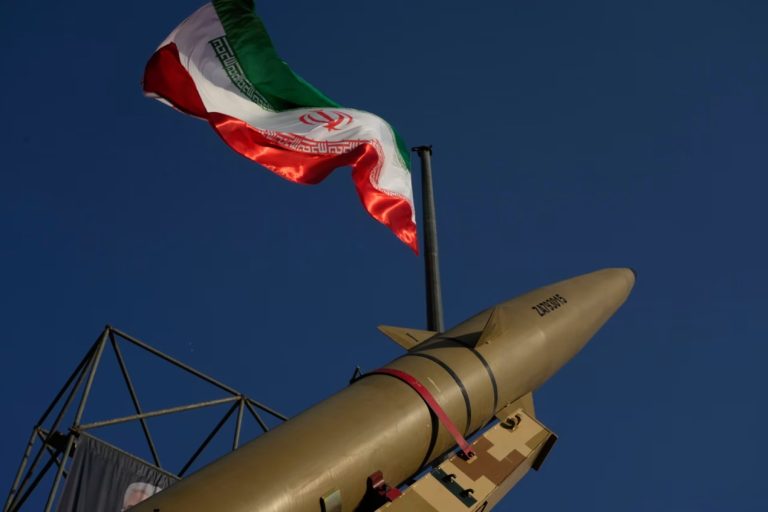
The ongoing military confrontation with Tehran exposes critical vulnerabilities within the American defense architecture. What began as a targeted campaign has rapidly depleted domestic stockpiles of advanced munitions. Military planners now face an urgent reality regarding the sustainability of current global commitments. A prolonged regional conflict forces a fundamental reassessment of industrial production capacity and strategic priorities.
The United States increasingly struggles to replace the highly sophisticated weapons consumed during recent operations. Complex technology severely slows the manufacturing process for essential interceptors and cruise missiles. Current defense production lines simply cannot match the consumption rate required by active combat theaters. To prepare for potential conflicts with peer competitors, defense officials must recalculate the balance between expensive precision systems and cheaper conventional alternatives. Without a massive revitalization of domestic manufacturing, the qualitative edge of the military means little when arsenals run dry.
Simultaneously, the conflict forces Washington to divert crucial naval assets away from the Pacific theater. This reallocation creates dangerous strategic openings in East Asia at a particularly precarious moment. Meanwhile, China rapidly expands its maritime dominance through an aggressive civil military fusion doctrine. Current data indicates that Beijing controls over half of all global shipbuilding capacity. Since American shipyards lack the scale to close this gap alone, strategists now urge deeper integration with major allied producers in South Korea and Japan.
Aerial Limits and Regional Vulnerabilities
Heavy reliance on air power has also demonstrated clear limitations against a deeply entrenched adversary. While sustained bombing campaigns destroyed significant civilian and military infrastructure, they failed to eliminate core capabilities. Tehran anticipated this approach and buried its missile production facilities deep underground. Because Washington refused to deploy ground troops, the Iranian military successfully preserved its ability to threaten neighboring states and commercial shipping.
This dynamic drastically altered the security environment for American personnel stationed across the Persian Gulf. Regional outposts intended for force projection became immediate targets for retaliatory strikes. Drone and missile attacks heavily damaged installations in Bahrain, Kuwait, Saudi Arabia, and Qatar. These bombardments resulted in numerous casualties and billions of dollars in equipment losses. Until the military can significantly improve local air defenses, withdrawn personnel remain unable to return safely.
Furthermore, Iran effectively countered direct assaults by activating proxy networks across the Middle East. Armed groups successfully choked maritime transit through the Bab al Mandeb Strait and targeted critical energy pipelines. By disrupting the flow of Saudi oil, these allied militias directly threaten global economic stability. A sudden spike in international energy prices could make the current military stalemate politically unsustainable for Western leaders.
The End of an Era
Although the American naval blockade applies immense pressure on the Iranian economy, the regime shows no intention of capitulating. The ruling authorities repeatedly demonstrate their willingness to shift economic burdens onto the civilian population. A powerful internal security apparatus ruthlessly suppresses domestic dissent to maintain control. Consequently, diplomatic experts predict that Washington may eventually need to accept unfavorable terms to end the hostilities.
This confrontation likely represents the final major American military intervention in the region for the foreseeable future. A gradual withdrawal of forces signals the conclusion of efforts to unilaterally dominate the Middle East. Traditional allies who historically relied on Western protection will soon need to forge new security arrangements. These nations must now choose between accommodating Iranian influence or building an independent regional defense coalition. Regardless of the immediate diplomatic outcome, this war has permanently transformed the geopolitical balance of the Middle East.
Original analysis inspired by William A. Galston from The Wall Street Journal. Additional research and verification conducted through multiple sources.