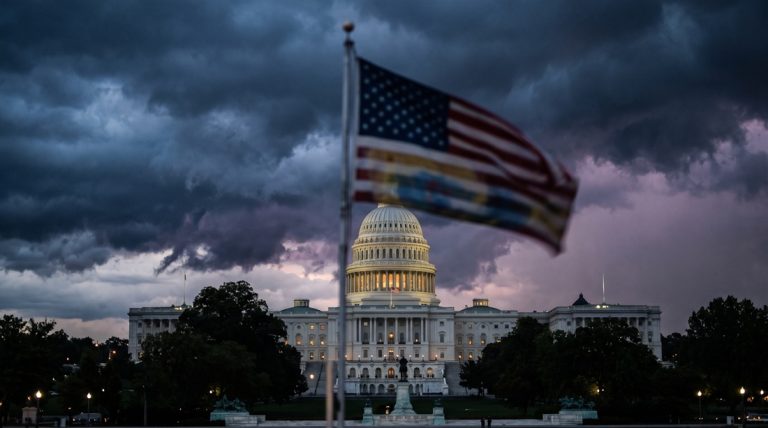
Decades of unconditional American backing for Tel Aviv are giving way to a strictly transactional relationship shaped by shifting US domestic politics. Following sweeping Democratic gains in the November 2026 midterm elections, Washington has signaled that blank checks for Israeli military operations are nearing an end. President Donald Trump recently announced that the United States will halt its four billion dollar annual military aid package to Israel in 2027, shifting instead toward direct commercial arms sales. This strategic pivot forces Israeli leaders to confront unprecedented diplomatic and financial vulnerability.
Generational and partisan realignments inside the United States explain why bipartisan consensus on Israel has fractured so visibly. Younger voters across both major parties increasingly question unconditional security commitments, while populist conservatives prioritize domestic spending over foreign entanglements. News outlets reported that the White House framed the aid cutoff around Israel’s ability to fund its own defense hardware without taxpayer subsidies.
Congressional Leverage and Coalition Crossroads
With Democrats set to take control of Congress in January, legislative oversight over weapons transfers and diplomatic cover will tighten significantly. Foreign policy analysts note that incoming lawmakers have gained substantial leverage to condition future arms sales on strict human rights and legal compliance. Regional observers have already questioned whether Washington’s traditional security umbrella can survive growing public skepticism toward Middle Eastern wars.
Inside Israel, this external pressure collides with an unresolved domestic political struggle following recent parliamentary elections. Strategic assessments have assessed that Tel Aviv faces a stark choice between a hardline nationalist coalition and a centrist government willing to recalibrate regional policy. Pursuing unilateral escalation under a far right cabinet would likely accelerate European sanctions, banking restrictions, and deeper global isolation. Conversely, even a more moderate coalition would still operate under tighter American scrutiny and diminished military subsidies for years to come.
Original analysis inspired by RANE Worldview from RANE Worldview. Additional research and verification conducted through multiple sources.