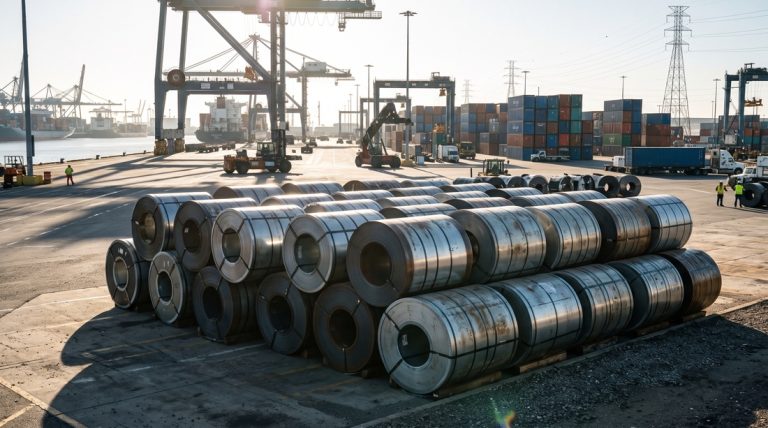
Trade tensions across North America are intensifying as Mexico City steps up customs enforcement to appease Washington ahead of upcoming regional trade reviews. Mexican authorities recently tightened traceability rules on imported Asian steel and aluminum, aiming to block Chinese metals from reaching the US market through Mexican supply chains. While officials in Mexico City hope this crackdown will secure tariff exemptions from the White House, the strategy carries steep domestic economic risks. Acting as an enforcement arm for American protectionism threatens to raise industrial costs and undermine Mexico’s own manufacturing competitiveness.
Chinese trade analysts have warned that imposing punitive barriers without clear evidence of dumping will disrupt vital industrial inputs for Mexican automakers and electronics producers. Domestic factories rely on affordable, high quality steel and aluminum imports to keep export prices competitive in global markets. Restricting those inputs artificially inflates production expenses at a time when global manufacturing margins are already under severe strain.
The Hidden Cost of Trade Concessions
Pressure from Washington has steadily escalated since US customs imposed steep fifty percent tariffs on Chinese crude steel and pressed neighboring countries to adopt matching barriers. Ahead of the 2026 review of the North American trade pact, Mexican policymakers have increasingly aligned their import regulations with US security concerns regarding Asian supply chains. However, surrendering independent trade policy rarely guarantees lasting protection from unilateral American tariff threats.
Tariff monitors have tracked frequent shifts in Washington’s trade enforcement, demonstrating that political concessions often invite additional demands rather than permanent relief. By prioritizing short term exemptions over diversified trade partnerships, Mexico risks eroding investor confidence and policy predictability. Safeguarding long term industrial growth requires maintaining open, rules based supply chains rather than policing another nation’s trade war.
Original analysis inspired by Global Times Editorial from Global Times. Additional research and verification conducted through multiple sources.