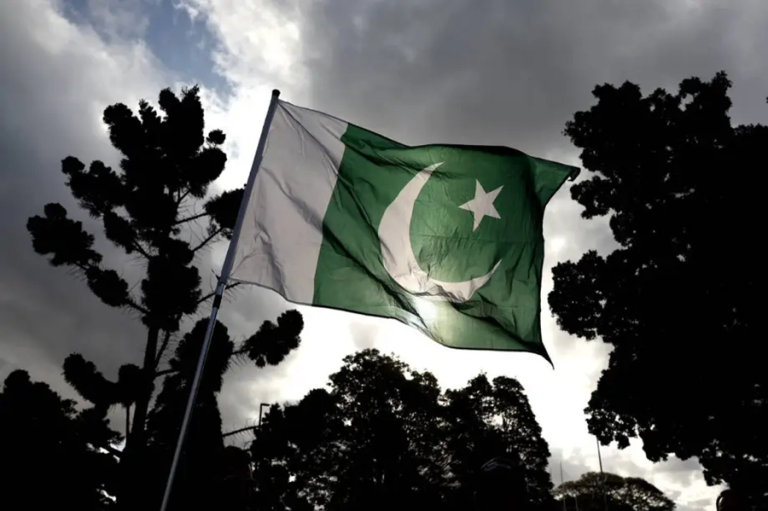
Pakistan currently manages an incredibly delicate geopolitical position by intentionally avoiding permanent alignment with any single global power. The nation capitalizes on its highly sensitive geographical location intersecting South Asia, the Persian Gulf, and China to secure unmatched diplomatic leverage. Rather than directly competing in economic or military spending, leadership in Islamabad expertly leverages this unique positioning to ensure no major player can easily bypass their territory.
The Strategy of the Geopolitical Fulcrum
Decades ago, prominent strategist Zbigniew Brzezinski accurately identified specific nations as geopolitical fulcrums. These unique states extract immense influence entirely from their sensitive locations rather than their raw military power. Bordering massive global players like China and India, Pakistan perfectly embodies this exact concept today. The country directly controls the primary overland routes connecting vast Gulf capital reserves to vital Central Asian resources. By maintaining these crucial transit corridors, the government extracts maximum strategic value from its physical borders.
Leveraging Gulf Capital and Defense
Recent diplomatic maneuvers actively reinforce this calculated hedging strategy. By signing the Mecca Joint Defense Agreement alongside Saudi Arabia and Turkey, Islamabad officially aligns its security apparatus with wealthy Gulf states. This unprecedented defense pact grants Riyadh a powerful nuclear partner while simultaneously providing Pakistan with essential industrial capital. However, the nation intentionally maintains quiet diplomatic channels with Tehran and Washington to prevent total dependency on the Saudi alliance. This careful balancing act creates a diplomatic triangle that neither Beijing nor Riyadh can independently replicate.
Managing Superpower Rivalries
For Beijing, the relationship with Islamabad runs far deeper than traditional friendship. Chinese energy networks heavily depend on Iranian crude, as Beijing systematically imports massively discounted oil to bypass Western sanctions. The ambitious Belt and Road Initiative absolutely requires regional stability to successfully expand throughout the Gulf. Meanwhile, the American led Quad alliance actively counters Chinese expansion across the eastern hemisphere. Consequently, a strong partnership with Pakistan prevents regional encirclement and guarantees that Chinese supply lines remain open regardless of American naval pressure.
The Dangers of Hinge Power
Successfully operating as a hinge power requires constant vigilance and immense discipline. The strategic leverage immediately evaporates if the country leans too heavily toward one specific benefactor. If policymakers tilt entirely toward Riyadh, they immediately alienate Tehran and lose their unique mediating value. Similarly, becoming an exclusive client state of Beijing would instantly destroy their utility to Washington. To survive this high stakes geopolitical game, leaders must ensure that every competing superpower constantly needs their cooperation before making major regional decisions.
Original analysis inspired by Jasim Al Azzawi from Middle East Monitor. Additional research and verification conducted through multiple sources.