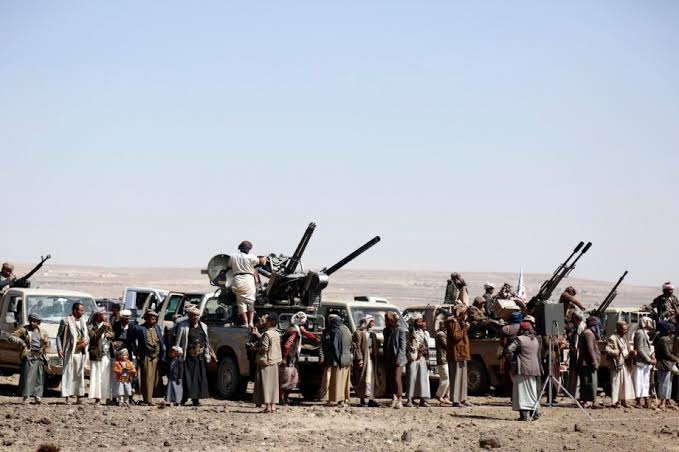
Since militants began striking commercial vessels navigating the Red Sea, the Yemeni faction proved they pose a massive threat to international energy markets. Following recent missile strikes against Saudi Arabian oil pipelines and the sudden capture of the Mokha port, senior American politicians immediately labeled the group as mere agents of Tehran. Secretary of State Marco Rubio publicly [suspicious link removed] the Iranian hand for directing the violence. While this simple framing perfectly fits the template established for other regional militias, it completely misreads the actual command structure. Treating the Yemeni fighters as a simple instrument of foreign will actively points American diplomacy toward the wrong strategic levers.
Evaluating Foreign Military Support
The military relationship between Tehran and the militants definitely deserves severe scrutiny. The Islamic Revolutionary Guard Corps consistently supplies advanced weapons, tactical training, and crucial intelligence to the group. Authorities routinely intercept massive maritime shipments containing drone components and radar systems explicitly destined for Yemeni shores. These shipments undoubtedly enable the militants to launch sophisticated projectiles across vast distances toward international shipping lanes and Israeli territory. The fighters also deliberately coordinate their political messaging with the broader axis of resistance during times of escalating regional conflict.
However, this material support never translates into absolute obedience. The Council on Foreign Relations clarifies that the group follows Zaydi Shiism, which differs significantly from the religious ideology practiced in Tehran. Research published by the RAND Corporation concludes that their relationship remains highly transactional rather than ideologically unified. When the movement originally formed decades ago, their primary focus remained entirely domestic, specifically fighting against political marginalization within their own country. Today, the group actively diversifies its military capabilities by acquiring components from Chinese markets and establishing indigenous manufacturing facilities.
Financial Autonomy and Defiance
Experts consistently warn that labeling these militants as a simple proxy fundamentally misrepresents the true danger they pose. Analysts point to multiple historical episodes where the group openly ignored foreign directives, including declaring a unilateral ceasefire with Saudi Arabia when Tehran preferred continued escalation. Crucially, the group actively generates massive independent revenue through aggressive local taxation, port administration, and sophisticated smuggling networks. This multibillion dollar financial independence essentially insulates the leadership from external pressure, allowing them to make sovereign military decisions without requiring foreign permission. Recent diplomatic attempts to defang the militants by negotiating directly with Iranian diplomats completely failed to reduce maritime hostilities.
Because the movement possesses its own distinct history, economic base, and domestic political calculus, American policy must adapt accordingly. While naval task forces should absolutely continue intercepting illicit weapons shipments, diplomats must simultaneously engage the local realities driving the conflict. A successful strategy requires addressing the independent financial networks sustaining the militants while actively reinforcing the fragile truce agreements that previously curbed regional violence. Recognizing their complete operational autonomy provides the only realistic foundation for building a durable diplomatic solution.
Original analysis inspired by Ivar Jansen from The National Interest. Additional research and verification conducted through multiple sources.