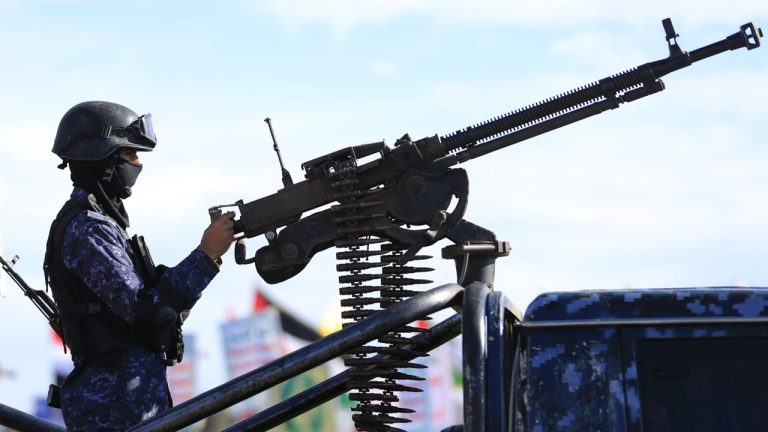
Yemeni rebel forces recently achieved significant territorial breakthroughs along the western coastline. By capturing the critical port city of Mocha and advancing toward the Bab al Mandeb channel, these militants now project direct authority over one of the most vital shipping arteries on the planet. This rapid territorial expansion disrupts international commercial navigation and threatens global energy markets. The offensive demonstrates how a local insurgency transformed into an advanced military organization capable of holding major international powers at bay.
Evolving Battlefield Tactics
The recent operations highlight a dramatic shift in rebel combat methodology. Instead of relying solely on traditional mountainous guerrilla warfare, commanders now deploy highly mobile assault units that strike from multiple directions simultaneously. This decentralized approach frustrates traditional aerial bombardment campaigns and allows infantry to maintain continuous pressure on defending garrisons. Alongside their ground maneuvers, the fighters heavily utilize modern technology to secure their objectives.
During the recent coastal push, attackers reportedly manipulated local communications by deploying artificial intelligence to generate fraudulent audio messages. By impersonating key defense commanders, the militants broadcasted fake retreat orders that sowed mass confusion across the defending ranks. Furthermore, the organization expanded its geographical reach beyond the immediate combat zone. Drones launched from neighboring Iraq recently damaged vital oil pipeline infrastructure inside Saudi Arabia. This coordination showcases a mature military apparatus that integrates psychological operations with long range precision firepower.
Fractured Regional Defenses
While the insurgents operate with clear strategic unity, the forces opposing them suffer from severe internal division. The primary defending coalition remains deeply fragmented because major foreign sponsors pursue competing political agendas across the territory. Specifically, the relationship between Saudi authorities and Emirati leadership splintered badly late last year over logistical disputes and competing proxy militias.
Without unified ground operations, aerial superiority alone cannot stop determined infantry advances. Intelligence failures further compounded these structural weaknesses, allowing the rebel buildup to go largely unnoticed until the coastal assaults began. The defending alliance desperately needs capable local partners to hold territory, yet mutual distrust prevents any meaningful integration among the various defensive brigades.
By securing these maritime chokepoints, the rebels effectively isolate their primary adversaries while avoiding direct confrontation with American forces. This calculated expansion forces regional powers to face mounting economic burdens. It ultimately highlights the fragile nature of current security arrangements across the Arabian Peninsula.
Original analysis inspired by Dario Sabaghi from The New Arab. Additional research and verification conducted through multiple sources.