Iran Conflict Weakens Trump’s Hand Ahead of Xi Summit
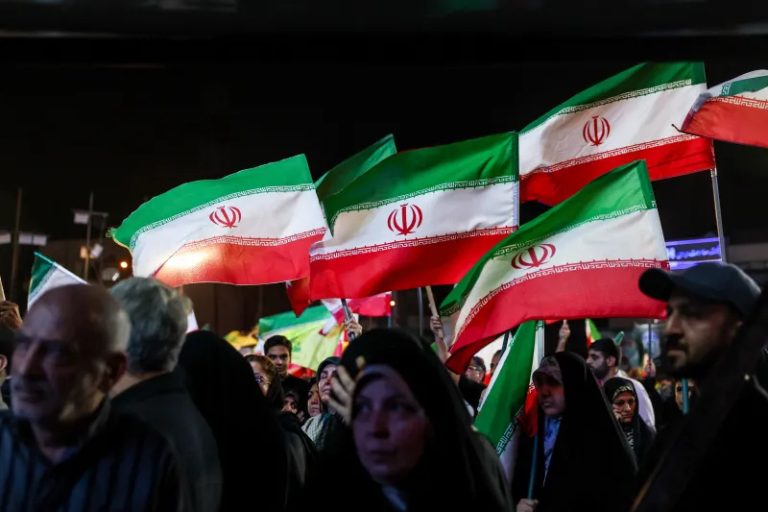
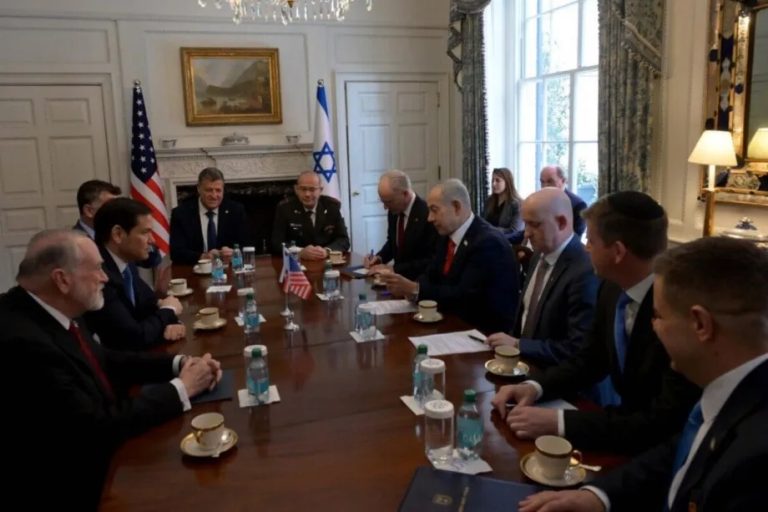
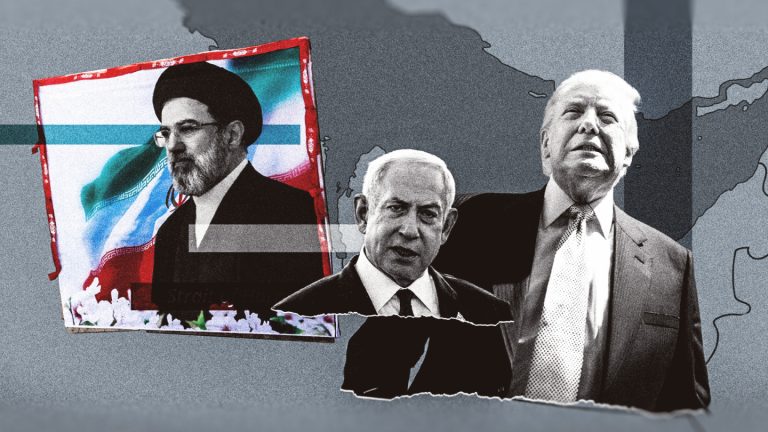
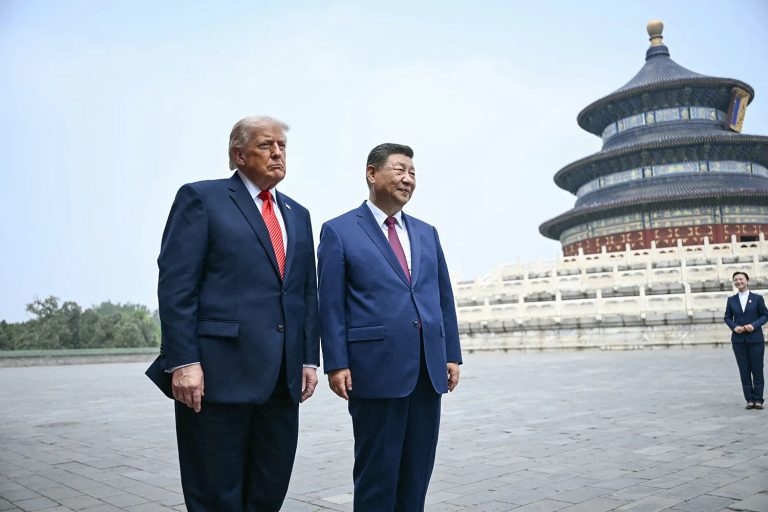
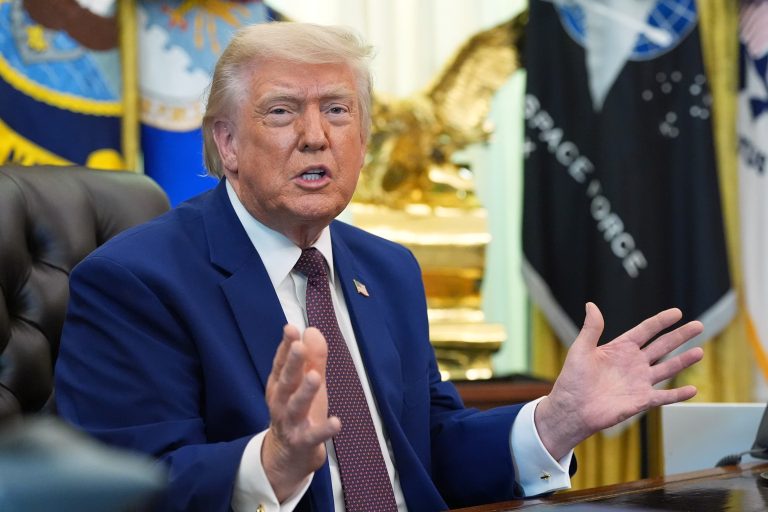
Trump enters the Xi summit weakened by a costly Iran war that raised energy prices, strained alliances, and exposed planning gaps—undercutting the strategic leverage he hoped to bring to Beijing.

Trump enters the Xi summit weakened by a costly Iran war that raised energy prices, strained alliances, and exposed planning gaps—undercutting the strategic leverage he hoped to bring to Beijing.

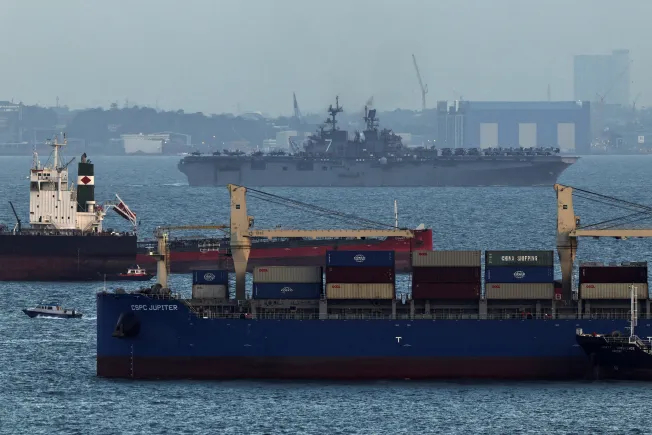
China’s oil lifeline faces a hidden threat: insurance markets. The Hormuz shutdown showed how premium spikes—not navies—can choke supplies, exposing Beijing’s reliance on vulnerable sea routes and Western financial systems.

Gulf states are reassessing US protection after Iranian strikes exposed shared vulnerabilities. The conflict has accelerated moves toward regional defense coordination and greater self‑reliance centered on local security needs.

China is cushioning Middle East shocks through reserves, EV adoption, and supply‑chain controls while hedging diplomatically. The Iran conflict is accelerating Beijing’s push for self‑reliance and diversified energy ties without deeper military entanglement.

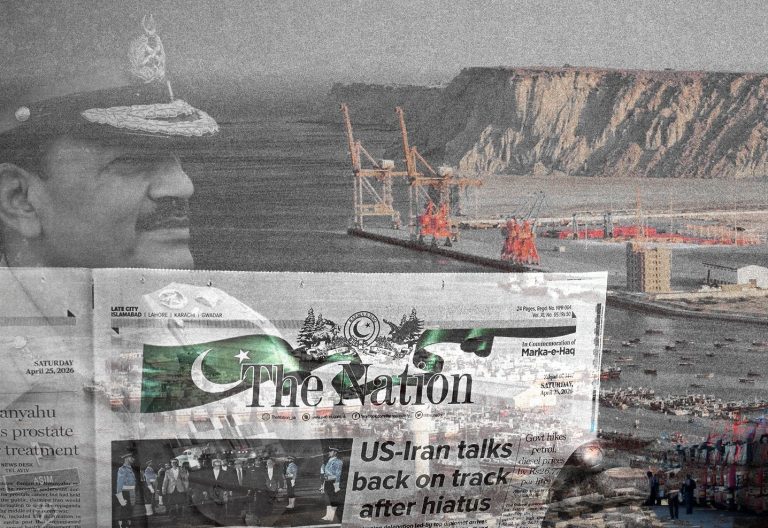
The activation of six dedicated land corridors between Pakistan and Iran marks a strategic shift in regional logistics. By rerouting cargo from Karachi and Gwadar directly to the Iranian border, Islamabad is providing a critical workaround to the Strait of Hormuz closure, potentially reviving stalled energy projects and deepening Belt and Road connectivity.

On May 2, 2026, China’s Ministry of Commerce issued a landmark directive blocking compliance with U.S. sanctions targeting refineries processing Iranian crude. By formalizing legal resistance and expanding RMB-based payments, Beijing is institutionalizing its defense against financial coercion, directly challenging the extraterritorial reach of Washington’s energy-related penalties.

Washington’s reliance on a “breakdown” strategy in Iran is being tested by Tehran’s ability to endure sustained military and economic pressure. Instead of a swift collapse, current cycles of attrition have fueled global oil price spikes, reaching $4.50 per gallon in the U.S., while strengthening Iran’s informal trade networks and regional alliances.

Beijing is effectively countering American economic pressure by weaponizing its maritime dominance. With over half of global shipbuilding output and strategic investments in 168 ports worldwide, China has built a “shipping shield” that secures its energy imports and trade routes, rendering traditional financial sanctions increasingly ineffective in the lead-up to high-level diplomatic talks.

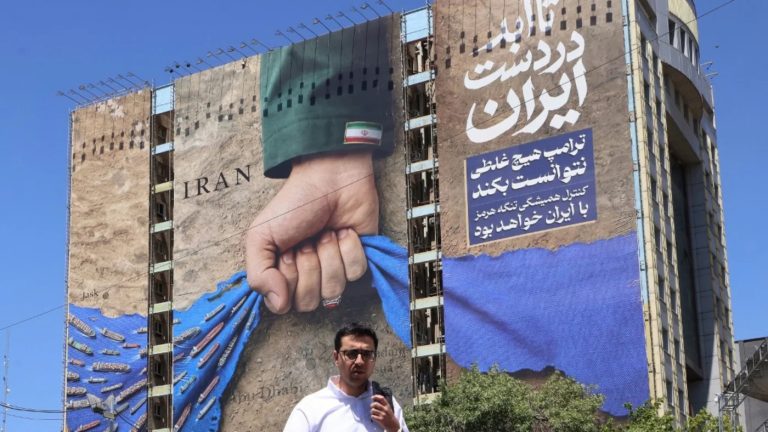
The ongoing blockade of the Strait of Hormuz has exposed critical vulnerabilities in global energy security, driving U.S. gasoline prices past $4.40. As military standoffs continue, experts urge a shift toward diversified supply routes, including Saudi Arabia’s East-West pipeline, and a renewed focus on domestic resilience and long-term energy innovation.

Ongoing conflict in the Strait of Hormuz has fractured traditional humanitarian supply lines, forcing agencies to reroute Afghan aid through Central Asia. With 3.7 million children at risk of malnutrition, the Lapis Lazuli Corridor and hubs like Termez have become vital lifelines for delivering essential food and medical supplies.

Rising tensions in the Strait of Hormuz have disrupted shipping and pushed energy prices higher worldwide. Analysts argue military pressure alone cannot remove Iran’s leverage in the narrow waterway. Restoring safe passage may depend more on diplomacy than escalation, as global markets face growing uncertainty.

Recent high-level discussions between President Trump and Vladimir Putin suggest a pivot beyond the Ukraine stalemate. Building on the 2025 Anchorage Summit, the leaders are exploring limited cooperation on Iranian enrichment and energy markets. This evolving dialogue signals a shift toward pragmatism, as both capitals navigate a complex multipolar landscape.
©2025, Hosting. All Rights Reserved by ThinkTanksMonitor