Tag: Energy Security

Small desktop flags of Russia and China standing crossed against a soft, light-colored background.

Putin’s 25th Visit to China Tests Beijing’s Balancing Act

This article analyzes Vladimir Putin’s 25th presidential visit to China, arriving immediately after Donald Trump’s departure from Beijing. While the leaders target energy deals like the Power of Siberia 2 pipeline, the summit highlights China’s strategic tightrope walk as an indispensable power broker managing ties with both Washington and Moscow.

Read More »
Donald Trump and Chinese President Xi Jinping standing side by side in a large stone courtyard with the Temple of Heaven in Beijing visible in the background.

Trump’s China Visit Shows Beijing’s Strategic Confidence

This analysis evaluates Donald Trump’s high-profile visit to Beijing, highlighting the contrast between American economic objectives and China’s push for strategic equality. While yielding commercial agreements on agriculture and aircraft, the summit left core geopolitical friction points—including Taiwan, Iran, and technology supply chains—unresolved, signaling a temporary pause rather than a settlement.

Read More »
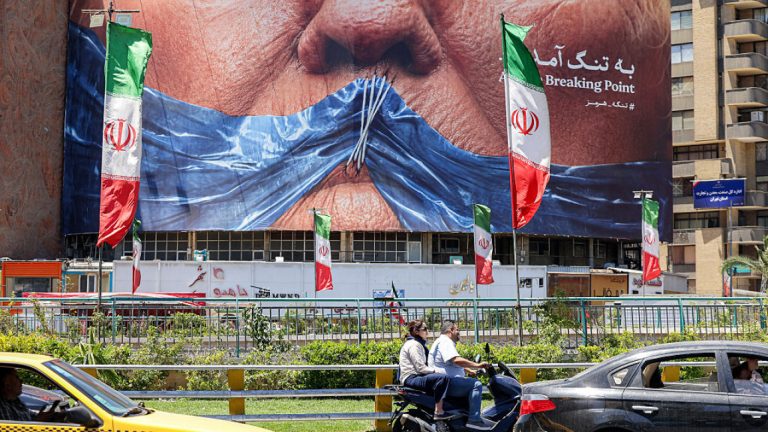
A man holding a large Iranian flag in front of a massive billboard showing a close-up of a human face with lips tied together and text that reads "At The Breaking Point".

Iran War Shows the New Meaning of Power

This analysis explores how the Iran war highlights the shifting dynamics of global influence. While Western and Israeli military reach inflicts significant strain, Tehran’s endurance exposes the declining efficacy of unilateral American pressure. The conflict underscores a harsher strategic reality: traditional firepower no longer guarantees political compliance in a multipolar world.

Read More »
The national flag of India on the left and the green flag of the African Union featuring a map of Africa surrounded by gold stars on the right.

India-Africa Partnership Needs a New Strategic Push

This article examines the critical need for a strategic reset in India-Africa relations ahead of the May 2026 summit in New Delhi. Moving beyond historical sentiment, the analysis highlights capacity building, digital public infrastructure, and maritime cooperation as essential pillars to transform broad goodwill into measurable economic partnership.

Read More »
Political cartoon illustration of a globe surrounded by the flags of global superpowers like the US, China, and Russia amidst crumbling classical pillars, symbolizing a fractured multipolar world.

The Shadow of a Multipolar World: Gridlock in Geopolitical Arteries

This analysis explores the decline of American unipolarity and the onset of a transitional, multipolar era. Driven by Washington’s strategic miscalculations, the shifts include emerging non-Western security blocs, a highly vulnerable global energy market, and rising alternative alliances, forcing Western policymakers to cognitively adapt to an inescapable new geopolitical reality.

Read More »
Agricultural laborers working in a large field of red leaf lettuce under a bright sun.

Iran War Raises Fuel and Food Costs for Rural America

This report explores the domestic economic toll of the Iran conflict, specifically how supply disruptions in the Strait of Hormuz have spiked diesel and fertilizer costs. As rural households and farmers face tightening margins and rising grocery inflation, the situation underscores the direct link between global geopolitics and American food security.

Read More »
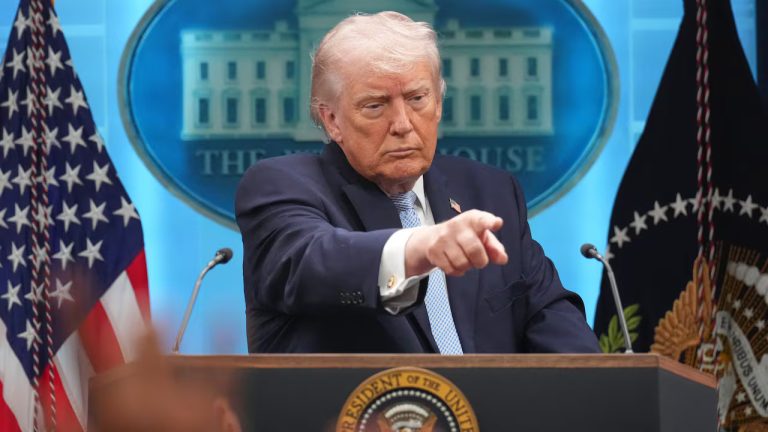
Donald Trump pointing a finger forward while standing at a podium.

Trump’s Iran Ultimatums Risk Deeper Stalemate

President Trump’s strategy of perpetual ultimatums toward Iran is creating an entrenched stalemate that unsettles global energy markets. While intended to maintain leverage, the cycle of threats without resolution has allowed Tehran to calibrate its defiance, keeping oil prices elevated and leaving the Strait of Hormuz in a state of dangerous, indefinite tension.

Read More »
A digital composite of the Iranian flag, ballistic missiles, and a nuclear mushroom cloud.

Iran’s Defiance Tests Trump’s Resolve in Nuclear Standoff

President Trump’s recent rejection of Iran’s peace proposal has pushed the fragile Middle East ceasefire to the brink of collapse. As Tehran refuses to dismantle its nuclear infrastructure despite military pressure and “Project Freedom” naval escorts, the standoff threatens global energy stability and complicates international preparations for the 2026 World Cup.

Read More »

Why Washington Misplaces Central Asia

The United States risks losing strategic ground in Central Asia due to institutional fragmentation and inconsistent regional categorization. While Washington’s engagement remains episodic, China has methodically secured vital energy pipelines and overland trade corridors, insulating its economy from maritime disruptions and deepening its long-term influence across the Eurasian heartland.

Read More »

UAE OPEC Exit Signals GCC Fragmentation

The UAE’s withdrawal from OPEC highlights a deepening fragmentation within the GCC. As Iranian strikes expose varying regional vulnerabilities, Abu Dhabi is prioritizing national autonomy and independent export routes over collective frameworks. This strategic shift suggests that traditional Gulf alliances are struggling to meet the demands of a volatile security landscape.

Read More »

Oil Inventories Near Critical June Threshold

The world faces an unprecedented energy crisis as usable oil inventories plummet toward an eight-year low. With 14 million barrels of Middle East production offline, massive supply draws are forcing factory shutdowns and fuel rationing across Asia, testing global economic resilience and pushing Brent crude toward a dangerous June breaking point.

Read More »

Iran’s Hormuz Leverage Erodes US Gulf Influence

Tehran has transformed the Strait of Hormuz into its most potent bargaining chip, leveraging control over 20% of global oil to demand a new regional order. As Supreme Leader Mojtaba Khamenei rejects outside influence, the shift is fracturing traditional Gulf alliances and forcing major powers to recalibrate their energy security strategies.

Read More »