Tag: Energy Security

Saudi Crown Prince Mohammed bin Salman engaging in a conversation with a regional leader and military officials.

Iran War Drives Saudi Red Sea Recalibration

The conflict with Iran has prompted a strategic recalibration in Saudi Arabia, shifting focus toward the Red Sea to bypass the blocked Strait of Hormuz. By expanding the East-West pipeline and NEOM’s port infrastructure, Riyadh aims to secure trade routes amid a deepening rift with the UAE and volatile global energy markets.

Read More »
A US Navy F/A-18 Super Hornet fighter jet landing on the flight deck of an aircraft carrier.

Why US Pressure on Iran Keeps Failing

Recent American airstrikes and naval blockades have failed to yield the intended concessions from Tehran. Instead, Iran has consolidated domestic support and utilized its strategic position near the Strait of Hormuz to maintain leverage. With global oil prices surging and diplomatic channels narrowing, the confrontation highlights the limitations of force in resolving long-standing geopolitical disputes.

Read More »
Workers climbing a high metal scaffolding to install white panels on a large building frame.

Why Strategic Hedging Defines Modern Statecraft

Driven by recent global upheavals, modern statecraft is increasingly defined by strategic hedging. Middle powers and established unions are diversifying their economic partnerships, defense suppliers, and resource chains to maximize autonomy. While this shift toward security over efficiency incurs economic costs, it provides essential insurance against an unpredictable international landscape.

Read More »
Two Iranian firefighters in red vests looking at thick black smoke rising from a distant facility.

Trump’s Iran Oil Threats Echo Decades of Plunder

Recent military strikes on Iranian energy infrastructure, including the Shahran refinery, have escalated tensions. President Trump’s rhetoric regarding the seizure of Iran’s oil reserves highlights a long-standing history of resource-based interventions. This situation mirrors historical events like the 1953 coup, reflecting an ongoing global struggle for economic sovereignty and resource control.

Read More »
Indian Prime Minister Narendra Modi speaking at a podium during an official event.

India’s Strategic Risks in the Iran Conflict

While India successfully maintained maritime access during the Iran conflict, the crisis has exposed deep strategic vulnerabilities. Beyond energy and remittance dependencies, New Delhi must navigate shifting regional alliances, the potential for ideological spillover into South Asia, and the long-term impact of a weakened Israel on India’s own defense procurement.

Read More »
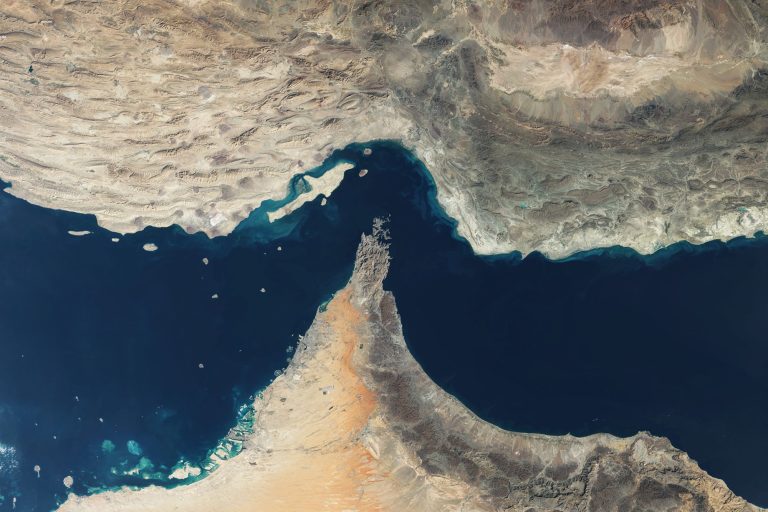
Illustration of Donald Trump's silhouette against a map of the Strait of Hormuz with a rising oil price graph.

Hormuz Closure Threatens Global Energy Stability

The effective closure of the Strait of Hormuz since March has disrupted one-fifth of global seaborne oil trade. With hundreds of tankers stranded and only limited transits occurring, the standoff is driving up global commodity prices and forcing nations to reassess their reliance on critical maritime chokepoints for energy and food security.

Read More »
A diplomatic meeting between an Iranian official and an Omani leader in a grand palace room.

Why Lasting Iran Deal Needs Arab Inclusion

While international mediators have secured a fragile truce between the U.S. and Iran, long-term peace hinges on the formal inclusion of Arab Gulf states. Given their firsthand exposure to regional threats and successful history of mediation, these nations are essential for crafting a multilateral framework that addresses ballistic missiles and maritime security.

Read More »
Close-up of several blue and white gas station fuel pumps.

US Economy Faces Stagflation Threat From Iran Oil Shock

A historic energy supply shock triggered by conflict in the Persian Gulf is threatening the U.S. economy with stagflation. As the Strait of Hormuz closure sends global oil and fertilizer prices soaring, Washington faces rising inflation and consumer anxiety, complicating Federal Reserve policy and shaping the domestic political landscape.

Read More »
Men in traditional Emirati clothing walking in front of a large ADNOC logo.

UAE Leaves OPEC: Fractures in Gulf Oil Power

In a historic move, the United Arab Emirates has announced its withdrawal from OPEC. Driven by frustrations over production quotas and escalating bilateral tensions with Saudi Arabia, Abu Dhabi is prioritizing strategic autonomy and ADNOC’s expansion plans, potentially reshaping the future of global oil market coordination.

Read More »
Vladimir Putin shaking hands with an Iranian official in a formal setting.

Hormuz Crisis Elevates Russia’s Role in Iran Diplomacy

Iran is intensifying its diplomatic outreach to Moscow and regional brokers like Oman to navigate the ongoing Hormuz crisis. By prioritizing maritime security and economic stability over immediate nuclear talks, Tehran aims to leverage global energy concerns and Russia’s mediation to counter U.S. pressure and secure long-term regional guarantees.

Read More »
A crowded anti-war protest in Times Square, New York City, with demonstrators holding yellow signs that read "HANDS OFF IRAN!" and "NO NEW US WAR IN THE MIDDLE EAST!" while photographers capture the scene.

Hormuz Blockade Tests Iran’s Resilience and US Resolve

The ongoing U.S. naval blockade of Iranian ports has turned the Strait of Hormuz into a volatile arena. While Washington aims to squeeze Tehran’s economy to force nuclear concessions, Iran is leveraging its geographic control over global oil supplies, shifting the economic burden onto international markets and testing American endurance.

Read More »
Close-up portrait of President Volodymyr Zelenskyy looking contemplative with a blurred Ukrainian flag in the foreground.

Zelensky’s Middle East Tour Tests Limits of Ukrainian Diplomacy

As Western fatigue sets in, President Zelensky has launched a high-stakes diplomatic campaign across the Middle East. Seeking to pivot from a dependent supplicant to a security provider, Kyiv is leveraging its frontline experience against Iranian drones to court Gulf investment. However, this report finds that regional powers—balancing their own ties with Moscow and Tehran—are unlikely to provide the transformative financial support Ukraine needs. In a multipolar world, pragmatism remains the only currency that counts.

Read More »