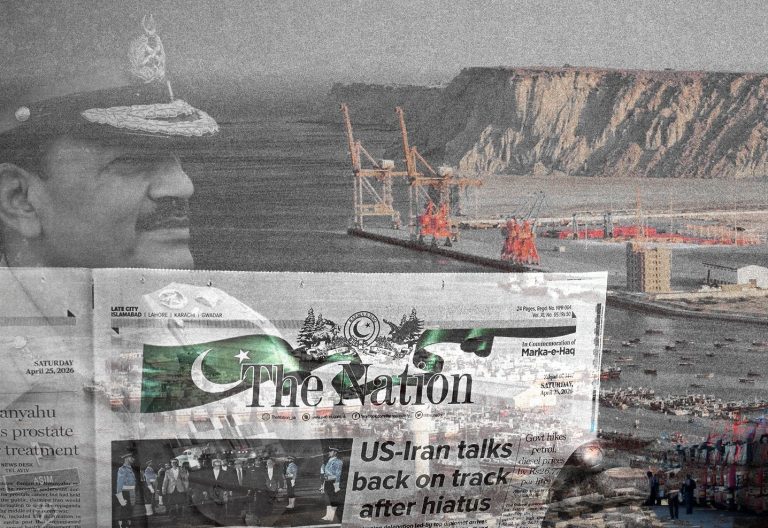
Pakistan has activated corridors that let Iranian cargo move overland through its western provinces while the Strait of Hormuz stays disrupted by conflict. The routes, including a short link from Gwadar to the Iranian border at Gabd, cut transit times dramatically and help both countries maintain trade flows. This step comes at a delicate moment when Islamabad also plays a growing part in talks between Washington and Tehran.
The closures exposed Pakistan’s own vulnerabilities. Energy imports, shipping schedules, and export revenues all suffered as Gulf routes became unreliable. Pakistani researchers warned that prolonged instability could cost billions in lost trade and higher fuel prices, adding fresh pressure to an economy already strained by security costs and debt. By opening these paths, authorities moved to protect domestic industry and prevent unrest along the long shared border with Iran.
Recent military gains changed Islamabad’s position. After clashing with India in 2025 and downing numerous aircraft, Pakistani leaders found themselves courted rather than isolated. Washington began praising army chief Asim Munir and Prime Minister Shehbaz Sharif, signaling possible investments in minerals and technology while quietly accepting Pakistan’s new diplomatic responsibilities. President Donald Trump has repeatedly highlighted Pakistan’s value, even as some American lawmakers and outlets questioned its closeness to Tehran.
That closeness allowed Pakistan to step into mediation between the United States and Iran. Back-channel meetings and direct shuttling by Pakistani officials helped lower temperatures after earlier strikes. Observers note that Washington appears willing to tolerate limited trade facilitation as long as it does not openly break sanctions enforcement. The arrangement gives Islamabad breathing room to address its own interests without choosing sides outright.
Geography and history both favor closer Iranian ties. Unlike Afghanistan, which has harbored militants targeting Pakistan for decades, Iran provided support during past conflicts with India and joined early regional cooperation efforts in the 1960s. Pakistani analysts argue that Tehran offers genuine strategic depth while Kabul has too often aligned with Pakistan’s adversaries. The current routes build on existing bilateral trade conducted in local currencies and reflect a realistic assessment of shared borders that cannot easily be sealed.
At the same time, Pakistan has advanced plans to integrate its crown jewel port more deeply into broader Eurasian networks. Officials at the recent Russia–Islamic World forum in Kazan expressed interest in linking Gwadar with the International North–South Transport Corridor championed by Moscow. This move aligns with ongoing work to revitalize Gwadar under Chinese partnership and could create faster connections from the Arabian Sea to Central Asia and beyond. Beijing and Islamabad recently reached new agreements to accelerate these projects and invite third-party participation.
The approach amounts to careful balancing rather than outright alignment against Washington. Pakistani policymakers recognize the value of American economic and security cooperation even as they pursue connectivity with China, Russia, and Iran. By offering diplomatic utility in a dangerous crisis, Islamabad has gained space to ease its own commercial disruptions and position itself as an essential node in emerging trade routes. Experts describe the strategy as driven by immediate needs: stable western borders, reliable energy, and protection from external shocks.
These corridors may outlast the current Hormuz crisis. If they become permanent fixtures, they will strengthen alternative supply chains less vulnerable to naval blockades or unilateral sanctions. For Pakistan the bet is clear: geography, recent battlefield performance, and diplomatic relevance together provide enough leverage to pursue multipolar ties without triggering decisive backlash from Washington. The coming months will test whether this calculated openness can deliver lasting economic gains while preserving fragile regional balances.
Original analysis inspired by F.M. Shakil from The Cradle. Additional research and verification conducted through multiple sources.