Tag: Donald Trump

USA and Iran flags standing side-by-side behind a row of press microphones.

Islamabad and the New Diplomacy: The Global South Steps Forward

The recent talks in Islamabad mark a structural shift in global diplomacy, signaling the rise of the Global South as a primary architect of international security. As Western mediation falters, the “Islamabad Process” demonstrates how multi-aligned regional powers are now indispensable in resolving complex conflicts and shaping a multipolar world.

Read More »
A street scene in Tehran featuring a large political billboard showing a hand controlling the Strait of Hormuz.

US Leverage in Hormuz Weakens Iran’s Position Long-Term

The strategic landscape of the Gulf is undergoing a permanent shift as the U.S. asserts maritime control over the Strait of Hormuz. With Saudi Arabia restoring its East-West pipeline to full capacity and regional powers investing in bypass routes, Iran’s traditional geographic leverage is weakening against a backdrop of massive domestic infrastructure damage.

Read More »
JD Vance shaking hands with Shehbaz Sharif during an official diplomatic meeting.

The STEP Quartet: How Four Muslim Nations Are Reshaping the Middle East

The emergence of the STEP quartet—Saudi Arabia, Turkey, Egypt, and Pakistan—marks a historic shift in Middle Eastern diplomacy. By brokering the Islamabad ceasefire, these four nations have positioned themselves as the primary mediators between Washington and Tehran, signaling a new regional order focused on strategic autonomy and collective security.

Read More »
A large oil tanker at sea showing visible damage and burn marks on its hull.

Iran’s Hormuz Leverage Reshapes Regional Power Balance

The strategic importance of the Strait of Hormuz has reached new heights in the wake of recent conflicts. By selectively managing one-fifth of the world’s oil supply, Iran has created a powerful economic lever that challenges conventional military dominance and forces global energy markets to recalibrate their long-term dependencies.

Read More »
A crying Lego figure representing a US official in front of the White House with miniature soldiers in the background.

Iran Gains Edge in Online Battle Over US Conflict

A new digital frontline has emerged as Iran leverages AI-powered satire and viral content to challenge the U.S. narrative. While Washington’s messaging faces domestic criticism for its tone, Tehran’s creative use of humor and social media has effectively reached global audiences, highlighting the growing power of asymmetric information warfare.

Read More »
JD Vance giving a thumbs-up while standing on the stairs of an airplane against a clear blue sky.

Trump’s Military Options Are Shrinking and Iran Knows It

President Trump’s decision to impose a naval blockade on the Strait of Hormuz signals a transition to economic warfare as military options become increasingly unsustainable. Facing $2 billion in daily conflict costs and depleted missile stockpiles, Washington is struggling to maintain pressure while Iran leverages its geographic advantages and strategic patience.

Read More »
A side-by-side comparison of diplomatic meetings featuring Shehbaz Sharif shaking hands with Iranian and US representatives.

Islamabad Talks Reveal Iran-US Negotiation Deadlock

High-stakes negotiations in Islamabad between the US and Iran have concluded without an agreement. Despite a fragile ceasefire and intense mediation, core disputes over uranium enrichment, sanctions relief, and maritime control in the Strait of Hormuz continue to block the path toward a durable regional settlement.

Read More »
Digital art of US and Iranian naval warships flanking a large oil tanker under a glowing economic trend line.

Iran Embraces Prolonged Confrontation After Failed Talks

Following the failure of direct negotiations in Islamabad, Iran has embraced a strategy of prolonged confrontation. By leveraging its control over the Strait of Hormuz and betting on global energy sensitivity, Tehran aims to outlast US political cycles, turning the maritime chokepoint into a tool of strategic endurance.

Read More »
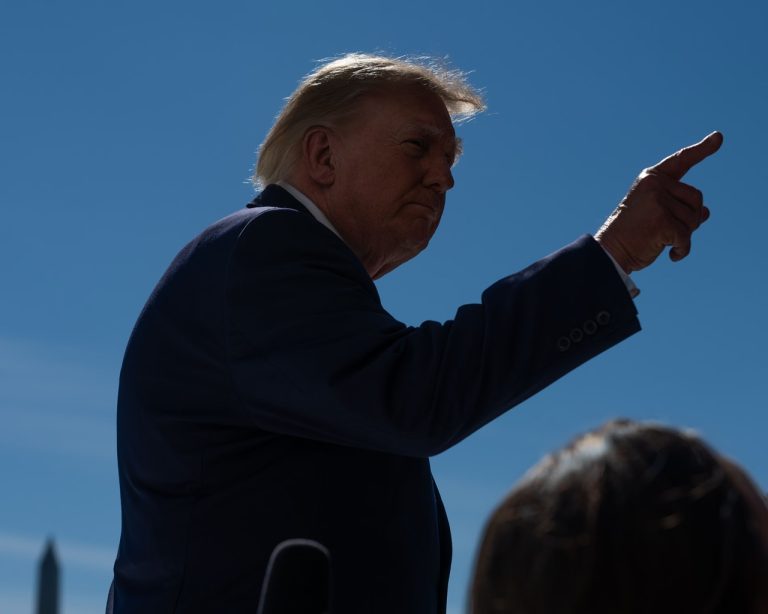
Donald Trump standing outdoors in a suit and red tie with the White House in the background.

Trump’s Path to Stabilizing US-Iran Ceasefire

As the US-Iran ceasefire holds, the Trump administration faces a critical window to stabilize global energy markets and address domestic economic pressures. By prioritizing the reopening of the Strait of Hormuz and coordinating with regional allies, Washington seeks to convert recent military leverage into a durable strategic settlement before the upcoming midterm elections.

Read More »
A digital collage featuring Donald Trump, the Iranian flag, and a military missile.

Trump’s Iran Moves Accelerate Shift in Global Power

The recent US-Iran conflict has exposed the limitations of unilateral military pressure in a multipolar world. While a ceasefire holds, the rise of a new regional quartet—Turkey, Pakistan, Saudi Arabia, and Egypt—alongside China’s increasing diplomatic role, suggests a significant decline in traditional American dominance over Middle Eastern security dynamics.

Read More »
Large white fuel storage tanks in the foreground with a cargo ship docked in the distance at dusk.

Sanctions Tool Faces Scrutiny Over Humanitarian Toll

A recent study reveals that unilateral sanctions contribute to over 564,000 excess deaths annually, disproportionately affecting children. Cases in Cuba and Iran demonstrate that while economic pressure aims for political shifts, it often results in severe humanitarian crises, infrastructure failure, and limited strategic success in the long term.

Read More »
Thick smoke billowing from an industrial oil refinery facility after an attack or explosion.

Calling Iran “Animals” Didn’t Win the War, It Helped Lose It

The recent conflict highlights how dehumanizing rhetoric and strategic contempt toward Iran resulted in significant military and intelligence failures. By dismissing the adversary’s scientific capacity and strategic depth, policymakers built a strategy on fiction, ultimately leading to a costly stalemate that failed to achieve its primary geopolitical objectives.

Read More »