Tag: Donald Trump

A raised clenched fist wrapped in the Iranian flag against a dark, blurred background with bokeh lights.

Iran’s History of Defiance Challenges US Pressure

The current U.S.-Iran conflict is the latest chapter in a century-long struggle for Iranian sovereignty. By analyzing historical milestones from the 1953 coup to the recent 2026 escalations, this report explores why coercive diplomacy and tactical strikes often backfire. In a region where collective memory shapes modern policy, the pursuit of “domination” continues to underestimate the enduring power of national dignity.

Read More »
A large mural on a building in Tehran featuring historical figures and naval ships, with birds flying in the foreground.

Hormuz Standoff Tests Limits of International Law

The extension of the US-Iran ceasefire has shifted the battlefield to the legal and maritime domain. In the Strait of Hormuz, competing interpretations of international law—specifically the tension between UNCLOS transit rights and the laws of naval warfare—have created a volatile equilibrium. With 20% of global oil at stake, this managed confrontation tests the limits of international oversight and the resilience of global supply chains.

Read More »
A conceptual illustration of hands assembling a missile like a puzzle against a blue background with a North Korean flag piece.

Cold Peace Offers Realistic Path on North Korea

After thirty years of unsuccessful attempts at total denuclearization, North Korea’s nuclear program has evolved into a formidable, permanent threat. As Pyongyang accelerates missile testing and expands its nuclear facilities, the window for traditional diplomacy has closed. A new pragmatic strategy—a “Cold Peace”—focused on immediate risk reduction and crisis management, may now be the only realistic path to ensuring regional stability.

Read More »
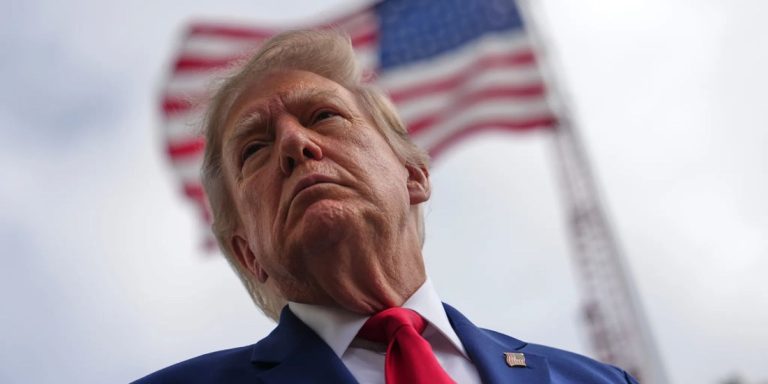
A portrait of Donald Trump looking directly at the camera with a serious expression, wearing a blue suit and purple tie.

US-Backed Figures Risk Familiar Fate in Iran Crisis

A recurring pattern in American foreign policy—the cultivation of local proxies for regime change—is once again playing out in the Iran conflict. From exiled figures to ambitious local politicians, those seeking power through external sponsorship often ignore the cautionary tales of the past. History suggests that such collaborations are inherently fragile, frequently ending in isolation or abandonment once Washington’s strategic priorities shift.

Read More »
Two chess kings, one silver and one black, standing on a chessboard with the blurred flags of the United States and Iran in the background.

Iran War Erodes US Appetite for Middle East Role

As the conflict enters its third month, domestic opposition to U.S. military engagement in the Middle East has reached a critical tipping point. Driven by rising energy costs and economic anxiety, a majority of Americans now disapprove of the ongoing campaign. With the 60-day War Powers Resolution deadline approaching, the administration faces a defiant Congress and a public increasingly weary of open-ended regional commitments.

Read More »
Donald Trump looking sternly as Shehbaz Sharif speaks at a podium during a formal event.

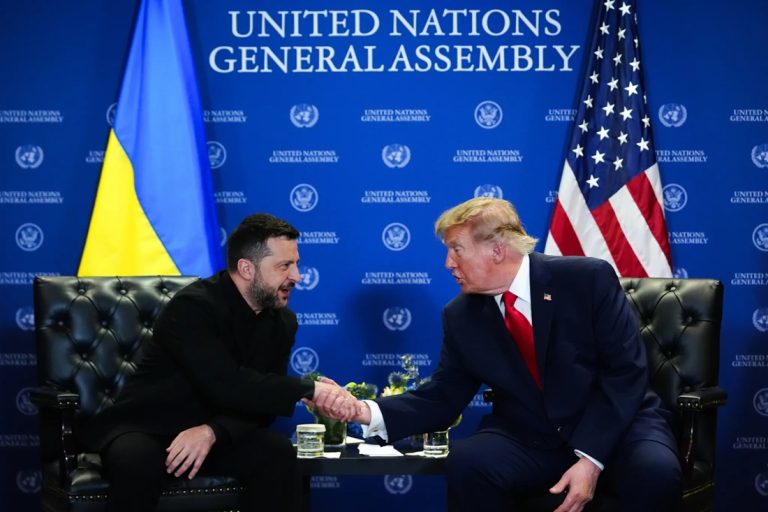
Pakistan’s Mediation Bid in Iran-US Crisis

Pakistan has emerged as a pivotal mediator in the ongoing US-Iran crisis, hosting historic high-level talks in Islamabad. Driven by urgent energy security needs and the risk of border instability, Pakistan is leveraging its unique relationships with both Tehran and Washington. However, as it seeks to translate diplomatic utility into economic investment, the shadow of past transactional relationships with the US looms over its strategic calculations.

Read More »
A row of blue banners on a street promoting "Islamabad Talks" for April 2026, featuring flags of the USA, Pakistan, and Iran.

Hormuz Opening Offers Path Past Iran Stalemate

As the second round of Islamabad talks stalls, a new “open for open” proposal is gaining traction as a way to decouple global energy security from the thorny US-Iran nuclear dispute. By mutually lifting naval blockades in the Strait of Hormuz, both nations could ease massive economic pressures without requiring immediate concessions on core strategic issues, providing a much-needed cooling-off period.

Read More »
A classic oil painting illustration of Uncle Sam looking stressed while leaning over a world map with European politicians around him.

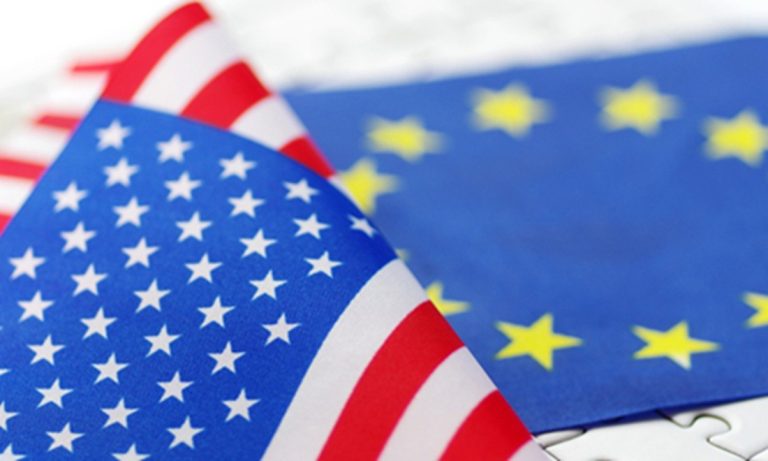
Europe Tests Limits of US Influence

The transatlantic relationship is entering a new, more transactional era as European leaders increasingly prioritize domestic stability over unconditional alignment with U.S. foreign policy. Prime Minister Keir Starmer’s decision to opt out of the naval blockade against Iran highlights a growing strategic divergence, where European capitals are no longer willing to bear the economic costs of American-led confrontations.

Read More »
Industrial scene at a port showing a crane lifting large white and brown bags of sulfur.

Iran War Triggers Global Sulfur Supply Crisis

Beyond oil and gas, the Iran conflict has triggered a severe global sulfur shortage. As a critical byproduct of energy production, Middle Eastern sulfur exports underpin the world’s fertilizer, nickel, and copper industries. With major producers like Turkey and China imposing export bans, the “sulfur crunch” is now emerging as a major threat to global food security and the green energy transition.

Read More »
Viktor Orbán speaking to a crowd of journalists with several microphones in the foreground.

Orban’s Ouster Reshapes Hungary and Europe

In a historic political upheaval, Hungarian voters have ended Viktor Orban’s long-standing grip on power, awarding Peter Magyar’s Tisza party a decisive supermajority. The result reflects deep-seated frustration with economic stagnation and corruption, potentially removing a major obstructionist voice within the EU and reshaping the landscape of European populism.

Read More »
JD Vance speaking at a podium with the US Seal during a formal briefing.

The US–Iran Peace Puzzle: Why Islamabad Didn’t Deliver

The collapse of the Islamabad talks has exposed the deep-seated mistrust and “maximalist” positions hindering a US-Iran peace deal. While a fragile ceasefire holds until April 22, the 15-year gap in nuclear enrichment proposals and the ongoing naval blockade of the Strait of Hormuz suggest that both nations are still far from a sustainable regional settlement.

Read More »
A digital maritime map showing heavy shipping traffic and vessel icons in the Strait of Hormuz.

Strait of Hormuz: A Blockade Both Sides Can’t Afford to Lose

The U.S. naval blockade of Iran’s coast has turned the Strait of Hormuz into a high-stakes endurance test. While Iran faces critical oil storage limits and a crippled economy, Washington must navigate global energy shortages and domestic political pressure, making the next round of talks vital for regional stability.

Read More »