Tag: Arms Trade

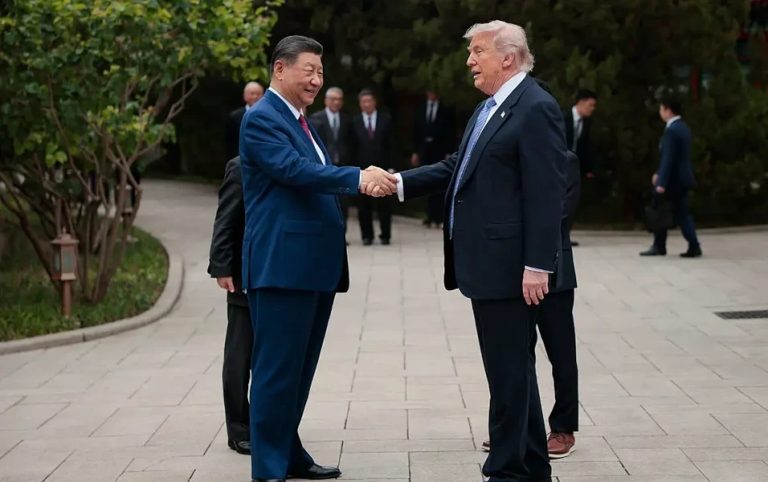
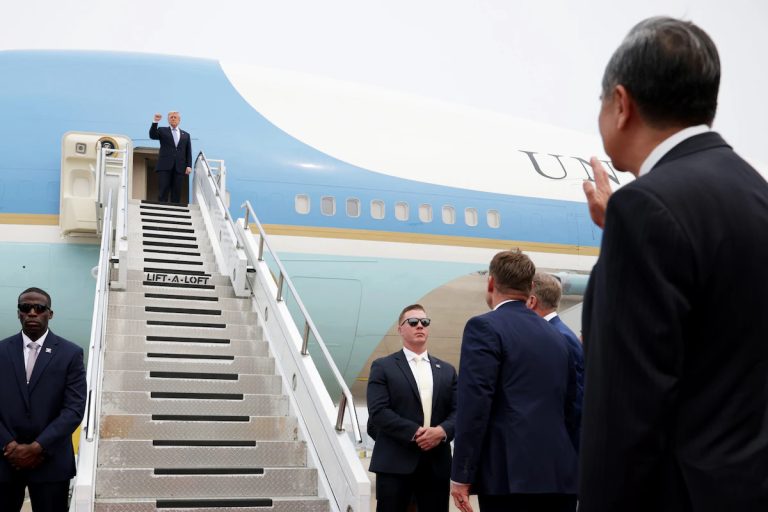
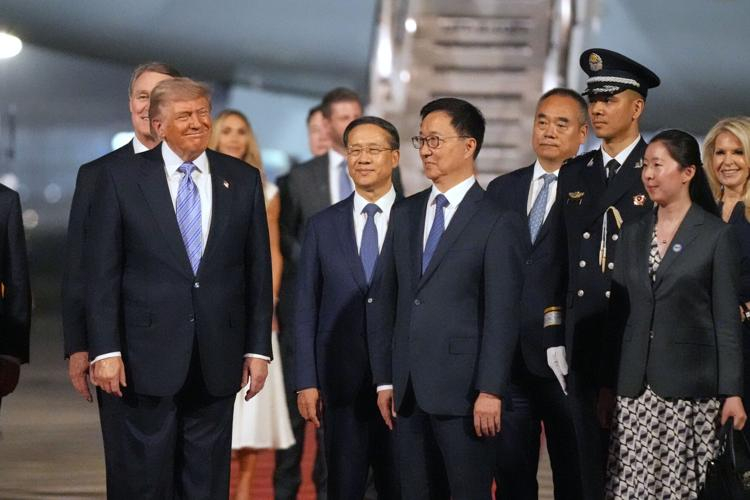
Donald Trump walking alongside international diplomats and officials on a tarmac at night, surrounded by security and government personnel.

Taiwan’s Strategic Bet After Trump’s China Visit

This analysis examines the strategic dilemma facing Taipei following Donald Trump’s recent Beijing summit with Xi Jinping. Trump’s remarks outlining boundaries on U.S. support highlight the transactional nature of Washington’s deterrence policy, underscoring Taiwan’s need to maintain a disciplined defense strategy without triggering a cross-Strait conflict.

Read More »
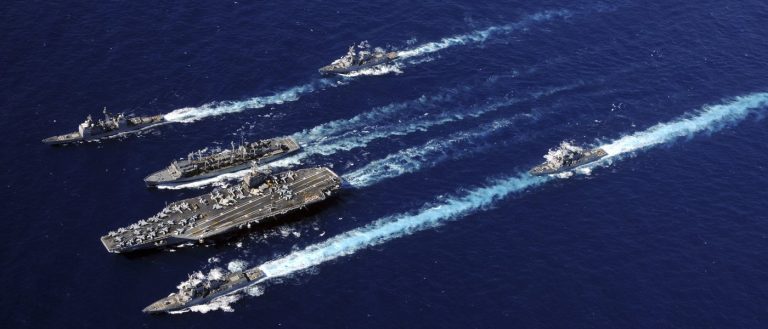
Aerial view of a US Navy carrier strike group moving across the blue ocean.

US Munitions Crisis Threatens China Deterrence

Recent combat operations in the Middle East have significantly depleted American munitions reserves, raising alarms about U.S. readiness to deter China. As Beijing maintains a massive lead in industrial production, the Pentagon is prioritizing the “Hellscape” strategy—using swarms of unmanned systems to defend the Taiwan Strait—while struggling to address a multibillion-dollar backlog in conventional arms deliveries to Taipei.

Read More »
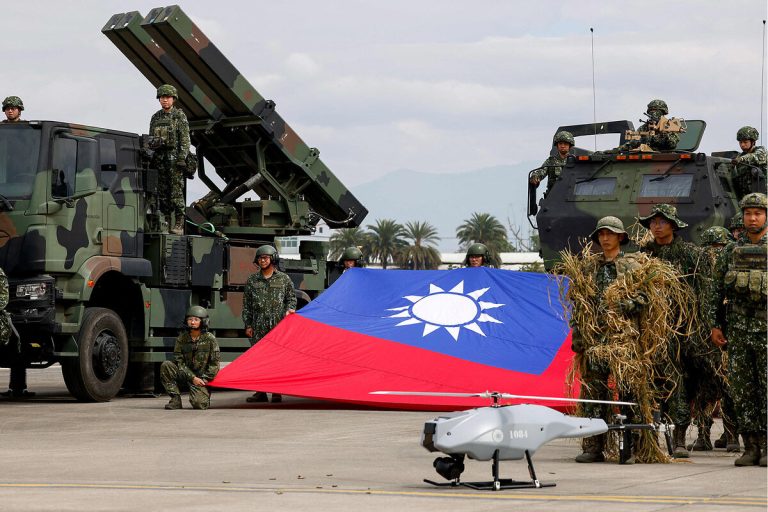
Taiwanese soldiers in camouflage standing with a large national flag next to military missile launchers and a drone.

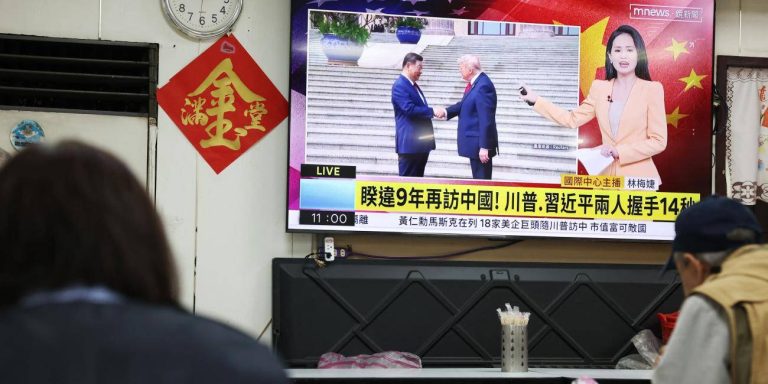
Trump-Xi Summit Tests Taiwan’s Trust in US Support

President Trump’s Beijing summit has intensified anxieties in Taiwan regarding the stability of American security commitments. Despite a record $11 billion arms authorization, delivery delays and transactional demands for semiconductor investments have significantly eroded Taiwanese public confidence. As Xi Jinping prioritizes Taiwan in talks, the region remains wary of shifts in Washington’s long-standing strategic ambiguity.

Read More »

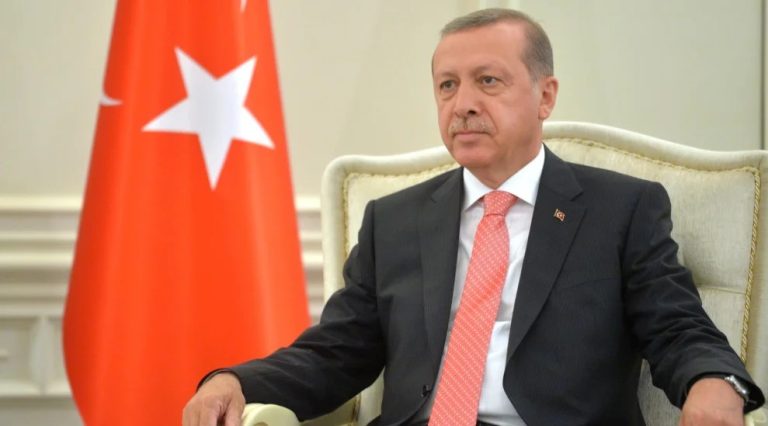
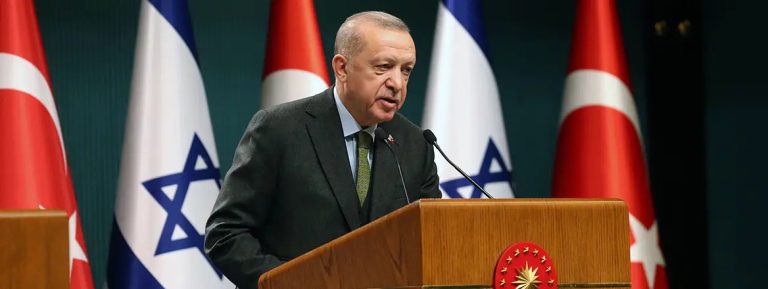
Sunni Quartet Builds Security Ties in Middle East

Driven by doubts over Western security guarantees and the fallout from the U.S.-Iran war, a new strategic alignment is taking shape between Turkey, Egypt, Saudi Arabia, and Pakistan. This “Sunni-Muslim accord” combines a population of 500 million with significant military industrial potential, aiming to establish a localized security platform that reduces dependence on outside powers and provides a “nuclear umbrella” via Pakistan’s deterrent capabilities.

Read More »
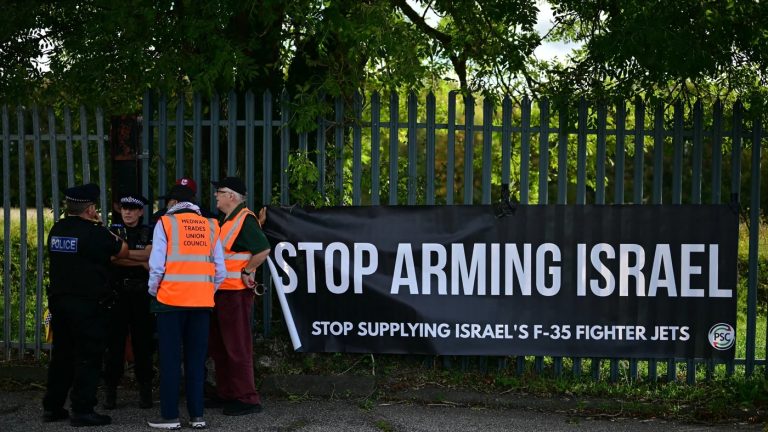
Protesters holding a large black banner that reads "STOP ARMING ISRAEL" near a metal fence with police officers nearby.

Israel’s War Economy Faces Global Isolation Test

Israel’s economy is navigating a critical turning point as defense spending nears 8% of GDP. Facing a rising fiscal deficit and cooling foreign investment, the nation is testing whether its specialized security exports can offset growing diplomatic isolation and mounting pressure from traditional Western allies to reconsider trade and military aid.

Read More »

Karaganov’s Nuclear Gambit: Russia’s Hawkish Voice Grows Louder

Sergey Karaganov is intensifying his call for a radical overhaul of Russia’s nuclear strategy following the expiration of the New START treaty. His May 2026 proposals advocate for offensive deterrence, resumed nuclear testing, and targeting European centers, reflecting a dangerous shift in Moscow’s rhetoric toward global escalation and strategic compellence.

Read More »
A missile being launched from the deck of a US Navy destroyer at sea, leaving a trail of white smoke.

US Missile Stocks Dwindle After Iran Ceasefire

Following the ceasefire with Iran, Pentagon officials are assessing significantly depleted weapons inventories. The high consumption of expensive systems like Tomahawks and Patriots has highlighted a need for more sustainable options. Consequently, the U.S. is accelerating the production of affordable alternatives, including the $35,000 LUCAS “kamikaze” drone.

Read More »
Dramatic digital art of a coastal conflict with an American flag in the foreground and a damaged globe.

The Gulf Conflict and the Accelerating Shift to Multipolarity

The second month of the 2026 Iran War marks more than just a regional military crisis; it is the catalyst for a fundamental reordering of global power. The conflict has acted as a “stress test” for 20th-century security models, and the results have accelerated a shift toward a multipolar world where American unilateralism is being replaced by regional self-reliance and alternative financial networks.

Read More »
A conceptual image showing the USA and Iran flags separated by a deep, fiery crack in a stone surface.

Gulf States Face a Strategic Reckoning After Iran War

One month into the war, the Gulf Cooperation Council (GCC) states are navigating what has been described as a “Zeitenwende moment”—a systemic shift that is dismantling the decades-old security and economic models of the region. As of April 1, 2026, the conflict has evolved from a targeted strike into a regional emergency that has exposed the fragility of the Gulf’s “oases of stability” narrative.

Read More »
Several men in dark suits walking past a building with a "FRANCK MULLER" watch advertisement in the window, with a seagull blurred in flight.

Ukraine Offers Drone Killers to the Gulf While Russia Cashes In on War

Russia is profiting from the Iran war as oil prices surge, sanctions ease, and U.S. air‑defense stockpiles drain. Ukraine, facing shortages, is pivoting fast — offering its battle‑tested counter‑drone tech to Gulf states. As Moscow plays mediator and shares intelligence with Tehran, Kyiv fights to stay relevant in a distracted world.

Read More »