Israel’s economy has undergone a dramatic reorientation toward permanent military readiness over the past several years. Multiple active fronts, from Gaza and the West Bank to Lebanon, Syria and direct exchanges with Iran, have driven this change. As defense priorities consume growing shares of public funds, the model now risks long-term strain from both internal fiscal pressures and eroding support among traditional Western partners.
Military allocations have nearly doubled since 2023, pushing spending close to eight percent of GDP during peak periods. The 2026 state budget reflects these demands, with growth forecasts trimmed to between 3.3 and 3.8 percent depending on how long current operations continue. This focus has inflated the fiscal deficit, placed the debt-to-GDP ratio on an upward trajectory, and limited resources available for education, infrastructure and civilian innovation.
Tourism arrivals remain below pre-conflict levels despite partial recovery, while foreign investors have grown more cautious amid regional instability and reputational concerns. The security sector, by contrast, has expanded rapidly. Israeli firms continue to develop and export advanced surveillance tools, drones and artificial intelligence systems honed in ongoing operations, creating a specialized industrial base that generates revenue but ties prosperity ever more tightly to conflict.
Shifting International Sentiments
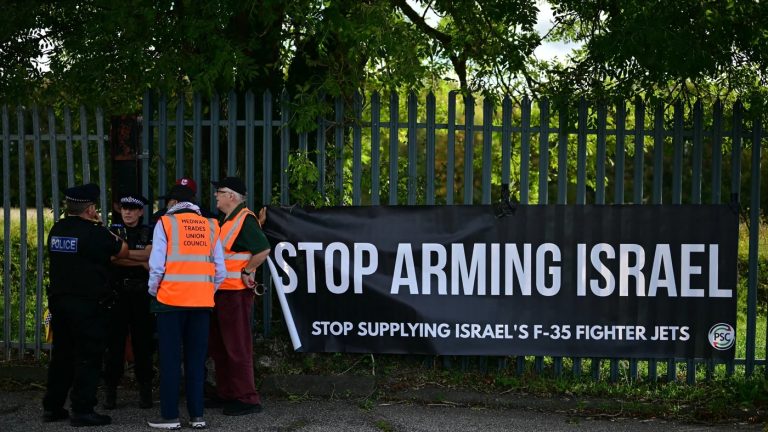
Public attitudes in the United States and Europe have shifted significantly. Recent surveys show unfavorable views of Israeli policy reaching historic highs, especially among younger adults and Democrats. This evolution has increased political pressure to restrict arms transfers and reconsider unconditional military aid that has long formed the backbone of bilateral ties. While major legislative changes have been slow, negotiations over the future of American assistance signal that the era of automatic support may be narrowing.
In Europe, Israel’s largest trading partner, similar dynamics are at play. Several member states have pushed to review or suspend trade preferences linked to the EU-Israel Association Agreement, citing concerns over settlements, civilian casualties and broader regional conduct. Although unanimous decisions remain difficult, the frequency of these debates and targeted measures against settlers indicate that economic consequences could eventually follow sustained diplomatic isolation.
Legal Pressures and Global Accountability
International legal and human rights bodies have added further complications. A detailed UN analysis by Special Rapporteur Francesca Albanese describes the current arrangement as having evolved from an economy of occupation into something more encompassing, urging greater corporate accountability and divestment from associated industries. These findings, alongside proceedings at international courts, increase legal and reputational risks for foreign governments and companies engaged with certain Israeli defense and settlement-linked activities.
Israel has responded by expanding arms sales to non-traditional partners in Asia, Africa and elsewhere while investing heavily in public diplomacy. Yet few nations appear prepared to offer the combination of financial, military and diplomatic cover historically provided by Washington. Without that depth of support, maintaining high-intensity operations across multiple theaters becomes significantly more expensive and diplomatically costly. Domestic politics, meanwhile, show little sign of moderating the hardline approach that has contributed to current isolation.
The coming years will test whether technological edge and selective export markets can offset the burdens of elevated debt, disrupted civilian sectors and diminished global standing. Other states have learned that over-reliance on military-driven growth often leads to painful corrections when external backing fades. For Israel, bridging security imperatives with economic resilience and international legitimacy represents an increasingly difficult balance.
Original analysis inspired by Antony Loewenstein from Middle East Eye. Additional research and verification conducted through multiple sources.