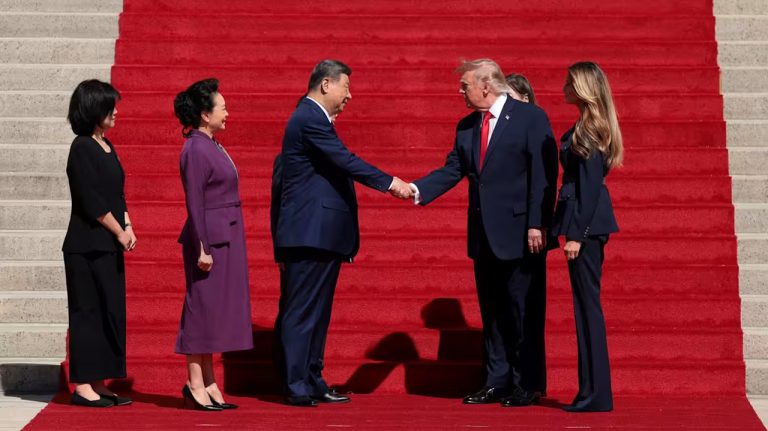
The recent diplomatic gathering between the American and Chinese presidents in Washington delivered many smiles but little substantive progress for global stability. Instead of securing permanent structural changes to bilateral disputes, the administration opted for temporary agreements that fail to constrain Beijing. Analysts argue that Washington compromised its diplomatic leverage in exchange for brief political reprieves. Consequently, fundamental challenges regarding technology competition, economic fairness, and international security remain completely unresolved.
Artificial Intelligence and Public Health
While officials announced a future bilateral dialogue to manage severe security incidents related to advanced algorithms, the broader technological competition continues unrestrained. The American president publicly dismissed the necessity of establishing safety frameworks for rapid technological development, essentially encouraging laboratories to accelerate their work without proper safeguards. Separately, although Chinese authorities implemented new rules to curb synthetic opioid precursors, experts emphasize that voluntary internal enforcement is insufficient. Without verifiable international oversight mechanisms, global drug trafficking networks will likely adapt and endure.
Economic Policies and Market Protection
Domestic manufacturers constantly struggle against an influx of heavily subsidized exports that distort global markets. Instead of implementing targeted defensive measures, the current administration delayed a scheduled tariff designed to offset these imbalances. In addition, officials agreed to mutual tariff reductions on ordinary goods while failing to extract any meaningful concessions regarding the export of vital minerals. This approach effectively lowers trade barriers for a major mercantilist competitor while leaving essential supply chains vulnerable. Traditional European and North American allies remain frustrated, as they now face comparatively stricter economic barriers than their primary competitor.
Geopolitical Alliances and Security
The geopolitical dimensions of the bilateral meeting were equally concerning for international observers. Official records omitted any mention of democratic governance in Taiwan, despite Beijing constantly threatening the island. Curiously, reports suggest the administration even offered military equipment to Beijing, a move that contradicts existing federal laws, while simultaneously freezing a significant defensive weapons package meant for Taipei. Simultaneously, the White House remained silent on human rights abuses and the ongoing detention of foreign scholars. The American leadership also ignored the financial and material support flowing to adversaries in Eastern Europe and the Middle East, signaling that alliance commitments might be secondary to maintaining a positive personal dynamic with foreign leaders.
As global watchers anticipate more leadership dialogues later this year, the current approach requires serious recalibration. Prioritizing ceremonial triumphs over verifiable policy achievements ultimately weakens international security architecture and strengthens authoritarian competitors. Moving forward, a stronger negotiation stance that prioritizes measurable results over mere dialogue will be essential to protect democratic interests worldwide.
Original analysis inspired by Michael Clark and Jonathan Fritz from Center for American Progress. Additional research and verification conducted through multiple sources.