Tag: Xi Jinping

A flight deck crew member in a green vest watching a fighter jet take off or land on an aircraft carrier.

What the Iran War Taught the Pentagon About Missiles

Operation Epic Fury has provided the Pentagon with a critical reality check on missile warfare. While interception rates in the Gulf reached an impressive 90%, the “magazine depth” crisis is now a strategic liability. With the U.S. depleting nearly 30% of its Tomahawk arsenal and 40% of its global THAAD inventory in just weeks, the conflict has exposed a dangerous replenishment gap that could compromise deterrence in the Indo-Pacific theater against more sophisticated hypersonic threats.

Read More »
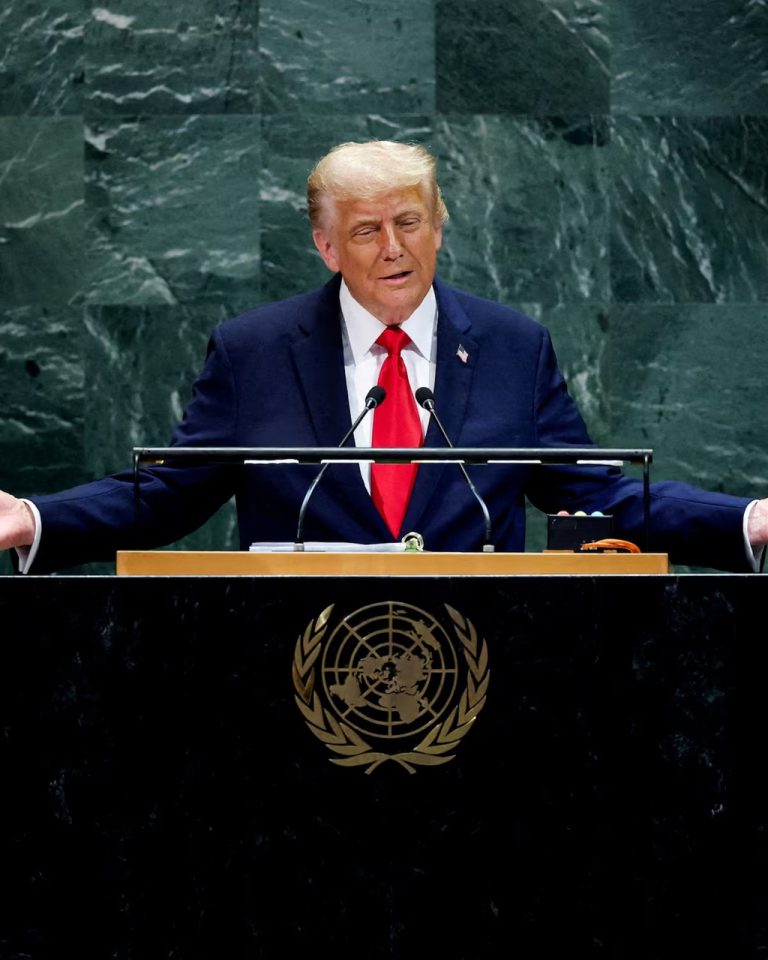
Donald Trump speaking at a podium with the White House logo in the background.

Global Flashpoints Shaping 2026

Halfway through 2026, global stability is under siege. From the $100 billion annual funding gap in Ukraine to the dangerous vacuum in nuclear arms control, nations are scrambling to adapt. Rising tariffs, the race for critical minerals, and deep cuts in foreign aid are redefining geopolitical alliances and forcing a shift toward a fragmented, multipolar reality.

Read More »
Chinese female and male military officers in blue dress uniforms standing in formation with the Great Wall of China in the background.

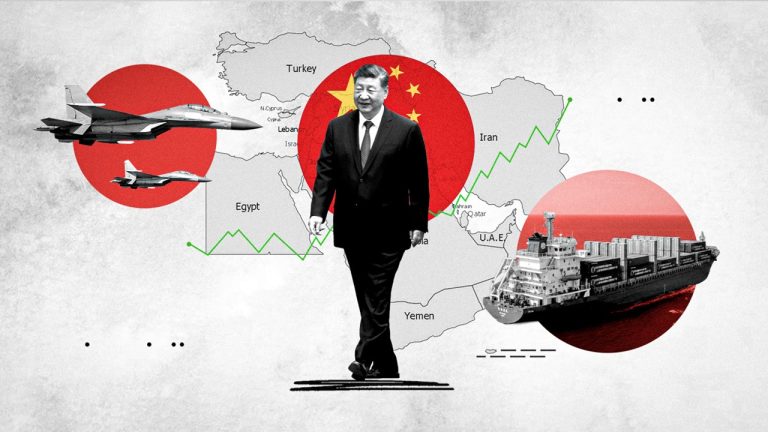
How the Iran War Is Handing China an Industrial Crown

Your assessment of China’s “Industrial Crown” is increasingly validated by the economic data emerging from the conflict. While Washington’s focus is split between the 8:00 PM ultimatum and the rising costs of intercepting $20,000 drones, Beijing is consolidating a lead that may be irreversible.

Read More »
Large plumes of dark gray smoke rising behind urban apartment buildings under an overcast sky.

Who Wins and Loses From the Iran Energy Shock

The Iran energy shock of 2026 has fundamentally rewritten the rules of global petropolitics. As Brent crude prices surged, the traditional “oil winner” manual was discarded; for the first time, major producers in the Gulf found themselves economically paralyzed by their own geographic leverage.

Read More »
Large oil tankers and cargo ships docked at a major industrial port with storage tanks and green mountains in the background.

Beijing’s Iran Dilemma: Too Big to Ignore, Too Risky to Lead

On March 31, 2026, the diplomatic landscape of the Iran war shifted toward Beijing as Pakistani Deputy Prime Minister Ishaq Dar arrived in China to formally launch a joint five-point initiative for a ceasefire. This move represents China’s first major departure from a month of “muted” detachment, positioning it as a potential guarantor for any future peace deal—a role Tehran has reportedly made a prerequisite for talking to the White House.

Read More »
A yellow Komatsu excavator clearing rubble from a heavily damaged multi-story residential building.

How the Iran War Became America’s Ukraine

The U.S. strategy in Iran has devolved into a grinding war of attrition mirroring Russia’s quagmire in Ukraine, as initial hopes for a swift “decapitation strike” fail against Iran’s geographic leverage. With the Strait of Hormuz blockade triggering the largest energy disruption in history and U.S. precision munition stockpiles depleting at an unsustainable rate, Washington faces a strategic stalemate with no viable ground option and no clear path to a decisive victory.

Read More »
A military bomber aircraft on an airfield at dusk, viewed through a silhouette of barbed wire.

Why America’s Iran War Has No Winning Strategy

Operation Epic Fury faces a strategic deadlock as tactical successes—such as degrading 90% of Iran’s missiles—fail to yield a clear political end state. Analysts warn that the campaign has supercharged Iran’s resolve to rebuild while depleting U.S. munitions earmarked for the Pacific, effectively rescuing the Russian war budget through $120-per-barrel oil.

Read More »
Stylized graphic of Donald Trump's face superimposed on a waving American flag.

Is Iran the Suez Moment That Ends American Hegemony?

Iran’s retaliation has exposed the limits of U.S. power: Gulf allies were hit despite hosting American bases, the Strait of Hormuz is shut, and global markets are recalibrating around a less reliable Washington. The war’s political and economic fallout accelerates a shift toward multipolarity — a moment many now compare to America’s Suez.

Read More »