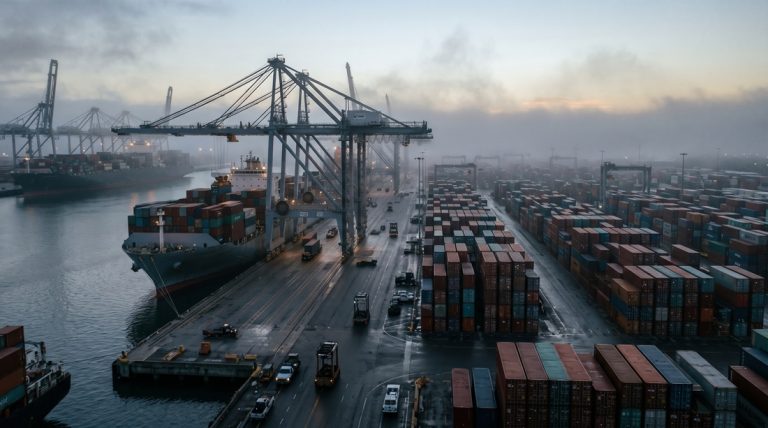
For decades, developing economies followed a reliable formula to catch up with wealthy nations by combining low cost labor, export manufacturing, and open Western markets. That postwar pathway is now breaking down under the combined weight of industrial automation, geopolitical tariffs, and strict carbon border taxes. Global economic growth has slowed to sluggish levels across emerging markets, leaving middle and low income countries with fewer avenues for rapid industrialization. Without a viable alternative, widening economic divergence threatens to deepen global instability.
Major powers have increasingly adopted sweeping industrial subsidies, technology export controls, and protective trade barriers to shield strategic domestic sectors. While wealthy economies can afford massive state investments in clean energy and advanced manufacturing, developing nations lack the fiscal capacity to compete in a subsidy race. Trade agencies have highlighted how geopolitical fragmentation and green regulatory hurdles disproportionately penalize smaller exporters across Africa, Latin America, and Asia.
China Steps Into the Western Vacuum
As Western markets erect higher barriers against manufactured imports, Beijing has expanded its economic footprint across the Global South through infrastructure financing, industrial parks, and affordable clean technology. Regional researchers have examined how fragmented global trade leaves developing economies heavily reliant on Chinese supply chains and capital. Even where local governments seek diversified partnerships, Western capital and technology transfers have largely failed to materialize at the necessary scale.
Recent policy studies have concluded that unless the United States and its allies restore market access and development financing, emerging economies will inevitably gravitate toward Beijing’s trade ecosystem. Shutting the door on export led development does not contain rival powers; instead, it accelerates the formation of alternative commercial standards outside Western influence. Reversing global divergence requires offering developing nations tangible economic opportunities rather than demanding geopolitical alignment without material support.
Original analysis inspired by Zongyuan Zoe Liu from Council on Foreign Relations. Additional research and verification conducted through multiple sources.