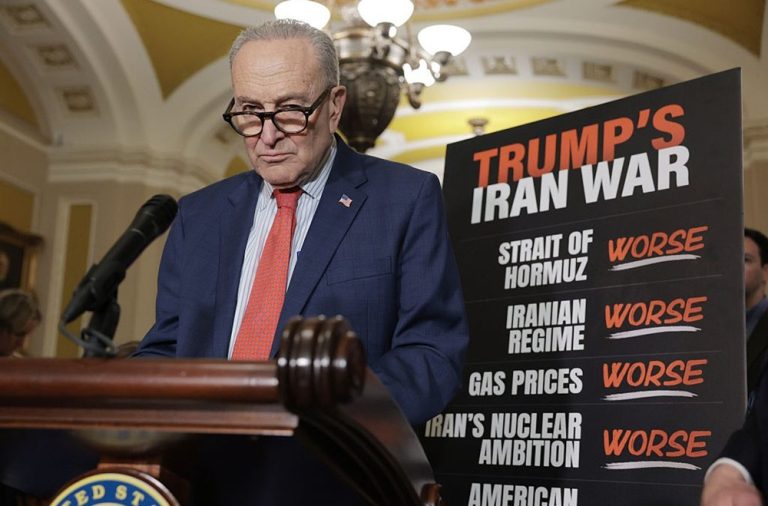
The ongoing military confrontation between the United States and Iran has evolved beyond traditional national security parameters, rapidly becoming a central domestic issue ahead of the upcoming midterm elections. While Washington spent much of the year treating the conflict as a matter of military strategy and deterrence, the realities of the war are now colliding with domestic economic anxieties and debates over congressional authority. As voters prepare to cast ballots for the entirety of the House of Representatives and a third of the Senate, the election results will fundamentally shape the administration’s foreign policy leverage for the remainder of President Donald Trump’s term.
The most immediate domestic impact of the overseas conflict is felt at the gas pump, transforming abstract geopolitical tensions into tangible household financial burdens. Transit disruptions through the Strait of Hormuz severely impact global crude oil markets, ensuring that international supply shocks translate directly to higher domestic retail prices. Earlier this year, a closure of the strait drove United States retail gasoline averages to steep highs, heavily squeezing consumers. Consequently, an AP-KFF survey revealed that the rising cost of living remains the paramount anxiety for voters, particularly in rural areas where conservative support traditionally remains strong but is increasingly complicated by economic frustration.
The political debate also heavily encompasses the constitutional balance of power regarding military deployments. Late last month, the United States Senate narrowly rejected a War Powers resolution in a tight 49-50 vote. The legislation, aimed at halting unauthorized military operations against Iran, forced elected officials in both major parties to publicly define their stance on the administration’s military strategy and executive authority. This legislative friction demonstrates that the war is no longer strictly an executive branch narrative, as lawmakers weigh how much unchecked authority they are willing to grant the White House during an active conflict.
Complicating matters further, President Trump has explicitly linked ongoing diplomatic negotiations to the November election timeline, suggesting that a comprehensive settlement with Tehran might only materialize after voters head to the polls. By publicly tying a potential diplomatic breakthrough to the midterms, the administration inadvertently ensures that the political calendar becomes a core component of the diplomatic story. As foreign governments like Iran openly monitor the American domestic calendar, it becomes clear that the military and diplomatic strategies regarding the Middle East are now inextricably linked to campaign strategies and the looming electoral judgment of the American public.
Original analysis inspired by Michael Harrison from Foreign Policy In Focus. Additional research and verification conducted through multiple sources.