Category: Asia

Chinese military officers in green uniforms walking in front of the Great Hall of the People in Beijing.

Beijing’s Patient Strategy on Taiwan

Beijing pursues unification through patience, leveraging power trends, Taiwan’s divisions, and gray‑zone pressure while avoiding a costly war. Its long game aims to make political convergence seem inevitable without triggering catastrophic conflict.

Read More »
Official diplomatic meeting between Iranian and Chinese delegations seated at a long conference table with national flags.

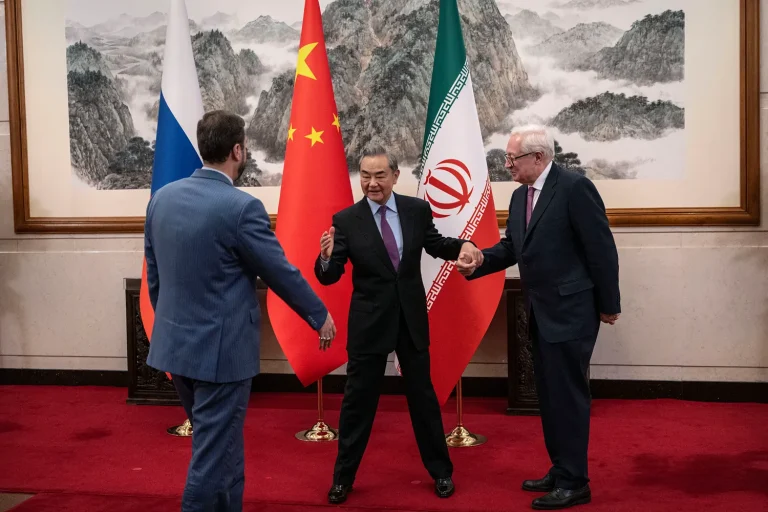
China’s Legal Pushback on US Iranian Oil Sanctions

On May 2, 2026, China’s Ministry of Commerce issued a landmark directive blocking compliance with U.S. sanctions targeting refineries processing Iranian crude. By formalizing legal resistance and expanding RMB-based payments, Beijing is institutionalizing its defense against financial coercion, directly challenging the extraterritorial reach of Washington’s energy-related penalties.

Read More »
Asim Munir and Marco Rubio conversing in a formal setting.

Why Pakistan’s Iran Mediation Won’t Reset US Ties

Despite successfully brokering a fragile April ceasefire between Washington and Tehran, Pakistan faces a steep climb to restore long-term strategic trust with the U.S. Persistent concerns over militant groups, the fallout from the 2025 Pahalgam attack, and Islamabad’s deep economic ties with China suggest that the current warmth remains largely transactional and issue-dependent.

Read More »
Aerial view of a massive cargo ship loaded with colorful containers at sea.

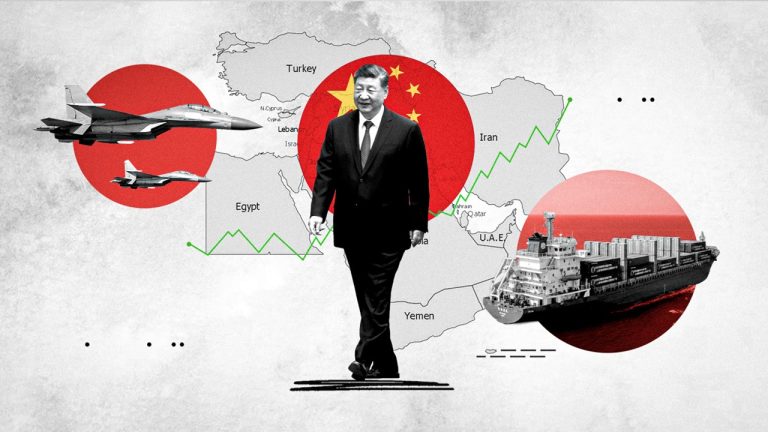
China’s Shipping Shield Blunts American Sanctions

Beijing is effectively countering American economic pressure by weaponizing its maritime dominance. With over half of global shipbuilding output and strategic investments in 168 ports worldwide, China has built a “shipping shield” that secures its energy imports and trade routes, rendering traditional financial sanctions increasingly ineffective in the lead-up to high-level diplomatic talks.

Read More »
Three humanoid robot faces with expressive eyes on a large display.

China’s Affordable AI Reshapes Emerging Markets

A shift in global AI adoption is unfolding as developing nations embrace Chinese open-source models for their affordability and customization. From Africa to Southeast Asia, these systems are becoming the practical default, allowing countries to build sovereign AI programs that reflect local languages and priorities while bypassing the high costs of American counterparts.

Read More »
Industrial port with shipping containers, cargo trucks, and heavy cranes.

Hormuz Tensions Shift Afghanistan Aid Routes to Central Asia

Ongoing conflict in the Strait of Hormuz has fractured traditional humanitarian supply lines, forcing agencies to reroute Afghan aid through Central Asia. With 3.7 million children at risk of malnutrition, the Lapis Lazuli Corridor and hubs like Termez have become vital lifelines for delivering essential food and medical supplies.

Read More »
Portrait montage of world leaders Vladimir Putin, Xi Jinping, and Donald Trump.

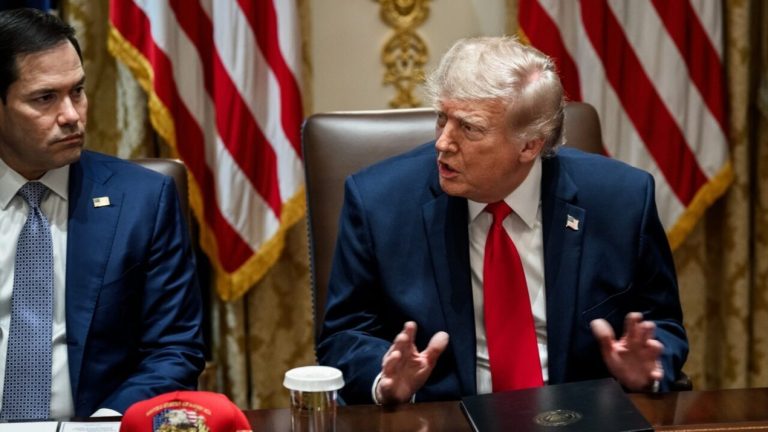
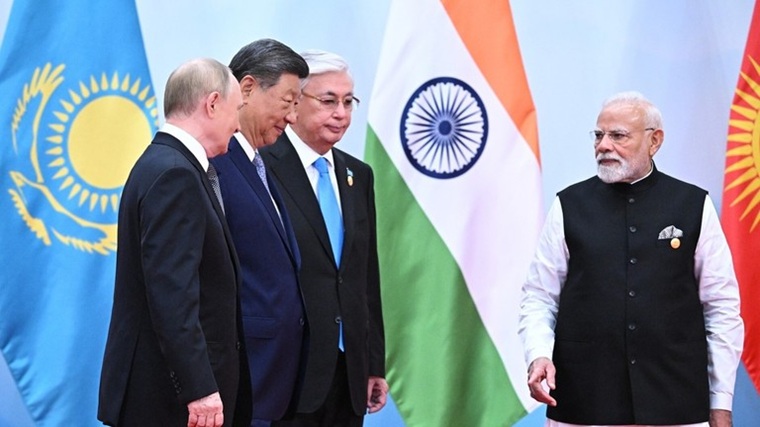
Why Grand Bargains Elude Washington, Beijing and Moscow

High-level summits in Beijing between leaders of the U.S., China, and Russia highlight a new era of strategic distrust. As interdependence fades, these powers are prioritizing economic resilience and flexible, time-limited understandings over comprehensive global accords. This shift reflects a broader trend toward a fragmented, multipolar world defined by competition rather than shared rules.

Read More »
Large Chinese ballistic missile canisters on transport vehicles during a military parade with a soldier in the foreground.

US-China Nuclear Rivalry Edges Closer to the Brink

China’s rapid nuclear buildup, projected to exceed 1,000 warheads by 2030, is fundamentally reshaping global strategic stability. Driven by fears of US intervention, Beijing’s expansion has accelerated American modernization and deepened regional tensions. Breaking this cycle requires pragmatic, small-scale transparency measures and concrete discussions on restraint during upcoming high-level summits.

Read More »
Workers climbing a high metal scaffolding to install white panels on a large building frame.

Why Strategic Hedging Defines Modern Statecraft

Driven by recent global upheavals, modern statecraft is increasingly defined by strategic hedging. Middle powers and established unions are diversifying their economic partnerships, defense suppliers, and resource chains to maximize autonomy. While this shift toward security over efficiency incurs economic costs, it provides essential insurance against an unpredictable international landscape.

Read More »
Indian Prime Minister Narendra Modi speaking at a podium during an official event.

India’s Strategic Risks in the Iran Conflict

While India successfully maintained maritime access during the Iran conflict, the crisis has exposed deep strategic vulnerabilities. Beyond energy and remittance dependencies, New Delhi must navigate shifting regional alliances, the potential for ideological spillover into South Asia, and the long-term impact of a weakened Israel on India’s own defense procurement.

Read More »
A diverse group of international visitors and local guides standing in a lush green tea plantation in rural China, examining freshly picked tea leaves.

China’s Governance Model as Global Export: Appeal, Strategy, and Limits

Beijing is aggressively positioning its state-led governance model as a viable alternative to liberal democracy. By targeting students and scholars from the Global South through expansive scholarship programs and the Belt and Road Initiative, China aims to shape global narratives on modernization while bypassing political resistance in the West.

Read More »
Indian Prime Minister Narendra Modi and President Donald Trump shaking hands while seated in the Oval Office, with aides and a fireplace in the background.

Trump’s Transactional Shift in US-India Relations

The US-India partnership is entering a pragmatic new phase characterized by a focus on tangible outcomes in trade, technology, and defense. While shared concerns regarding China’s influence sustain the alliance, the relationship now navigates a transactional landscape where immediate mutual benefits and market access take center stage.

Read More »