Category: Asia

A chess board featuring a US dollar bill and a Chinese yuan bill facing off with knight pieces.

Washington Is Building the Yuan’s Latin American Empire With Its Own Hands

This analysis examines how U.S. foreign policy—specifically the increased use of sanctions and unpredictable tariff threats—is incentivizing Latin American nations to diversify their reserves. By systematically transforming the dollar into a politically conditional instrument, Washington has created a vacuum that China is strategically filling with its own financial infrastructure, significantly altering the geopolitical landscape of the region.

Read More »
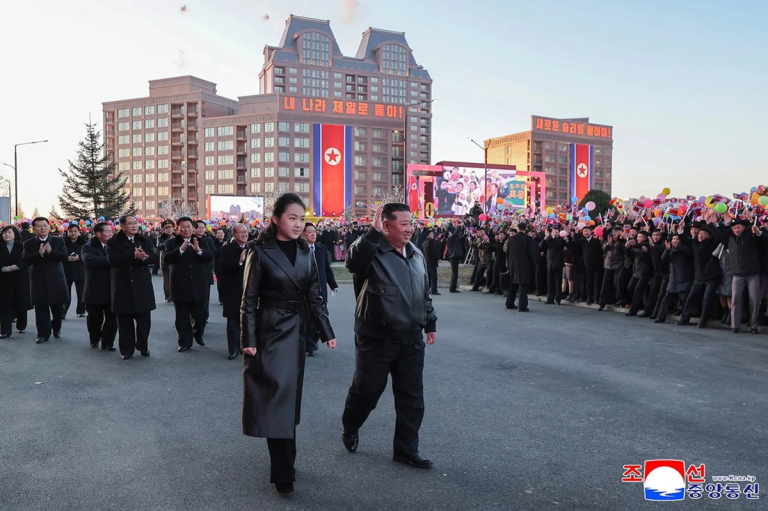
Xi Jinping and Kim Jong Un walking on a red carpet at an airfield with an honor guard and a large airplane in the background.

What Xi and Kim Really Want From Each Other

This analysis explores the strategic motivations behind Xi Jinping’s recent state visit to North Korea, examining the complex triangular relationship between Beijing, Pyongyang, and Moscow. As North Korea deepens its military ties with Russia, we discuss how China is navigating the erosion of its traditional diplomatic framework, the pursuit of regional stability, and the ongoing challenge of maintaining economic and political influence over a regime now emboldened by its own nuclear status.

Read More »
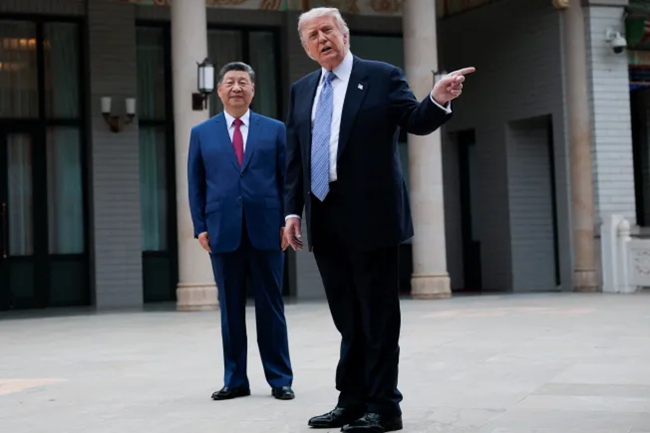
Trump and Xi Jinping shaking hands during a formal meeting.

Trump’s Taiwan Arms Freeze Is a Strategic Gift to Beijing

The Trump administration’s decision to pause a significant arms package to Taiwan marks a departure from four decades of bipartisan defense strategy. By conditioning military support on bilateral relations with Beijing, this move undermines the Six Assurances and raises critical questions about Washington’s long-term reliability among its Indo-Pacific treaty allies.

Read More »
A wide view of a G20 summit conference hall featuring flags and representatives from various nations.

The Case for a Third Economic Pole Without the US or China

This analysis examines the recent Chatham House report, Saving global economic governance from the ‘Trump shock’, which advocates for the creation of a “third economic pole” in the global financial system. As the U.S. and China increasingly weaponize economic policy and dismantle multilateral institutions, the report argues that market-oriented middle powers must move beyond ad-hoc “variable geometry” coalitions. By establishing a standing alliance between the European Union and the 12 CPTPP member states, these nations could create a stable, rules-based trade bloc large enough to maintain economic openness and resilience independently of the two competing hegemons.

Read More »
Exterior view of government buildings in New Delhi with greenery and a water fountain in the foreground.

India’s Strategic Autonomy Doesn’t Need Washington’s Approval

This analysis explores the evolving landscape of Indian foreign policy amidst shifting global alliances. We examine the limitations of Washington’s partnership rhetoric, India’s persistent reliance on “strategic autonomy” as its core organizing principle, and the potential strategic benefits of stabilizing relations with China. By moving beyond traditional bloc-based alignments, we argue that India is prioritizing national interests and long-term diplomatic leverage over reflexive adherence to U.S.-led geopolitical frameworks.

Read More »
Aerial view of industrial rare earth mining ponds in a lush, mountainous region of Myanmar.

Trump Is Trading Myanmar’s Democracy for Rare Earth Minerals

This article investigates the Trump administration’s dramatic shift in Myanmar policy, pivoting from decades of democracy promotion to a transactional pursuit of rare earth minerals. By analyzing the gutting of humanitarian programs, the entry of unconventional political lobbyists, and the logistical challenges of supply chains controlled by China-backed groups, we assess how this prioritization of strategic resources threatens long-term U.S. regional influence and democratic values.

Read More »
European Union flags flying outside the European Commission building in Brussels.

EU’s Chinese Tech Purge Is Costly, Contradictory, and Politically Driven

This analysis evaluates the European Commission’s 2026 Cybersecurity Act revisions, which aim to exclude high-risk third-country suppliers from critical networks. We explore the tension between Brussels’ pursuit of digital sovereignty and the economic realities of replacing deeply embedded Chinese technology. By questioning the shift toward origin-based blacklisting rather than universal security auditing, we assess the potential for retaliatory trade measures and long-term instability in EU-China relations.

Read More »
A composite image featuring a military figure, a port facility, and a newspaper front page highlighting US-Iran diplomacy.

Pakistan Iran Corridor Defies US Sanctions Pressure

This report explores how Pakistan has utilized its strategic position to activate overland trade routes with Iran, bypassing disruptions in the Strait of Hormuz. We analyze how Islamabad is balancing its relationship with Washington while securing domestic economic interests, asserting itself as a vital node in emerging Eurasian trade networks.

Read More »
Miniature figures standing on puzzle pieces representing the flags of China and the European Union.

Europe’s China Trade War Temptation Is a Trap of Its Own Making

This analysis explores the intensifying debate within the European Union regarding its trade policy toward China. With a 2025 trade deficit of €359.8 billion serving as a focal point, the article examines the push by a five-nation coalition—led by France and others—for more aggressive protectionist measures. By contrasting these calls for tariffs with warnings from experts like Rolf Langhammer about structural competitiveness, the report assesses whether Brussels is prioritizing genuine industrial strategy or simply reacting to competitive panic. The piece further contextualizes the EU’s internal challenges, such as high energy costs and fragmented regulation, arguing that trade barriers may fail to address the root causes of Europe’s weakening industrial position.

Read More »
A Nobel Laureate speaking about the impact of artificial intelligence on human thinking.

A Nobel Laureate Asks: Will AI Make Us Stop Thinking?

This analysis explores Nobel laureate Ryoji Noyori’s concerns regarding the impact of artificial intelligence on human cognition and scientific inquiry. By contrasting the rapid, enterprise-driven pace of AI-led breakthroughs with the slow, deliberate nature of basic research, the article examines the “intellectual passivity” risks identified by Noyori. Furthermore, it provides an overview of China’s recent 15th Five-Year Plan, contextualizing Noyori’s argument that fostering a robust, collaborative global scientific ecosystem is essential to solving humanity’s most complex, long-term challenges.

Read More »
Armored vehicles and military troops in a parade.

China’s Governance Model: Discipline Meets Long-Term Vision

This analysis explores the core tenets of China’s governance framework, examining how the synergy between disciplined institutional oversight and long-range strategic planning drives the nation’s development trajectory. We discuss the role of anti-corruption campaigns in maintaining state integrity, the adaptability of the economic model, and the underlying civilization-state logic that prioritizes collective national outcomes over short-term political cycles.

Read More »
Silhouette of a Chinese military officer in front of the official emblem of the People's Republic of China.

Xi’s Harshest Military Sentences Set the Stage for Bigger Purges

This analysis examines the escalation of Xi Jinping’s military purge, marked by unprecedented sentencing for former defense ministers. We explore how evolving political rhetoric—shifting from corruption charges to accusations of “disloyalty”—has systematically dismantled the PLA’s operational leadership. The article evaluates the resulting degradation in military readiness, the risks of intelligence-stifling feedback loops, and the broader implications for Xi’s vision of absolute institutional control.

Read More »