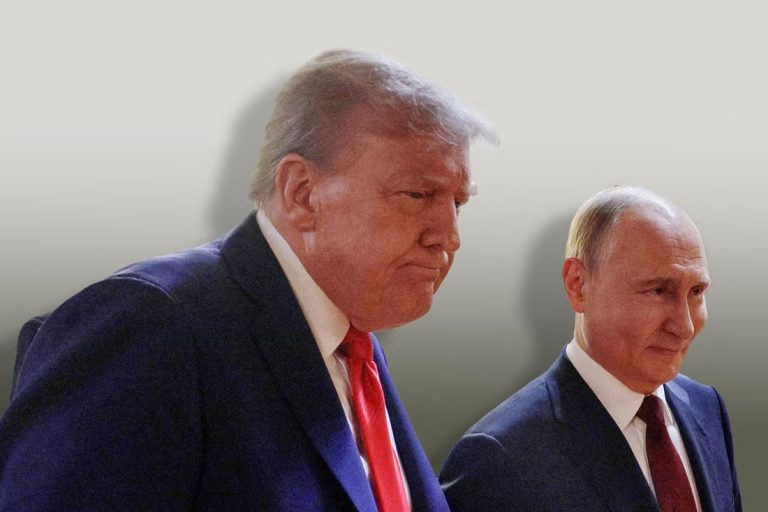
Vladimir Putin has proposed a three way summit with Donald Trump and Xi Jinping, presenting it as a possible route toward ending the war in Ukraine. The meeting could take place alongside the APEC summit in China in November, and Trump has already said he is open to attending. Yet the proposal carries an immediate diplomatic problem: Ukraine may not be included in talks that could determine its territory, security arrangements and political future. That raises doubts about whether such a summit would produce peace or simply give Moscow greater leverage.
Trump has tried to shift attention toward nuclear arms control, saying that a meeting with Putin and Xi could focus on denuclearization. That subject is significant in its own right, especially after the expiration of New START and China’s rapidly expanding nuclear arsenal. Beijing, however, has resisted American calls for trilateral nuclear negotiations, arguing that its arsenal remains far smaller than those of the United States and Russia.
Washington Has Weakened Its Own Leverage
The larger problem is the changing balance of power around Ukraine. Washington once combined negotiations with military support for Kyiv and economic pressure on Moscow. Recent Trump administration decisions have weakened both instruments.
On October 16, Trump suspended implementation of new restrictions targeting Russian energy revenues. The decision followed his agreement with Putin allowing Russian diesel to return more easily to international markets. Russian exports have since resumed to countries including Turkey and Brazil, potentially restoring revenue to an energy sector that Western sanctions were designed to constrain.
Washington’s relationship with Kyiv has deteriorated at the same time. The Associated Press reports that disagreements over sanctions, weapons and satellite support have pushed US Ukrainian relations to one of their lowest points of the war. Restrictions affecting Starshield services have also complicated Ukrainian military operations, while Trump has increased public criticism of President Volodymyr Zelenskyy.
Those decisions matter because negotiations are shaped by what each participant believes will happen if talks fail. Easing pressure on Russia while reducing support for Ukraine can weaken Washington’s ability to demand concessions from Moscow. A summit held under those conditions could therefore reward Putin for continuing the war rather than create incentives to end it.
Ukraine’s Absence Would Be the Central Risk
The most controversial element of Putin’s proposal is the possibility that Ukraine would not participate directly. Trump has said he would consider talks aimed at ending the war whether Zelenskyy attends or not. That approach would revive a longstanding European concern that great powers could negotiate security arrangements affecting smaller states without their consent.
Zelenskyy has warned that Ukraine would struggle to survive if Washington formally aligned itself with Moscow. Kyiv remains heavily dependent on Western weapons, intelligence and financial assistance even as European governments have expanded their contribution to the war effort.
China would enter any summit from a different position. Beijing maintains close economic ties with Russia while presenting itself internationally as a potential mediator. A meeting alongside Putin and Trump could strengthen Xi’s image as a central figure in global diplomacy without requiring China to abandon Moscow. It could also demonstrate that decisions once managed largely through Western alliances are increasingly being negotiated among competing great powers.
A Trump Putin Xi summit could still have value if it produces concrete agreements on nuclear risks, humanitarian issues or steps toward a ceasefire. But a durable settlement in Ukraine is difficult to imagine without Ukrainian participation and enforceable security guarantees. Negotiating over Kyiv rather than with it would risk creating an agreement that Ukraine rejects and Europe cannot confidently support.
The question is therefore not simply whether Trump should meet Putin and Xi. Major powers often need direct communication during dangerous conflicts. The real test is whether Washington enters those talks with enough leverage to shape the outcome and whether Ukraine remains a participant in decisions about its own future. Without those conditions, a summit designed to end the war could instead formalize the strategic advantages Russia has been seeking.
Original analysis inspired by Fred Kaplan from Slate. Additional research and verification conducted through multiple sources.