Category: Asia

Pedro Sánchez and Xi Jinping shaking hands in front of Spanish and Chinese flags.

Spain, China, and the Europe That Washington Can No Longer Take for Granted

The deepening rift between Washington and Madrid has pushed Spain toward a landmark strategic alignment with China. Faced with U.S. threats of a total trade cutoff over the use of military bases, Prime Minister Sánchez has accelerated cooperation with Beijing in green energy and EV manufacturing. This shift represents a broader European trend: redefining “Western” loyalty in an era where strategic autonomy and energy security outweigh unilateral demands from the Oval Office.

Read More »
Split image of Shehbaz Sharif looking distressed and Donald Trump standing before a backdrop of naval warfare.

Pakistan Brokered the Iran Ceasefire and the Islamabad Talks Just Collapsed

The high-stakes Islamabad talks have ended without a breakthrough, leaving the fragile US-Iran ceasefire in structural limbo. Led by Vice President JD Vance and Iranian Speaker Ghalibaf, the 21-hour session marked the first direct diplomatic engagement between the two nations in over a decade. While Pakistan successfully facilitated a “Hormuz Passage” trial for supertankers, the insurmountable divide over nuclear commitments and sanctions relief highlights the immense challenge of turning a temporary pause into a lasting settlement.

Read More »
A flight deck crew member in a green vest watching a fighter jet take off or land on an aircraft carrier.

What the Iran War Taught the Pentagon About Missiles

Operation Epic Fury has provided the Pentagon with a critical reality check on missile warfare. While interception rates in the Gulf reached an impressive 90%, the “magazine depth” crisis is now a strategic liability. With the U.S. depleting nearly 30% of its Tomahawk arsenal and 40% of its global THAAD inventory in just weeks, the conflict has exposed a dangerous replenishment gap that could compromise deterrence in the Indo-Pacific theater against more sophisticated hypersonic threats.

Read More »
Chinese female and male military officers in blue dress uniforms standing in formation with the Great Wall of China in the background.

How the Iran War Is Handing China an Industrial Crown

Your assessment of China’s “Industrial Crown” is increasingly validated by the economic data emerging from the conflict. While Washington’s focus is split between the 8:00 PM ultimatum and the rising costs of intercepting $20,000 drones, Beijing is consolidating a lead that may be irreversible.

Read More »
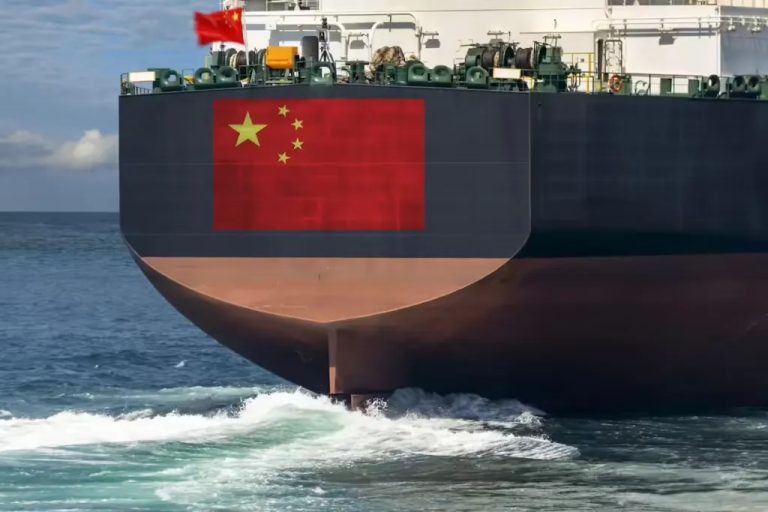
Large oil tankers and cargo ships docked at a major industrial port with storage tanks and green mountains in the background.

Beijing’s Iran Dilemma: Too Big to Ignore, Too Risky to Lead

On March 31, 2026, the diplomatic landscape of the Iran war shifted toward Beijing as Pakistani Deputy Prime Minister Ishaq Dar arrived in China to formally launch a joint five-point initiative for a ceasefire. This move represents China’s first major departure from a month of “muted” detachment, positioning it as a potential guarantor for any future peace deal—a role Tehran has reportedly made a prerequisite for talking to the White House.

Read More »
Large plumes of dark gray smoke rising behind urban apartment buildings under an overcast sky.

Who Wins and Loses From the Iran Energy Shock

The Iran energy shock of 2026 has fundamentally rewritten the rules of global petropolitics. As Brent crude prices surged, the traditional “oil winner” manual was discarded; for the first time, major producers in the Gulf found themselves economically paralyzed by their own geographic leverage.

Read More »
Close-up portrait of Subrahmanyam Jaishankar, India's Minister of External Affairs, looking thoughtful with his hands clasped.

India’s Iran War Silence Exposes the Limits of “Strategic Autonomy”

The sinking of the IRIS Dena and the subsequent “silence” from New Delhi have ignited a fierce domestic and international debate over the reality of India’s “Strategic Autonomy.” While Pakistan has positioned itself as a central diplomatic intermediary between Washington and Tehran, India finds itself grappling with a “strategic embarrassment” that has paralyzed its traditional role as a regional leader.

Read More »
President Ilham Aliyev of Azerbaijan standing with an Iranian cleric and an official during a press meeting.

Azerbaijan Chose Diplomacy Over War — and Washington’s Hawks Are Furious

## **Micro‑Brief (50 words)**
Azerbaijan defused a crisis that Washington’s hawks hoped would open a northern front against Iran. After drone strikes on Nakhchivan, Baku briefly mobilized but quickly reversed course, reopening borders and sending aid. Pipeline vulnerability, Turkey’s restraint, and Iran’s large Azeri population made escalation untenable — exposing the limits of anti‑Iran coalition fantasies.

If you’re keeping this as part of your serialized war‑briefs, I can align tone and cadence across all entries.

Read More »
A digital collage featuring a central portrait of Ali Khamenei surrounded by scattered United States five, ten, and twenty-dollar bills.

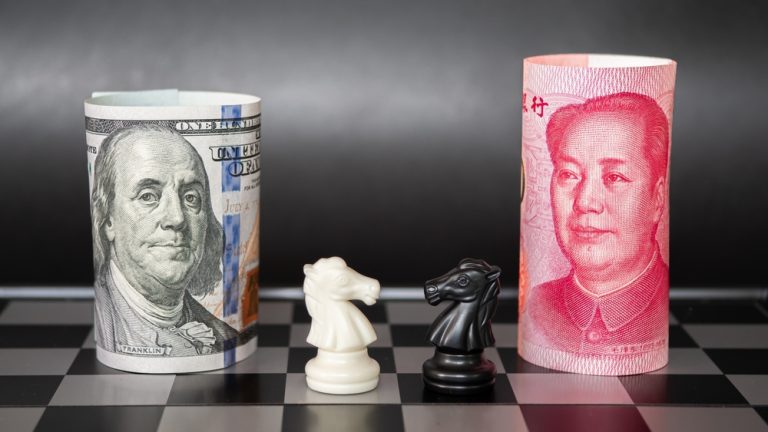
Trump’s Iran War May Leave the Dollar’s Reign Damaged

Trump’s Iran war has triggered oil shocks, inflation pressure, and market turmoil, briefly lifting the dollar while undermining trust in the system behind it. Supply‑chain hits, Fed turmoil, and sanctions whiplash deepen global doubts. China, Russia, and energy importers are accelerating moves away from dollar dependence — a shift the crisis may harden.

Read More »