As the United States marks its 250th anniversary, the traditional moment of national reflection feels overshadowed by a volatile conflict with Iran and a burgeoning domestic scandal. While the administration struggles to define a clear exit strategy for the ongoing regional war, new financial disclosures suggest a worrying entanglement between private wealth and public office. This intersection of personal business interests and geopolitical maneuvering raises serious questions about the integrity of American diplomacy across the Gulf and beyond.
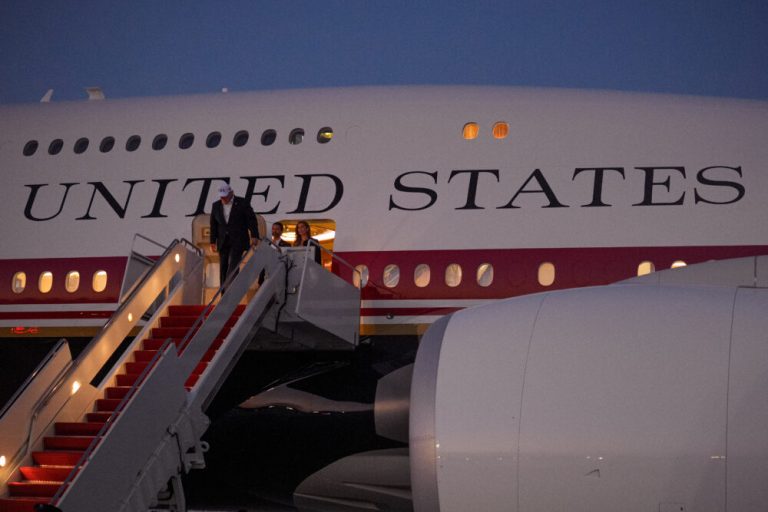
Trump reported two billion dollars in earnings during 2025, a massive increase from his pre presidency figures. A significant portion of this revenue stems from deals with Middle Eastern entities, including a massive cryptocurrency transaction involving Emirati officials. Critics argue that these interactions might contravene the Emoluments Clause of the Constitution, which prohibits officials from accepting gifts or profits from foreign states without congressional approval. The White House continues to reject these claims, but the visual of a president utilizing a luxury jet gifted by Qatar remains a potent symbol for his detractors.
The Erosion of Diplomatic Trust
The transactional nature of these relationships seems to alter how regional capitals view their ties with Washington. When policy appears linked to private equity or real estate ventures, it encourages allies to diversify their security portfolios. We see this trend in how Saudi Arabia chose to insulate its interests during recent maritime operations in the Strait of Hormuz. Instead of relying solely on American promises, partners now seek alternative arrangements that mitigate the risks of a fickle and self interested administration.
The upcoming 2026 midterm elections will likely amplify these concerns if the opposition gains control of the legislature. Lawmakers will probably initiate investigations into how individuals like Jared Kushner managed to secure billions from regional funds while acting as unofficial envoys. This perceived corruption does not just tarnish the reputation of a single leader but also weakens the long term legitimacy of the American presence in the Middle East.
Ultimately, the marriage of private business and public policy creates a precarious foundation for international relations. As the United States navigates the fallout of its current military engagements, the blurring of lines between the Oval Office and family led enterprises risks leaving the country with fewer friends and diminished moral authority. Without a clear separation of interests, the strategic goals of the nation will continue to be viewed through the lens of personal profit rather than collective security.
Original analysis inspired by Brian Katulis from Middle East Institute. Additional research and verification conducted through multiple sources.