Tag: Nuclear Negotiations

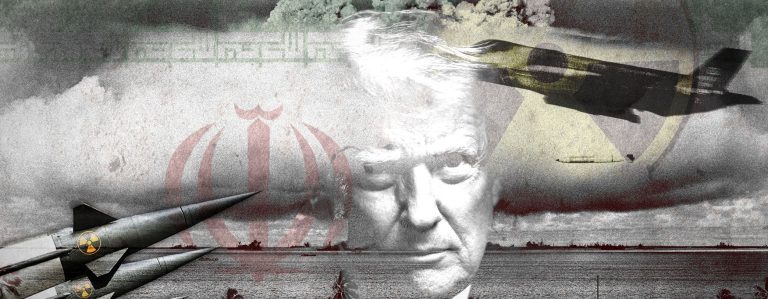
A double exposure image overlaying the Iranian flag with the White House at night.

The 1991 Trap: Why Washington Must Learn From Iraq to Survive Iran

The US-Iran ceasefire faces a historical “1991 trap,” echoing the aftermath of Operation Desert Storm where military victory failed to produce political closure. As negotiations begin in Islamabad, the fundamental gap between Iran’s 10-point plan and Washington’s “red lines” on enrichment threatens a decade of simmering conflict unless both sides move beyond containment toward genuine, conditional normalization.

Read More »
A large Iranian flag waving in an urban square with a man holding the flagpole.

Six Reasons the Iran Ceasefire Could Collapse Before It Holds

The Pakistan-brokered ceasefire is already fracturing as Israel’s “Operation Eternal Darkness” hits 100+ targets in Lebanon. Beyond the immediate violence, six fundamental “fault lines”—including clashing victory narratives, unresolved nuclear enrichment, and Iran’s intact proxy networks—suggest that the Islamabad talks may struggle to turn this 14-day pause into a lasting peace.

Read More »
A crowd of people, including women and children, waving Iranian flags during a nighttime demonstration.

The US-Iran Ceasefire: A Pause in the War, Not the End of It

A Pakistan-brokered ceasefire has pulled the Middle East back from the brink, suspending 40 days of US-Israeli strikes on Iran. While global markets reacted with relief and oil prices slid to $103, the 14-day truce remains fragile. Major hurdles persist in Islamabad negotiations, including Iran’s 10-point plan, the status of US regional bases, and the unresolved conflict in Lebanon.

Read More »
A large crowd of people in Iran waving Iranian flags and chanting during a demonstration.

Iran’s Peace Blueprint: Bold Enough to Work, or Too Late?

The publication of Mohammad Javad Zarif’s peace blueprint in Foreign Affairs on April 3, 2026, represents the most significant diplomatic opening since the start of Operation Epic Fury. While Zarif currently holds no official government title, his role as a key ally to reformist President Masoud Pezeshkian suggests this is a “cleared” trial balloon from Tehran’s remaining diplomatic corps.

Read More »
A large outdoor banner in Iran featuring various historical figures and the text "Murdered By USA" in English and Persian.

Iran and Trump Are Talking But Neither Side Wants Peace Yet

The diplomatic track of the Iran war has entered a phase of high-stakes “performance art.” While President Trump and Tehran exchange messages through a crowded field of mediators, both sides are using the appearance of negotiation to buy time for their respective military and economic leverage to peak.

Read More »
A person holding a Tehran Times newspaper featuring a headline about Iran-US talks and an image of a missile.

Bombing the Negotiating Table: How Washington Killed Its Own Diplomacy

The initiation of Operation Epic Fury on February 28, 2026, did more than just dismantle military targets—it effectively dismantled the very concept of U.S.-led nuclear diplomacy. By striking while a major breakthrough was being announced by Omani mediators, Washington has signaled that even total compliance may not be enough to avert a military “solution.”

Read More »
Donald Trump wearing a USA hat sitting at a briefing table with a military map labeled Operation Epic Fury in the background.

America May Win Every Battle in Iran and Still Lose the War

Operation Epic Fury, launched without UN or congressional approval, faces a deepening legitimacy crisis following the resignation of a top U.S. counterterrorism official. Despite tactical military gains, Washington’s reliance on a recycled 15-point peace plan and mounting economic costs suggest a desperate search for a strategic exit from a conflict Iran is winning simply by not losing.

Read More »
A clean geopolitical map of Iran and the Persian Gulf with labels for Tehran, the Strait of Hormuz, and neighboring countries.

Winning Every Battle in Iran Is Not the Same as Winning the War

Despite tactical air and naval supremacy, the U.S. faces a strategic stalemate as Iran maintains its “Hormuz card.” By effectively closing the world’s most vital energy chokepoint through asymmetric warfare, Tehran has turned a battlefield deficit into an unsustainable global economic crisis that conventional military victories cannot resolve.

Read More »
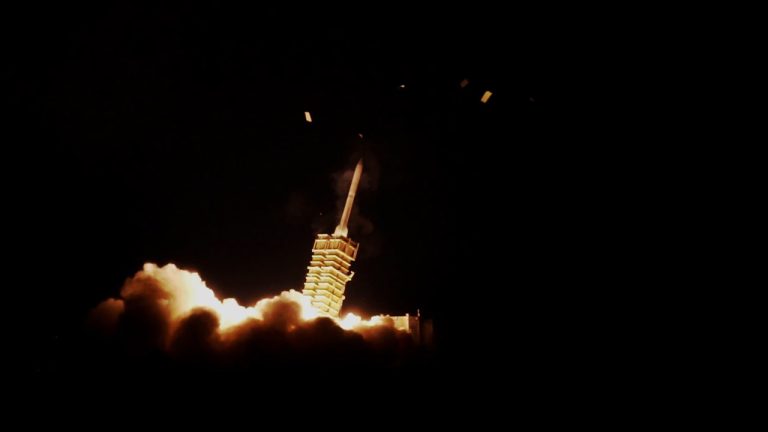
A composite image featuring two political figures from the US and Iran in front of a missile launch with smoke clouds.

Iran Doesn’t Trust the Negotiators and That’s Now a Problem

Tehran is stalling negotiations by rejecting Trump’s primary envoys and signaling a preference for JD Vance, viewed as a skeptic of Middle East intervention. This diplomatic maneuvering creates internal White House tension as the U.S. readies paratroopers and a 15-point proposal to end the conflict amid soaring energy prices.

Read More »