Tag: Nuclear Negotiations

USA and Iran flags standing side-by-side behind a row of press microphones.

Islamabad and the New Diplomacy: The Global South Steps Forward

The recent talks in Islamabad mark a structural shift in global diplomacy, signaling the rise of the Global South as a primary architect of international security. As Western mediation falters, the “Islamabad Process” demonstrates how multi-aligned regional powers are now indispensable in resolving complex conflicts and shaping a multipolar world.

Read More »
JD Vance giving a thumbs-up while standing on the stairs of an airplane against a clear blue sky.

Trump’s Military Options Are Shrinking and Iran Knows It

President Trump’s decision to impose a naval blockade on the Strait of Hormuz signals a transition to economic warfare as military options become increasingly unsustainable. Facing $2 billion in daily conflict costs and depleted missile stockpiles, Washington is struggling to maintain pressure while Iran leverages its geographic advantages and strategic patience.

Read More »
Protesters in an urban setting holding a sign that reads "War without an exit strategy is a national suicide!"

Tactical Wins Fall Short in US-Israel Campaign Against Iran

Despite significant damage to Iran’s infrastructure and leadership, the US-Israeli military campaign has struggled to achieve its broader political goals. Tehran’s survival and its strategic leverage over the Strait of Hormuz highlight the limitations of military force in securing a decisive regional realignment or regime change.

Read More »
A side-by-side comparison of diplomatic meetings featuring Shehbaz Sharif shaking hands with Iranian and US representatives.

Islamabad Talks Reveal Iran-US Negotiation Deadlock

High-stakes negotiations in Islamabad between the US and Iran have concluded without an agreement. Despite a fragile ceasefire and intense mediation, core disputes over uranium enrichment, sanctions relief, and maritime control in the Strait of Hormuz continue to block the path toward a durable regional settlement.

Read More »
Digital art of US and Iranian naval warships flanking a large oil tanker under a glowing economic trend line.

Iran Embraces Prolonged Confrontation After Failed Talks

Following the failure of direct negotiations in Islamabad, Iran has embraced a strategy of prolonged confrontation. By leveraging its control over the Strait of Hormuz and betting on global energy sensitivity, Tehran aims to outlast US political cycles, turning the maritime chokepoint into a tool of strategic endurance.

Read More »
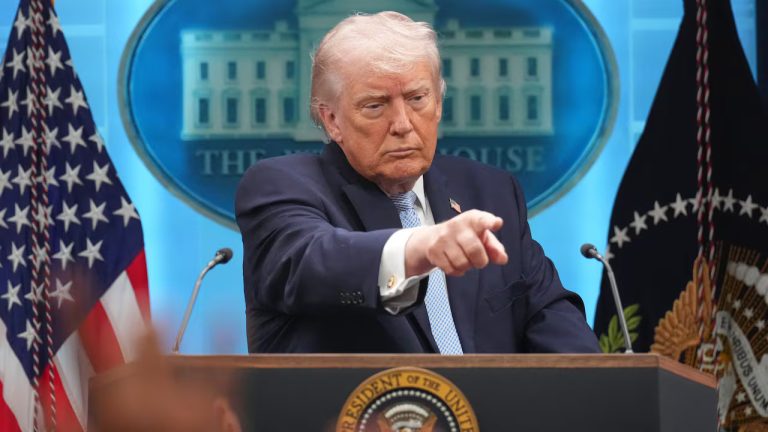
Donald Trump standing outdoors in a suit and red tie with the White House in the background.

Trump’s Path to Stabilizing US-Iran Ceasefire

As the US-Iran ceasefire holds, the Trump administration faces a critical window to stabilize global energy markets and address domestic economic pressures. By prioritizing the reopening of the Strait of Hormuz and coordinating with regional allies, Washington seeks to convert recent military leverage into a durable strategic settlement before the upcoming midterm elections.

Read More »
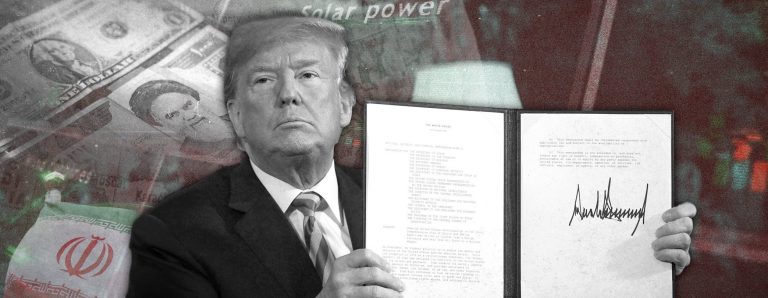
A digital collage featuring Donald Trump, the Iranian flag, and a military missile.

Trump’s Iran Moves Accelerate Shift in Global Power

The recent US-Iran conflict has exposed the limitations of unilateral military pressure in a multipolar world. While a ceasefire holds, the rise of a new regional quartet—Turkey, Pakistan, Saudi Arabia, and Egypt—alongside China’s increasing diplomatic role, suggests a significant decline in traditional American dominance over Middle Eastern security dynamics.

Read More »
Large white fuel storage tanks in the foreground with a cargo ship docked in the distance at dusk.

Sanctions Tool Faces Scrutiny Over Humanitarian Toll

A recent study reveals that unilateral sanctions contribute to over 564,000 excess deaths annually, disproportionately affecting children. Cases in Cuba and Iran demonstrate that while economic pressure aims for political shifts, it often results in severe humanitarian crises, infrastructure failure, and limited strategic success in the long term.

Read More »
Thick black smoke rising from an industrial oil facility near mountains and a highway.

Iran Ceasefire Holds as US and Tehran Eye Tough Talks

As the April 22 expiration date looms, the fragile US-Iran ceasefire faces its toughest test. Despite high-stakes negotiations in Islamabad, no “affirmative commitment” has been reached on nuclear limits or sanctions relief. With the Strait of Hormuz still effectively restricted and Israel’s intensifying ground campaign in Lebanon, the region remains trapped in a volatile limbo between a stopgap truce and the threat of a full naval blockade.

Read More »
Split image of Shehbaz Sharif looking distressed and Donald Trump standing before a backdrop of naval warfare.

Pakistan Brokered the Iran Ceasefire and the Islamabad Talks Just Collapsed

The high-stakes Islamabad talks have ended without a breakthrough, leaving the fragile US-Iran ceasefire in structural limbo. Led by Vice President JD Vance and Iranian Speaker Ghalibaf, the 21-hour session marked the first direct diplomatic engagement between the two nations in over a decade. While Pakistan successfully facilitated a “Hormuz Passage” trial for supertankers, the insurmountable divide over nuclear commitments and sanctions relief highlights the immense challenge of turning a temporary pause into a lasting settlement.

Read More »
Small table flags of the United States and Iran placed side by side on a wooden table.

The Islamabad Talks Begin But the Ceasefire Is Already Cracking

As delegations head to Islamabad, the US-Iran ceasefire is already on the verge of collapse. The fundamental “interpretive gap” between Tehran’s 10-point plan and Washington’s red lines, compounded by Israel’s refusal to include Lebanon in the truce, has turned the process into a high-stakes test of crisis management. History suggests that without structural reconciliation, this “negative peace” may only serve as a temporary reload for a wider confrontation.

Read More »
A woman in a kuffiyeh cheering in front of a large billboard featuring the Iranian flag and a portrait of a religious leader.

Operation Epic Fury’s Hidden Ledger: What America Actually Lost

Beyond the military scorecard, the 40-day war with Iran has left Washington in a structurally weaker position. With $65 billion in projected long-term costs and the dangerous depletion of high-demand munitions needed for the Pacific, the conflict failed to resolve the nuclear question while simultaneously fracturing alliances and handing Russia a massive energy windfall.

Read More »