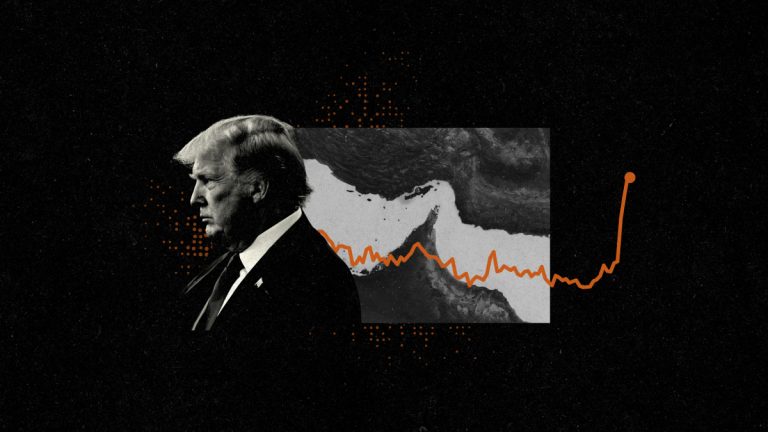
Tensions following military strikes have once again made the Strait of Hormuz a focal point of international concern. This narrow passage normally handles about one fifth of the world’s seaborne oil trade, making its effective closure since early March a serious matter for producers and consumers alike. Conflicting statements from Iranian authorities and actions by U.S. forces, including vessel seizures, have left shipping companies weighing the dangers against urgent commercial needs.
Hundreds of tankers remain stranded inside the Persian Gulf, their cargoes unable to reach international markets. When word spread in mid-April that the strait might reopen, numerous vessels made a dash for the exit. Tracking data shows most reversed direction quickly, though a small number successfully navigated the passage. This hesitation reflects ongoing risks, elevated insurance costs, and the practical challenges of operating in contested waters.
Those ships that do make it through come predominantly from a narrow group of operators. Chinese companies lead the way, consistent with Beijing pressing for protection of its energy imports from the region. Many of these transits now follow paths closer to the Iranian coastline, often after vessels share voyage details with intermediaries or pay additional fees for safe conduct.
The stakes could hardly be higher for economies clustered around the Gulf and across Asia. Exporters in the region send the majority of their output through this single route, while major buyers in East Asia count on it for the bulk of their energy supplies. Any extended interruption risks disrupting industrial activity, power generation, and growth in nations that include key U.S. security partners.
Commodity markets have felt the pressure almost immediately. Fertilizer prices have climbed alongside crude, raising input costs for farmers from India to Brazil and threatening future harvests in vulnerable regions. Natural gas prices in Europe and Asia have also surged as LNG shipments stall, adding to inflationary strains. American households and industries, shielded by plentiful domestic shale output, have seen far milder effects so far.
This disruption throws a spotlight on the world’s reliance on critical maritime passages. While the Strait of Hormuz stands out for energy, other chokepoints such as the Strait of Malacca carry even larger overall trade volumes and face their own risks. With cargo worth billions now delayed and supply chains under strain, the episode reveals how quickly regional conflicts can generate worldwide economic consequences, including potential setbacks for food security.
Nations heavily dependent on these routes may draw important lessons from the current standoff. Efforts to diversify energy sources, expand renewable capacity, and develop alternative supply lines could gain new urgency. At the same time, the events test diplomatic channels as involved parties seek ways to restore predictable trade flows without further escalation in an already volatile region.
The ongoing difficulties in the Strait of Hormuz serve as a potent illustration of interconnected global vulnerabilities. As vessel movements and price trends continue to evolve, policymakers must weigh immediate responses against longer-term needs for greater resilience in energy markets.
Original analysis inspired by Matthew P. Funaiole from Center for Strategic and International Studies. Additional research and verification conducted through multiple sources.