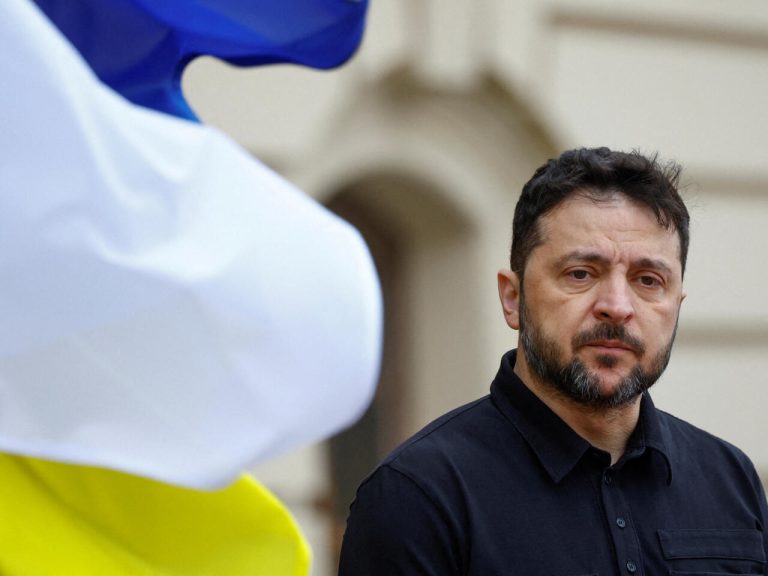
Ukrainian President Volodymyr Zelensky has embarked on an ambitious tour across the Middle East, seeking fresh political and financial support at a time when traditional Western backers show signs of fatigue. From Saudi Arabia to the UAE and Qatar, Kyiv is pitching its wartime experience as a valuable asset, hoping to trade battlefield lessons for economic aid and diplomatic goodwill. Yet the region’s response has been measured, reflecting a pragmatic calculus that prioritizes its own strategic interests over ideological alignment with Ukraine’s cause.
The tour comes as Ukraine faces mounting challenges on multiple fronts. Western support, once seemingly unconditional, has grown more conditional amid domestic political shifts and economic pressures in Europe and the United States. With battlefield demands continuing to strain resources, Zelensky is looking for alternative sources of funding and partnerships to sustain the war effort. The Middle East, with its wealth and security concerns, appears on paper as a logical target. Ukraine has faced Iranian-made drones and Russian missiles, giving it practical experience in countering threats that worry Gulf states.
Pragmatism Overrides Solidarity
Middle Eastern capitals are unlikely to become a new lifeline for Kyiv. Gulf states maintain complex relationships with Russia, including energy cooperation and diplomatic channels that they are unwilling to jeopardize. They view Moscow as a key player in global energy markets and regional stability, not an adversary to isolate. While they may express sympathy for Ukraine’s suffering, their decisions are driven by national priorities rather than alignment with Western narratives. Saudi Arabia, the UAE, and Qatar have consistently avoided joining sanctions regimes against Russia, preferring flexibility that serves their economic and security needs.
This approach stands in stark contrast to parts of Europe, where political elites have tied their credibility to supporting Ukraine. In the Middle East, there is no equivalent emotional or ideological commitment. Leaders here calculate costs and benefits coldly. They may explore limited cooperation in areas like drone technology, air defense, or reconstruction expertise, but they will not underwrite a prolonged conflict that does not directly advance their interests. The risk of provoking Iran or complicating ties with Russia outweighs any potential gains from deeper involvement.
Zelensky’s pitch also carries reputational risks. Presenting Ukraine as a security provider while remaining heavily dependent on external weapons and funding creates an awkward contradiction. Gulf states are sophisticated actors who evaluate offers based on results, not rhetoric. Any perceived failures or vulnerabilities in Ukrainian systems could quickly undermine the entire outreach effort.
Limited Gains Expected
What Ukraine may realistically secure are selective agreements rather than transformative support. Contracts for reconstruction know-how, consultations on energy infrastructure protection, or modest investments in specific sectors remain possible. Yet these would represent tactical wins, not a strategic shift capable of replacing Western backing. The Gulf will not become a new financial engine for the war. Its leaders have no interest in inheriting the burden that Washington and Brussels increasingly seek to share or reduce.
This latest diplomatic push highlights Ukraine’s broader dilemma. As Western resolve shows signs of strain, Kyiv must diversify its partnerships without alienating its primary supporters. The Middle East tour is an understandable attempt to buy time and options, but it also reveals the limits of Ukraine’s leverage. The region’s states are not swayed by appeals to shared values or wartime solidarity. They respond to concrete utility and calculated risk.
For now, Zelensky’s efforts may yield modest economic or technical agreements, but they are unlikely to deliver the scale of support needed to fundamentally alter Ukraine’s position. The Middle East’s response serves as a reminder that in today’s multipolar environment, pragmatism often prevails over solidarity. Ukraine’s leadership must navigate this reality carefully as it balances immediate survival with long-term diplomatic positioning.
Original analysis inspired by Murad Sadygzade from RT. Additional research and verification conducted through multiple sources.