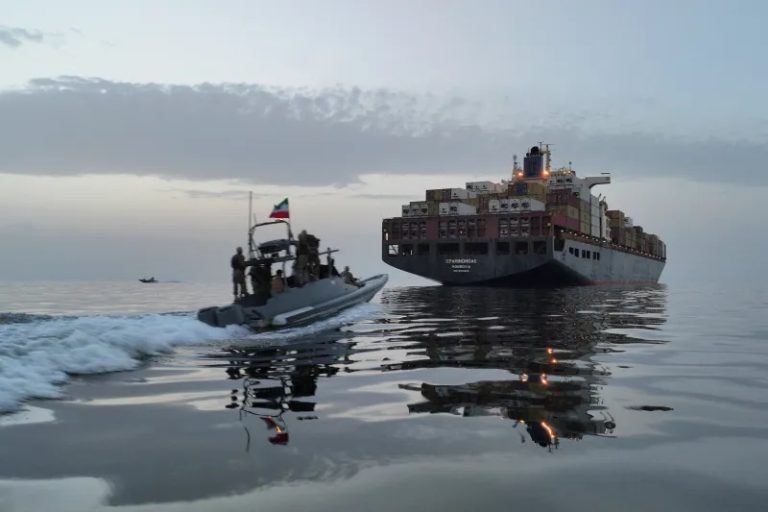
The recent clashes that shut down the Strait of Hormuz have sent shock waves through global markets, even as a shaky truce holds between Washington and Tehran. Nearly a fifth of the world’s oil and liquefied natural gas remains bottled up, driving fuel shortages from East Asia to Australia and pushing American gasoline prices above four dollars per gallon. What began as a military standoff has quickly become an economic emergency, one that exposes just how fragile our energy networks truly are.
This disruption carries echoes of past supply crises but carries greater long-term risks. When Arab producers wielded their oil embargo in 1973, the resulting pain was intense yet temporary. Prices quadrupled, lines formed at pumps, and economies staggered. Yet that leverage faded as other suppliers ramped up output and consumers adapted. Iran’s approach relies on geography and asymmetric tools like mines, drones, and missiles. Tehran has shown it can halt traffic through the world’s most vital energy chokepoint with limited resources, even against American and Israeli airstrikes. That demonstrated capability will not vanish with any ceasefire.
Short-term efforts to break the deadlock involve naval escorts, economic sanctions on Iranian oil, and quiet backchannel talks. American initiatives to escort trapped vessels have faced missile barrages, while ship owners hesitate to risk voyages amid uncertain peace. Reopening the waterway remains essential to prevent deeper damage like sustained inflation and reduced growth. Yet policymakers in Washington must look beyond this immediate fix.
Diversifying Supply Routes
Gulf nations have already begun expanding routes that avoid the strait entirely. Saudi Arabia’s East-West pipeline now operates at full capacity of seven million barrels daily, delivering crude to Red Sea terminals. The United Arab Emirates maintains its own bypass line to Fujairah on the Gulf of Oman.
These arteries handle nearly half the typical Hormuz volume, but more are needed. Bahrain, Kuwait, and especially Iraq require additional connections. New road and rail links across the peninsula could ease pressure on non-oil cargo too. The United States can play a decisive role in financing this expansion. Using institutions like the Export-Import Bank, Washington could support projects that serve mutual interests with partners in Europe, India, Japan, and even China.
Strengthening Domestic Resilience
At home, America must shore up its own defenses against sudden price spikes. The Strategic Petroleum Reserve, drawn down significantly in recent years, needs replenishing alongside new storage for refined fuels like gasoline and diesel. Coastal regions, particularly California which relies on imported crude for a significant share of its needs, remain exposed. Domestic pipeline construction and a permanent end to the restrictive Jones Act would allow smoother movement of energy between American ports.
Ultimately, the surest protection lies in lowering overall reliance on oil from volatile regions. The current administration should reconsider incentives for renewable power, electric vehicles, and efficiency improvements. An aggressive push for abundant energy of all types — conventional and clean — would cushion against future shocks while addressing climate goals. The 1970s crisis spurred innovation in conservation and reserves; today’s events could accelerate a broader transition.
Looking Ahead
This Hormuz episode signals a new era where one actor’s disruption tactics carry credible weight. By investing wisely in alternatives and infrastructure now, the United States and its partners can limit the damage from any future closures. The goal is not just to survive the next crisis but to ensure Iran loses the ability to hold global commerce hostage.
Original analysis inspired by Gregory Brew from Foreign Affairs. Additional research and verification conducted through multiple sources.