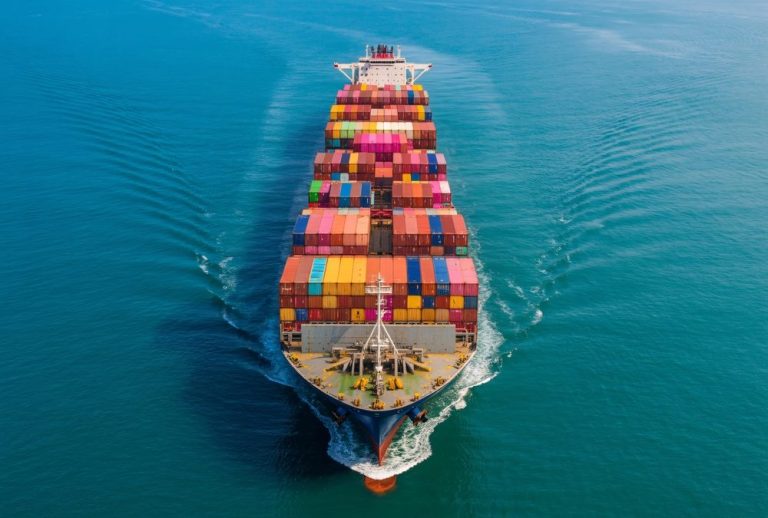
Recent US actions against a leading Chinese refinery and a cluster of tankers have brought the battle for maritime influence into sharp focus. The April 24 measures, which hit Hengli Petrochemical for its dealings in Iranian oil, were designed to create leverage before President Trump’s meeting with Xi Jinping. Yet this latest round of pressure may achieve the opposite of its intended effect by spotlighting Beijing’s deep preparation for sustained economic competition.
For years, China has methodically built capabilities that shield its critical supply lines from external disruption. This approach has moved beyond defensive posturing to establish a proactive system capable of withstanding significant stress. The result is a framework that challenges long-held assumptions about who holds the upper hand in global trade.
Infrastructure and Production Dominance
China’s shipbuilding dominance stands as the foundation. In 2025, its yards delivered 56.1 percent of worldwide output and captured 69 percent of fresh orders. These numbers reflect more than commercial prowess; they represent sovereign control over the tools that keep the vast majority of international trade afloat. With such capacity, Beijing can adapt its fleet quickly, bypassing obstacles that might cripple less prepared economies.
This production edge gains strength from a sprawling port infrastructure. Chinese companies have poured resources into facilities spanning some 90 countries, creating a web of logistics hubs that serve dual commercial and strategic purposes. Locations ranging from Greece’s Piraeus to Pakistan’s Gwadar and ports along African coasts offer options when primary routes face tension. These assets help reroute flows and maintain momentum even under duress.
Diversified Supply Lines
The CPEC corridor further bolsters this setup. Now advancing into its second phase with greater emphasis on industrial cooperation, the project provides overland alternatives to contested sea passages. Such developments address historical vulnerabilities while forging new economic ties with partner nations that value diversified connectivity.
Complementing these physical assets are updated policy tools. Beijing’s supply chain regulations, including the recent Order No. 834, establish frameworks to safeguard key sectors and respond to foreign interference. These rules allow authorities to scrutinize actions that threaten normal business, effectively creating mechanisms to protect core economic activities from politicized disruption.
Global Consequences and Diplomatic Fallout
The approach carries consequences for third parties. Many European partners and Asian economies prioritize reliable shipping above all. They view aggressive sanctions campaigns as threats to the stability they require for growth. In response, some deepen engagement with initiatives that promise consistent access to markets and resources, particularly across the Global South.
As the two presidents prepare to meet, the balance of influence appears different from what Washington might have anticipated. By controlling the means of maritime production and distribution, China has acquired a form of deterrence that financial measures alone cannot easily overcome. This reality points to a broader evolution in international relations where physical infrastructure and diversified partnerships increasingly define strength.
Original analysis inspired by Imran Khalid from Foreign Policy In Focus. Additional research and verification conducted through multiple sources.